



Fuel subsidy has become a major 2027 political issue as Ogun Governor Dapo Abiodun criticises politicians promising to restore the subsidy and defends its removal under President Bola Tinubu.
Fuel subsidy is back at the centre of Nigeria’s political debate, with Ogun State Governor Dapo Abiodun criticising politicians who are promising to restore the controversial policy and questioning the credibility of such promises ahead of the 2027 elections.
Abiodun’s comments come as the opposition debate over Nigeria’s fuel pricing policy intensifies. Former Vice-President Atiku Abubakar has repeatedly said he would restore fuel subsidy if elected president, arguing that the Tinubu administration has failed to properly account for the savings from subsidy removal.
The Ogun governor, however, has taken the opposite position, maintaining that bringing back the old subsidy system would amount to returning Nigeria to a model associated with waste, corruption and financial leakages.

Abiodun rejects return of fuel subsidy
Abiodun’s latest criticism reflects a position he has held since President Bola Tinubu announced the removal of petrol subsidy in May 2023.
The governor had previously described the subsidy as a scam and supported its removal, arguing that the policy placed a heavy burden on government finances without delivering its intended benefits to ordinary Nigerians.
His latest intervention is coming at a politically sensitive time. With the 2027 presidential election approaching, fuel prices and the cost of living are already major issues likely to influence voters.
Politicians promising cheaper petrol or a return to subsidy therefore face a straightforward political argument: consumers want relief, while governments have to explain how such relief would be financed.
Abiodun has chosen to focus on the second question.
Why fuel subsidy is becoming a 2027 election issue

The removal of subsidy changed Nigeria’s petrol market and placed fuel prices more directly under market forces. The policy also became one of the most controversial elements of Tinubu’s economic reforms.
The federal government and its supporters have argued that eliminating subsidy has reduced pressure on public finances and freed resources for other priorities. Finance Minister Taiwo Oyedele said in August 2026 that the government’s major economic reforms, including the end of fuel subsidy, helped avert a deeper economic crisis and improve public finances, although he acknowledged the hardship the reforms created for Nigerians in the short term.
That economic argument is now competing with an equally powerful political message from opposition figures.
Atiku has argued that subsidy should be restored in a different form, saying his approach would protect consumers and support domestic refining and production. Recent reports show that he has continued to defend the proposal despite criticism from members of the ruling All Progressives Congress and other political figures.
Abiodun points to the cost of subsidy
One of the governor’s strongest arguments against returning to the old system is the amount of public money that was previously committed to subsidising petrol.

In 2024, Abiodun said Nigeria could save about ₦5.4 trillion that year because of the removal of fuel subsidy. The figure was presented as an indication of how much pressure the subsidy had placed on government finances.
His argument is that the money previously used to keep petrol prices artificially low could instead support infrastructure, social programmes and other public priorities.
That position has remained central to his defence of the Tinubu administration’s decision.
But the debate is not simply about whether subsidy is expensive. It is also about whether Nigerians are receiving enough benefits from the money saved after its removal.
That is where opposition politicians have focused their criticism.
Atiku’s subsidy promise fuels political clash

Atiku’s renewed position has provided the immediate backdrop to Abiodun’s latest comments.
According to recent reports, Atiku has pledged to restore fuel subsidy if elected president in 2027. He has also accused the Tinubu administration of failing to give Nigerians a satisfactory account of the savings generated from subsidy removal.
Abiodun has attacked that position, questioning how a return to subsidy could be justified after years of criticism of the policy.
He has also pointed to the political consequences of making promises that may sound attractive to voters but could create another major financial burden for the government.
The disagreement therefore goes beyond petrol prices. It reflects two competing approaches to Nigeria’s economic management: one side arguing that government should use public funds to cushion fuel costs, and the other insisting that subsidy payments are too costly and vulnerable to abuse.
What the subsidy debate means for Nigerians
For ordinary Nigerians, the argument is ultimately about the price of petrol and the wider cost of living.
The removal of subsidy has contributed to higher fuel costs, which have affected transportation, food distribution and household expenses. The government has defended the policy as necessary for long-term economic stability, but the immediate impact has remained a major source of public frustration.
Reuters reported in August that the reforms had strengthened public finances and attracted investor support while also worsening short-term hardship for many Nigerians.
That tension explains why fuel subsidy remains politically powerful.
A promise to restore subsidy can appeal to people struggling with high living costs. At the same time, critics argue that simply returning to the old system would recreate the financial problems that made subsidy reform necessary in the first place.
For Abiodun, the answer is to resist what he sees as politically attractive promises and maintain the reform path.
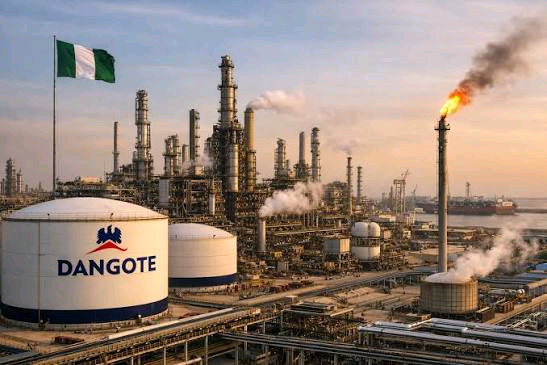
The debate is unlikely to end soon
With the 2027 election approaching, fuel subsidy is likely to remain one of Nigeria’s biggest political talking points.
Abiodun’s latest comments show that the ruling APC and its allies are prepared to challenge opposition proposals to restore subsidy, particularly when such proposals come from major presidential contenders.
The bigger question for voters will be whether political parties can explain not only what they intend to do about petrol prices, but also how they will pay for it.
For now, Abiodun’s message is clear: he believes returning to the former fuel subsidy system would be a step backwards, while opposition figures such as Atiku argue that government must find a way to make fuel more affordable for Nigerians.
As the 2027 contest takes shape, that disagreement could become one of the defining economic arguments of the campaign.