


The Nigerian Senate on Thursday ordered a sweeping crackdown on TikTok bandits using the platform to recruit fighters and coordinate attacks across the northwest.
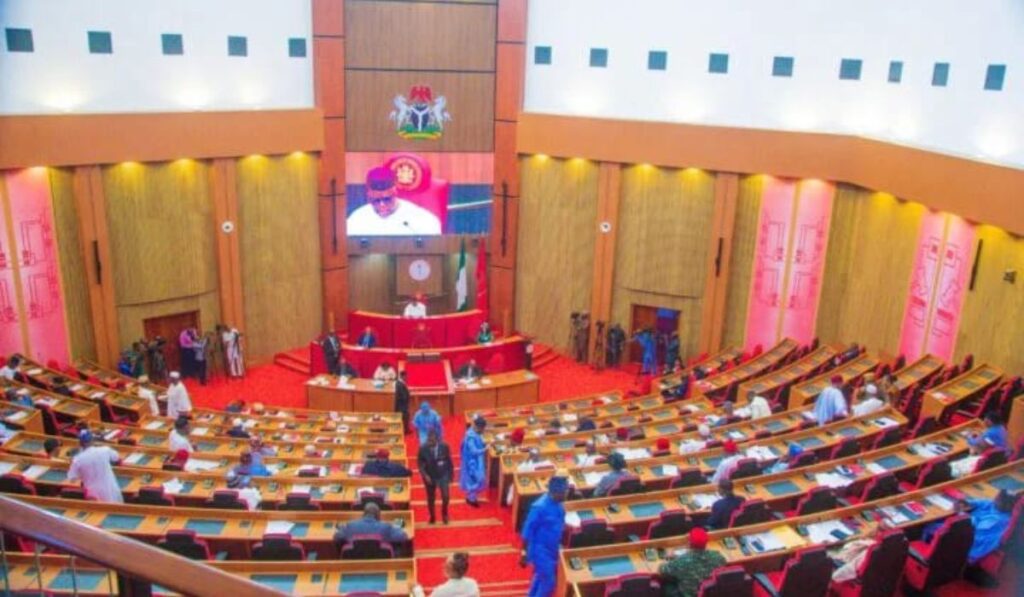
The resolution, numbered 47B and passed at 2:14 p.m. inside the red chamber at Three Arms Zone, Abuja, mandates the Department of State Services, the Nigerian Communications Commission, and the Inspector General of Police to act within 60 days or face a legislative summons. Senator Abubakar Kyari, who chairs the Senate Committee on Internal Security and chairs the motion’s sponsorship bloc of 23 senators, told reporters outside the chamber: “These criminals are livestreaming abductions, posting ransom demands, and celebrating killings. We are ordering an end to it now.”
TikTok Bandits and the Scale of the Threat
Intelligence presented to the Senate on Wednesday identified at least 14 active TikTok accounts linked to bandit factions operating in Zamfara, Sokoto, and Katsina states. The NCC confirmed the figure in a two-page brief circulated to senators at 9:40 a.m. that morning. Three of those accounts had a combined following of 280,000 users before federal agents flagged them on Tuesday.
Security analyst Fatima Idris, who advises the National Security Adviser’s office, said by phone that the social media dimension has changed the nature of the threat. “Bandits used to recruit through local emissaries. Now a teenage boy in Birnin Kebbi can watch a two-minute video and decide to join a camp by Friday,” she said. The Senate heard testimony from Zamfara State Commissioner of Police Haruna Suleiman, who told lawmakers that 9 civilians were killed in attacks the bandits publicized on TikTok between January and April 2026. Twelve more were abducted, with ransom videos shared on the same platform within hours of each kidnapping.
What Resolution 47B Requires of Security Agencies
The resolution carries four binding directives. The DSS must submit a registry of identified bandit-linked accounts to the Senate clerk by August 11. The NCC must compel TikTok’s parent company, ByteDance, to geo-block suspect accounts within Nigerian borders within 30 days. The inspector general must present an arrest-and-prosecution plan to the Senate by July 3. And the National Cybercrime Centre must deploy no fewer than 40 trained analysts to monitor northwest-linked content daily starting June 23. But the NCC did not immediately confirm whether it had contacted ByteDance.
The commission’s spokesman, Reuben Muoka, told this reporter at 4:07 p.m.: “We have received the Senate resolution and will respond through the appropriate regulatory channels.” He did not give a timeline. TikTok Nigeria’s communications office did not answer four calls placed between 3:00 p.m. and 5:30 p.m. Thursday. No one responded to an emailed request for comment sent at 3:45 p.m.
Senate’s TikTok Bandit Motion Draws Mixed Reactions
Not every senator supported the resolution without reservation. Senator Binta Musa of Kebbi Central voted in favour but entered a caveat into the record. “We must be careful that any platform shutdown does not harm ordinary citizens running small businesses or communicating with families,” she said during the floor debate at 1:50 p.m. The chamber passed the resolution 83 votes to 11. Six senators were absent.
Civil liberties group the Digital Rights Lawyers Network released a statement at 6:00 p.m. warning against overreach. The statement, signed by its director Emeka Eze, said the 60-day window was insufficient for due process and called on the Senate to hold public hearings before any platform restriction takes effect.
Background: How TikTok Became a Bandit Tool
Northwest Nigeria has suffered escalating bandit violence since 2020, with more than 10,000 people killed and hundreds of thousands displaced, according to the United Nations Office for the Coordination of Humanitarian Affairs. Bandits initially used encrypted messaging apps. Security agencies adapted. The groups later migrated to TikTok and YouTube, posting content under pseudonyms on the platforms. The federal government blocked Twitter, now called X, for seven months in 2021, citing national security.
That precedent informs the current debate. And the families of the 12 abductees whose ransom videos circulated on TikTok this year are still waiting for answers that neither the platform nor the government has provided. The Senate’s 60-day deadline expires on Monday, August 11, 2026. The crackdown on TikTok bandits will be tested long before that date.