
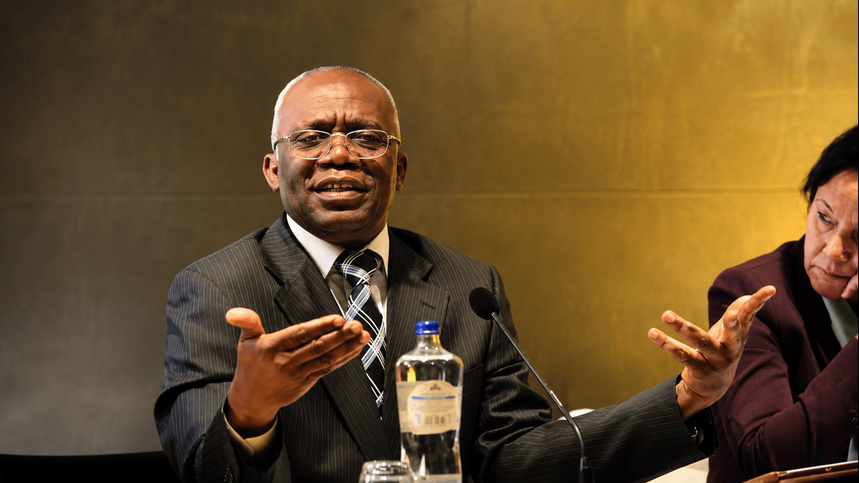
Falana questioned the benefits Nigerians have derived from the subsidy removal, raising the concerns during an appearance on Channels Television’s Sunday Politics, where he urged citizens to demand accountability from federal, state, and local governments over how increased revenues have been used.
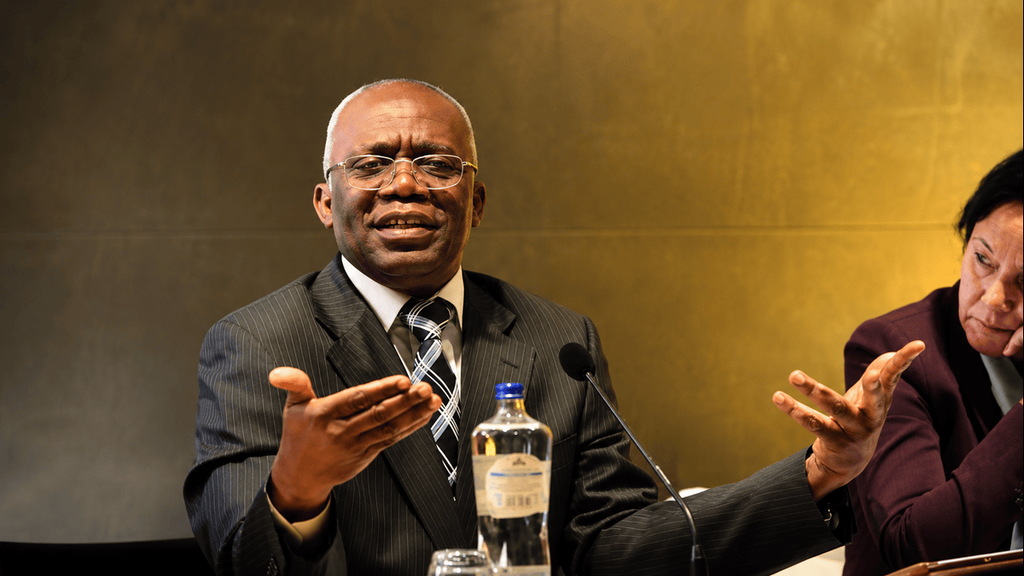
“Now, the money earmarked for fuel importation by the government, $10 billion per annum, ought to have been saved, but the bulk of this money goes to servicing debt. That’s where the problem lies,” Falana said.
The Senior Advocate of Nigeria did not stop at the debt angle. He argued, further, that naira devaluation had swallowed whatever portion of those savings survived debt servicing, leaving ordinary Nigerians with nothing to show for the pain of higher pump prices.
“The naira, the exchange rate, has been devalued. So it’s been eaten up by devaluation and other neoliberal policies of the government,” Falana said, according to the source material.

On Channels Television’s Sunday Politics, Falana also argued that no country in the world has completely abolished subsidies. “There’s no way you can remove subsidies completely; no country in the entire world has abolished subsidies completely,” he said.
He cited the United States, the United Kingdom, and France as countries that continue to subsidize electricity, agriculture, and other aspects of citizens’ lives and directly attributed Nigeria’s policy to international pressure, saying the World Bank and the IMF “insisted that the government must remove all subsidies.”
But Falana also made a point that few critics of the policy have: by the time President Tinubu made his May 29, 2023, declaration, the subsidy had technically already ended.
“At the commercial rate, by the time President Tinubu announced in May that fuel subsidy was gone, it had already gone because not a dime was earmarked for subsidy that year,” he said, according to the source material.
The SAN said Nigerians were entitled to know how the additional funds generated following the subsidy removal were being spent, especially as many citizens continue to struggle with rising living costs, questioning the justification for asking Nigerians to endure economic hardship without corresponding improvements in public services and infrastructure.
“It’s a fallacy being told to wait and wait and wait. People are dying,” he said, adding that Nigeria was generating more revenue from crude oil and that the funds previously earmarked for petrol imports should have provided significant fiscal space for investment in essential services.
Falana maintained that increased revenue being received by all three tiers of government made it necessary for citizens to demand greater transparency. “Yes, state governments are getting more money. The Nigerian government is getting more money. Local governments are getting more money on paper. It is the duty of the Nigerian people now to demand accountability,” he said.
The senior lawyer questioned why the additional revenue could not be directed toward addressing the country’s infrastructure deficit, particularly road rehabilitation, noting that state governments had previously undertaken road repairs and subsequently sought refunds from the federal government.
Falana also warned against a return to what he described as the “era of the fuel subsidy scam,” insisting that Nigerians deserved to know how the savings from subsidy removal were being spent and that transparency from all tiers of government was not optional but an obligation owed to citizens bearing the burden of higher fuel prices.
The federal government has maintained that subsidy removal was necessary to redirect resources toward development and reduce pressure on public finances. No government official responded directly to Falana’s remarks on Sunday.
Opponents of the policy have argued that the benefits have not sufficiently reached ordinary Nigerians, particularly given persistent inflation and high living costs, and the fuel subsidy question is expected to feature prominently ahead of the 2027 presidential election.