


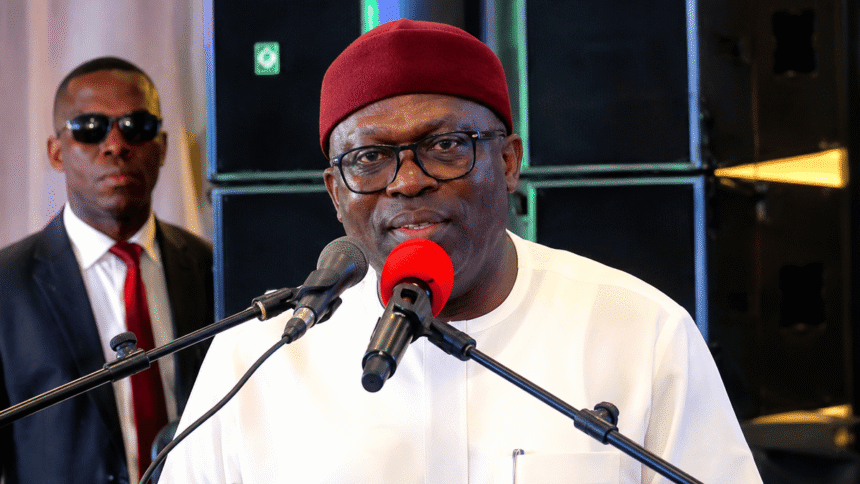
Osun Governor Ademola Adeleke secured re-election on the Accord Party ticket in August 2026, backed by 25 state assembly members who defected to his side and pledged loyalty, a development social media users are comparing to the political struggles of Rivers Governor Siminalayi Fubara.
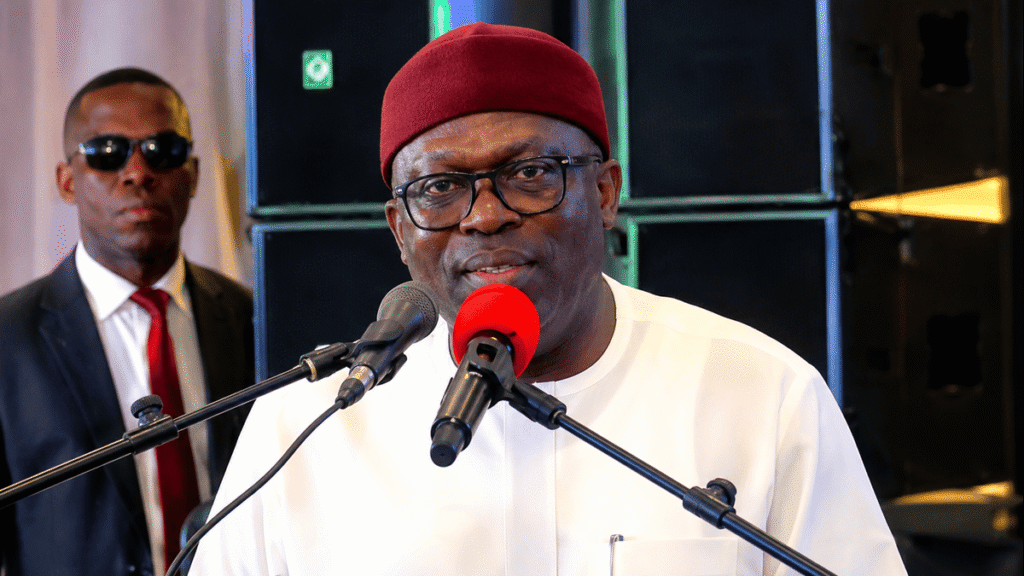
The 25 assembly members who defected to Adeleke’s side gave him unified legislative support ahead of the election, a factor social media users say helped him fend off rivals and external pressures that could have destabilized his administration before voting took place.
Fubara, by contrast, has faced sustained political battles with his predecessor, Nyesom Wike, since taking office, according to the online discussions driving the trending comparison between the two governors on Nigerian social media platforms this week.
The Rivers governor’s struggles include impeachment threats from factions within the state assembly, splits among lawmakers, and fights over the state budget, all of which social media users cite when contrasting his tenure with Adeleke’s comparatively stable legislative environment in Osun State.
Wike, who served as Rivers governor before Fubara, has remained a central figure in the disputes, with online commentators describing the relationship between the two men as a defining feature of Fubara’s time in office since he took over governance of the state.

Adeleke’s ability to consolidate the loyalty of 25 defecting assembly members stands as the central point in the online discussion, with social media users arguing that this bloc of legislative support removed a key vulnerability that Fubara has not been able to eliminate in Rivers State.
Some social media users went further, describing Fubara’s handling of the political pressures against him as weak, while others pushed back on that characterization, arguing that the two governors operated under different conditions and therefore faced challenges that cannot be directly compared.
Those who challenged the comparison pointed to specific structural differences between the two situations, including what they described as godfather ties and federal influences that shaped the political environment in Rivers State in ways that did not apply to Adeleke’s contest in Osun.
The godfather dynamic, in which a powerful political patron retains influence over a successor in office, is a recurring feature of Nigerian state politics, and social media users discussing the Fubara situation identified it as a factor that made his position more complicated than Adeleke’s going into the election cycle.

Federal influence also featured in the online discussion as a variable that affected Fubara’s position differently from Adeleke’s, with commentators noting that external pressures linked to national political actors created additional layers of difficulty for the Rivers governor that were not present in the Osun contest.
Adeleke ran and won on the Accord Party platform, securing his return to the Osun governorship with the backing of the defected lawmakers, providing the legislative foundation that his campaign and administration relied on during the period leading up to the August vote.
The defection of 25 state assembly members to Adeleke’s side before the election represented a consolidation of political strength within Osun’s legislature, giving the governor a working majority that reduced the risk of the kind of assembly-level opposition that has repeatedly disrupted Fubara’s administration in Rivers.
Fubara’s assembly difficulties have included formal threats of impeachment, disagreements over the state budget that resulted in prolonged standoffs, and a divided legislature that limited his ability to govern without negotiating around hostile legislative factions backed by Wike’s political network.
Social media users framing the comparison between the two governors characterized Adeleke’s legislative consolidation as a model for how governors can protect their administrations, while others cautioned that the circumstances in Osun and Rivers differ enough to make any direct lesson difficult to apply.
The online conversation comparing Adeleke’s Osun re-election victory with Fubara’s Rivers struggles gained traction across Nigerian social media platforms, reflecting broader public interest in how legislative support shapes the stability and survival of state governors facing political opposition.