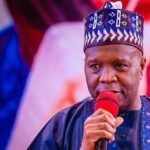
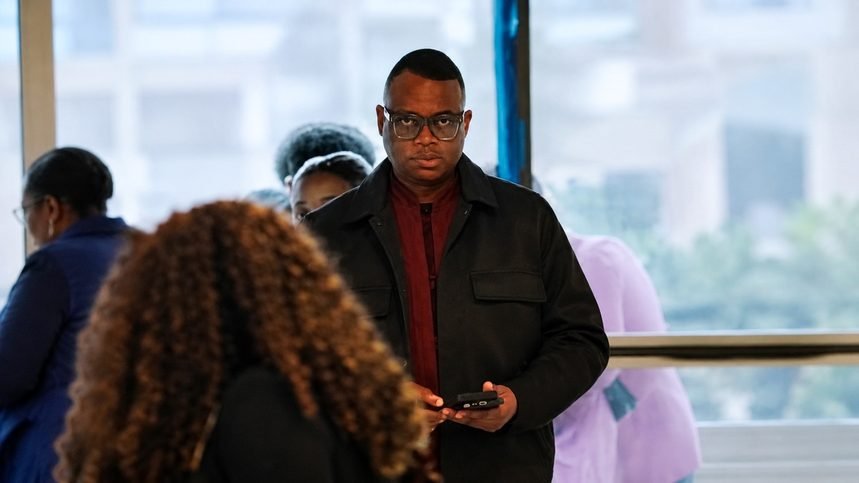
Apostle Arome Osayi, founder of the Remnant Christian Network, has declared that he will no longer discuss his supernatural encounters on social media, ending weeks of fierce public debate over his claims of visiting heaven.
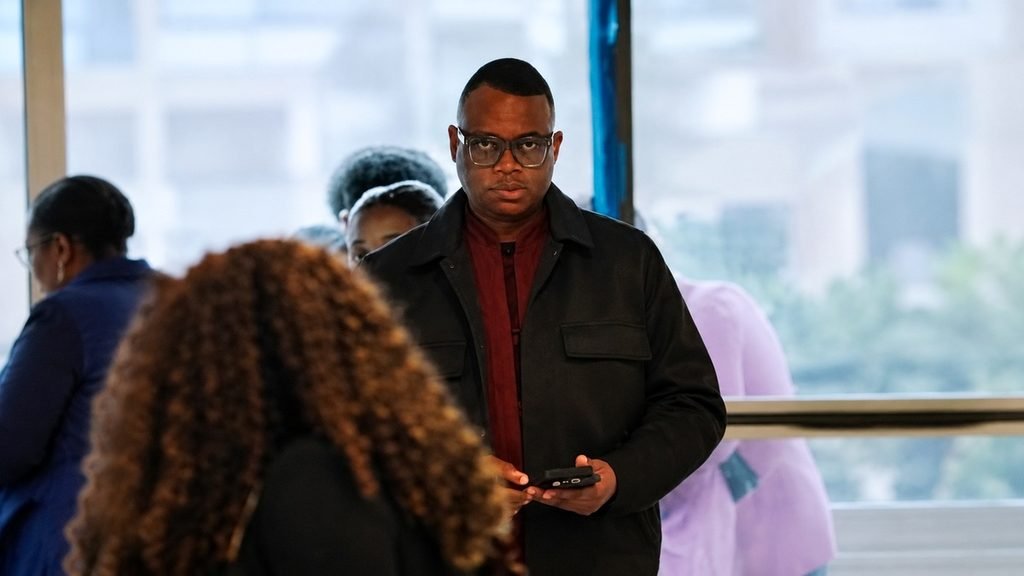
The cleric made the announcement on Wednesday, drawing a sharp reaction from Nigerians who have spent the better part of October interrogating his accounts of repeated trips to the heavenly realm. His exact words, widely circulated online, were direct: “I will no longer be discussing my encounters online.”
The statement arrives after a sustained wave of criticism from prominent voices across Nigeria’s entertainment and religious space. Veteran Nollywood actor Kanayo O. Kanayo fired the most recent salvo on Sunday, posting a video to his official Instagram page in which he questioned the preacher’s claims using core Christian theology. Kanayo drew a comparison with Jesus Christ, pointing out that Christ died before ascending into heaven, while Osayi remains alive. “Pastor Arome is still alive and telling you people that he went to heaven, and then his members are there clapping,” the actor said. He warned that the situation was “highly embarrassing to the body of Christ” and urged Nigerians and Africans to be more discerning about the spiritual voices they follow.
Suleman, Damina, and Skales Join the Pushback Against Heaven Claims
Kanayo’s intervention came a day after Apostle Johnson Suleman, senior pastor of Omega Fire Ministries, addressed a congregation in a video that went viral on Sunday. Without naming Osayi directly, Suleman expressed disbelief at preachers who claim to visit heaven repeatedly, his verdict blunt and dismissive: “You dey lie oo.”
Before both men weighed in, theologian Dr Abel Damina had already questioned the substance of Osayi’s accounts. Damina pointed to what he described as inconsistencies, including a story involving angels scanning Nigeria from heaven in which Osayi reportedly described a color as orange in one setting and green in another. “The gospel is not visions and dreams,” Damina said. Nigerian musician Skales also took aim at the preacher on October 4, expressing public disbelief after Osayi’s account of being one of 14 people summoned to a meeting with Jesus Christ circulated widely. In that account, Osayi claimed he received a scroll bearing the name of renowned Christian teacher Derek Prince, which he said conferred a global deliverance mandate on him.
The controversy around Osayi’s heaven visits is itself a secondary wave of scrutiny. The original flashpoint emerged in September when a 22-second clip in which Osayi described Nigeria as a “revival and prayer country” went viral and drew a public feud with social media activist Verydarkman, whose real name is Martins Vincent Otse. That dispute pulled older videos into circulation, including one in which Osayi claimed to have met Jesus on a beach in Tanzania and another where he said he had stopped rainfall during an outdoor event in Port Harcourt.
Osayi’s Own Accounts Fuelled the Scrutiny
Across various circulating videos, Osayi described being in heaven for eight hours, receiving divine scores of deeds printed by a machine, and, on a flight from Johannesburg to London, having a nine-hour encounter with Jesus, who reportedly wept over Nigerian church leaders. His first claimed heavenly visit, he has said, occurred when he was about 12 or 13 years old, during which he stood on a mountain and watched people walking toward hell.
Not everyone lined up against him. Pastor Kesiena Esiri publicly defended Osayi on October 8, arguing that the controversy carried no allegations of sexual misconduct or financial impropriety. Esiri framed the situation as something worthy of celebration rather than crisis. Osayi himself, speaking on his character amid the backlash, challenged anyone who believed he had engaged in immoral conduct to come forward publicly.
What Osayi’s Decision to Go Silent Means
Osayi’s declaration that he will stop sharing his encounters online effectively removes the primary raw material that has fuelled the controversy. His accounts were spread not from official broadcasts but from older sermon recordings and clips that surfaced in the heat of the VDM feud. By withdrawing from that space, the cleric signals a change in approach, though whether the existing videos stop circulating is a separate matter entirely.
The controversy has also renewed questions about accountability structures within Nigeria’s church space. With Nigeria’s fragmented denominational structure offering few mechanisms for enforcing doctrinal accountability across church lines, the debate over Osayi’s claims remained almost entirely a social media affair, fought out on Instagram, X, TikTok, and WhatsApp rather than in any formal ecclesiastical forum.
As of Tuesday, Osayi had not issued a detailed statement explaining the reasoning behind his decision beyond the announcement itself.