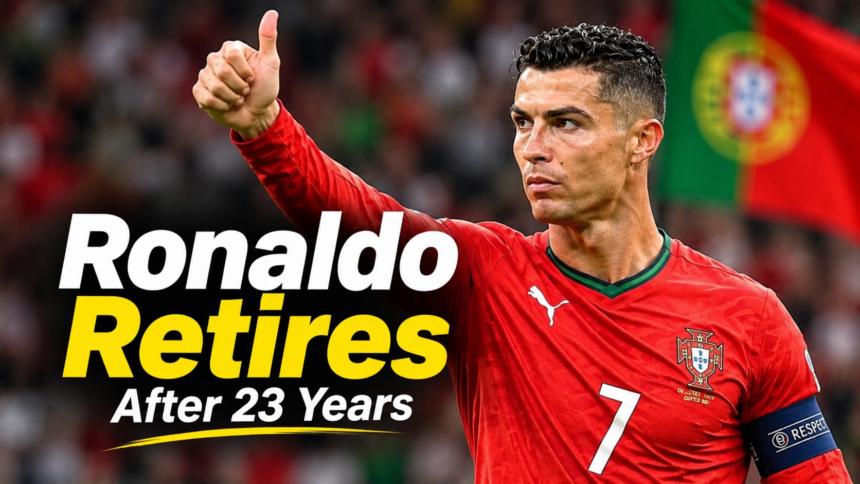
Cristiano Ronaldo retirement has officially been confirmed, bringing an end to the Portuguese football legend’s remarkable 23-year career with the national team. The 41-year-old forward announced his decision on Thursday, November 5, 2026, through an emotional video shared on his official social media account, confirming that he will hand over Portugal’s iconic No. 7 shirt after the November international break.
The announcement marks the conclusion of one of the most successful international careers in football history. Ronaldo leaves Portugal as the country’s all-time leading goalscorer and the men’s international football record holder for both appearances and goals, having scored 146 times in 234 matches.
His departure closes a significant chapter for Portuguese football, particularly for supporters who have watched him represent the country across different generations and major international competitions.
Cristiano Ronaldo Announces Portugal Retirement
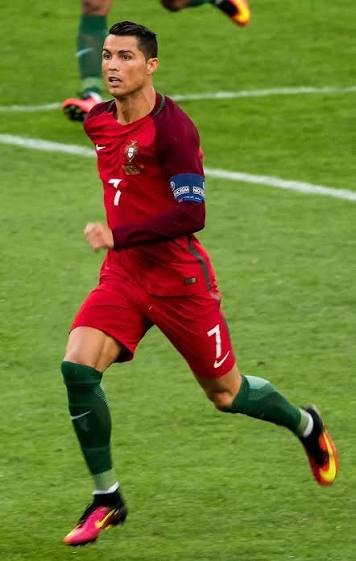
In his retirement announcement, Ronaldo reflected on the responsibility of representing Portugal and what wearing the national team’s No. 7 shirt had meant to him throughout his career.
Addressing Portuguese supporters, he said: “To the Portuguese people, the day has come for me to hand back the No. 7 shirt of our national team.”
He explained that the shirt had never belonged to him alone, despite wearing it for more than two decades.
Ronaldo added that the opportunity to represent his country had been both a privilege and a responsibility, describing his journey as one that changed his life forever.
“Today the time has come to pass it on to the future,” he said.
The five-time Ballon d’Or winner also acknowledged that making the decision was difficult because it involved more than simply considering his footballing future.
“It was not an easy decision, because some decisions are not made with the mind alone – they are also made with the heart,” he explained.
His message brought a personal touch to an announcement that had been anticipated following the end of Portugal’s 2026 World Cup campaign.
Cristiano Ronaldo’s Portugal Career and Records
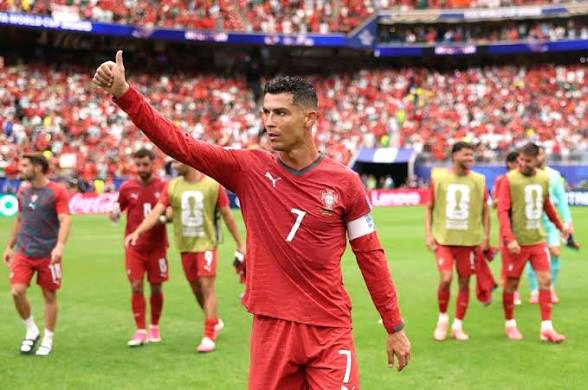
Ronaldo’s international journey began on August 20, 2003, when he made his senior debut for Portugal against Kazakhstan.
At just 18 years old, he entered the match as a substitute for Luis Figo, beginning a journey that would eventually establish him as one of the most influential players in the country’s football history.
Over the following 23 years, he became the face of Portuguese football, captaining the national team through numerous European Championships, World Cups and Nations League campaigns.
His final international statistics underline the scale of his contribution. According to FIFA, Ronaldo finished with 234 appearances and 146 goals, both men’s international records.
He also became the first male footballer to score at six different FIFA World Cup tournaments, achieving the milestone at the 2026 competition.
His World Cup record stands at 11 goals across six appearances at the tournament, having represented Portugal in 2006, 2010, 2014, 2018, 2022 and 2026.
These achievements place him among the most decorated and statistically significant players ever to represent a national team.
Euro 2016 Remains a Defining Moment
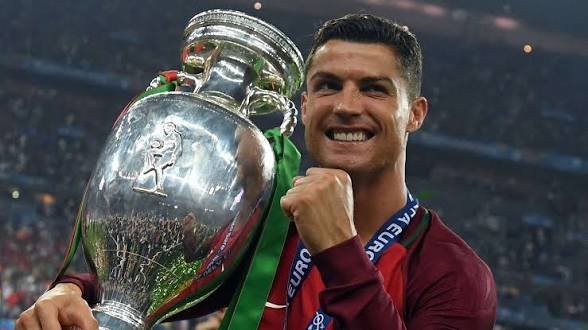
Among Ronaldo’s greatest achievements with Portugal, winning the 2016 European Championship remains particularly significant.
Portugal entered the tournament in France without having previously won a major international trophy. Despite facing difficult moments throughout the competition, the team reached the final against hosts France.
Ronaldo was forced off with an injury during the first half, leaving his teammates to complete the contest without their captain on the pitch.
Portugal eventually secured a historic 1-0 victory after extra time, with Éder scoring the decisive goal.
Ronaldo’s emotional involvement from the sidelines became one of the defining images of the tournament, as Portugal celebrated its first European Championship title.
He later added two UEFA Nations League trophies to his international achievements, helping Portugal win the competition in 2019 and 2025.
These three major honours represent the most important collective successes of his international career.
What Happens to Cristiano Ronaldo After Portugal Retirement?
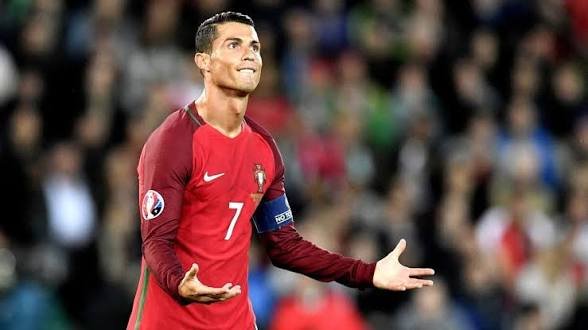
Although Ronaldo is ending his international career, his announcement does not mean he is retiring from professional football altogether.
The Portuguese forward is expected to continue playing for Saudi Arabian club Al Nassr, where he has remained a central figure since joining the team in December 2022.
His decision means he will no longer be available for future Portugal international fixtures, allowing the national team to move towards a new generation of players without its long-serving captain.
Portugal will also have to identify new leadership following the departure of a player who has carried the captain’s armband for much of his international career.
At 41, Ronaldo leaves behind a record that will be difficult for future generations to match, particularly his 146 international goals and six World Cup appearances.
A Final Goodbye to Portugal’s No. 7
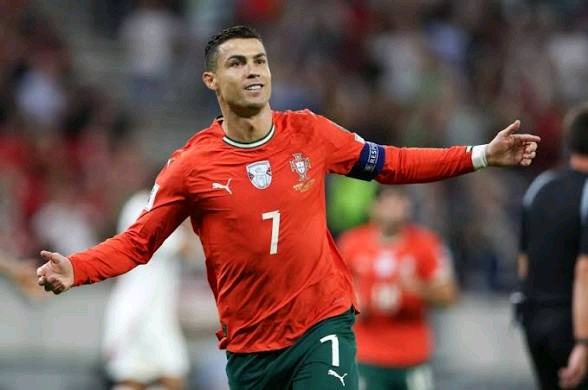
Ronaldo’s retirement is more than the departure of a prolific goalscorer. It marks the end of an era for a national team whose modern football identity has been closely associated with his name.
From his teenage debut in 2003 to lifting the European Championship trophy in 2016 and competing at his sixth World Cup in 2026, his journey has covered more than two decades of international football.
In his closing message, Ronaldo expressed gratitude to everyone who supported him throughout the journey, including his teammates, coaches, family and Portuguese supporters.
He ended with a message that captured his lasting connection to the country:
“Thank you for these 23 years. Thank you for having believed in me. Portugal will always be in me. Forever.”
For Portuguese football, the No. 7 shirt will eventually belong to another player. However, the records, trophies and memories associated with Ronaldo’s time in the national team will remain a defining part of the country’s sporting history.