
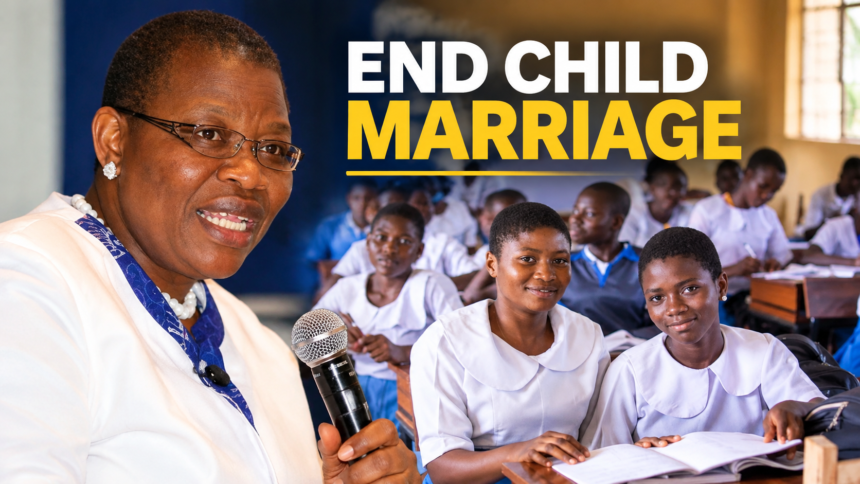
Oby Ezekwesili has urged governments to enforce 18 as the minimum marriage age, warning that child marriage threatens girls’ education, rights and future economic opportunities. The former Nigerian education minister made the call on Sunday, October 11, 2026, while marking the International Day of the Girl Child, urging African leaders to strengthen legal protections and ensure that girls can remain in school.
Ezekwesili, founder of Human Capital Africa, said ending child marriage requires more than public awareness campaigns. Governments must enforce existing laws, improve access to education and work with traditional and religious leaders to protect girls from being married before adulthood.
Her appeal places renewed attention on Nigeria’s child marriage challenge, where millions of women and girls have experienced marriage before their 18th birthday.
Oby Ezekwesili Calls for Strict Enforcement of the 18-Year Marriage Ag,e
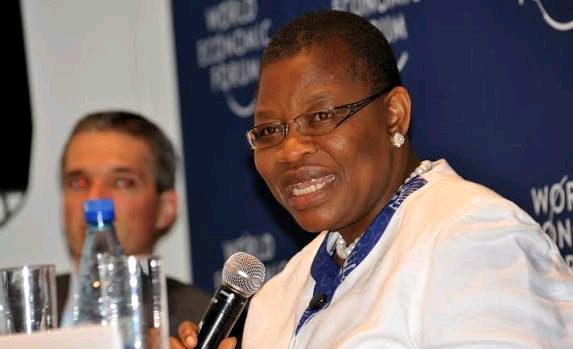
In her statement marking the International Day of the Girl Child, Ezekwesili called on governments across Africa to establish and enforce 18 as the minimum legal age of marriage in every state and community.
She stressed that legal protections must be effective in practice, rather than existing only on paper.
“Enforce 18 as the minimum age of marriage in law and in practice, in every state and every community, with traditional and religious leaders as partners,” she said.
The statement reflects her argument that ending child marriage requires cooperation between governments, communities, families and institutions that influence decisions affecting girls.
Ezekwesili also called for stronger investment in girls’ education, particularly foundational learning and access to secondary school. She argued that girls who struggle to acquire basic literacy and numeracy skills face a greater risk of leaving school, making education a critical part of efforts to prevent early marriage.
Her position is that protecting girls’ childhoods must begin in the classroom and continue through the years when they are most vulnerable to dropping out of school.
Nigeria’s Child Marriage Figures Raise Concern
Nigeria remains one of the countries facing a substantial child marriage burden.
UNICEF has reported that the country has more than 23 million women and girls who were married as children, making it home to Africa’s largest population of child brides. The organisation has also highlighted the links between child marriage, poverty, limited educational opportunities and vulnerability among girls in rural communities.
In her October 11 statement, Ezekwesili cited figures indicating that 23.6 million women and girls in Nigeria were married before turning 18.
She also pointed to the situation in Jigawa State, where she said 78 per cent of women aged 20 to 49 were first married before 18, while 63 per cent of women left school to marry.
The figures underline the relationship between early marriage and interrupted education. When girls leave school to marry, they can lose opportunities to complete their education, develop professional skills and pursue careers that could improve their economic independence.
However, child marriage is not driven by one factor alone. Poverty, insecurity, social expectations and limited access to education can all contribute to the problem. Addressing it therefore requires measures that protect girls while also helping families and communities overcome the conditions that leave children vulnerable.
Child Rights Act and the Challenge of Enforcement
Nigeria enacted the Child Rights Act in 2003, establishing a legal framework for protecting children from harmful practices, including child marriage.
However, the application of child protection laws has faced challenges because state-level adoption and implementation have not always been consistent.
UNICEF reported in November 2021 that 29 states had domesticated the Child Rights Act at that time, leaving eight states yet to do so. That figure is historical and should not be treated as a current state-by-state count without updated verification.
The wider challenge is that passing legislation does not automatically eliminate a practice. Authorities must ensure that laws are implemented, child protection agencies can respond to violations and families understand the legal consequences of arranging marriages involving children.
Ezekwesili’s call for enforcement in every state and community highlights the gap that can exist between legal commitments and the experiences of girls.
Traditional and religious leaders also have an important role to play because marriage decisions are often shaped by family expectations and community norms. Their involvement, alongside consistent government enforcement, can help reinforce the principle that girls should be protected from marriage before the age of 18.
Ezekwesili Links Girls’ Education to Ending Child Marriage
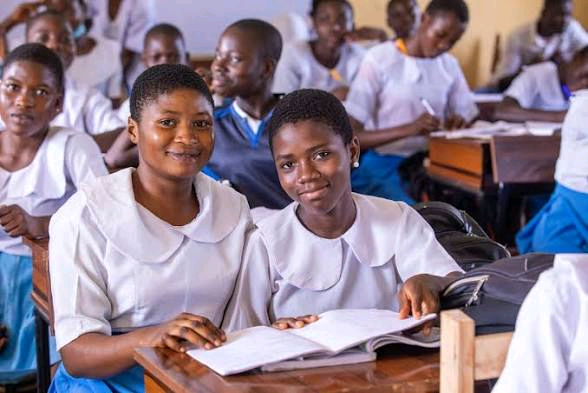
Education is central to Ezekwesili’s proposal.
In her statement, she argued that girls must receive strong foundational education and have a realistic opportunity to progress into secondary school. She called on governments to address the financial and practical barriers that prevent girls from remaining in education, including school-related costs and transport expenses.
Her message was direct: a girl’s education should not be interrupted by pressure to marry.
Ezekwesili expressed the point in a memorable line: “A girl who learns is a girl who is not a bride.”
The statement connects education with protection, independence and long-term development. Girls who remain in school have more opportunities to build skills, make informed decisions about their futures and participate in economic life.
Keeping girls in school, however, requires more than enrolment figures. Schools must provide meaningful learning, families need support where costs are a barrier, and authorities must monitor whether girls are completing their education rather than dropping out before reaching secondary school.
Ezekwesili therefore called for governments to track girls’ learning, transitions into secondary education and child marriage rates as part of their national accountability systems.
Child Marriage Carries Economic Consequences
Ezekwesili also warned that child marriage affects more than the individual girls involved. It can have lasting consequences for families, communities and national economies.
Her statement referenced a report titled Accelerating Efforts to End Child Marriage, associated with Columbia University, which includes analysis by the Center for Global Development.
According to the figures she cited, the analysis estimates that child marriage could result in losses of up to $175 billion annually, or almost $2.5 trillion by 2040, through reduced productivity and increased health risks.
These are estimates cited in connection with the report, rather than confirmed losses already recorded across African economies.
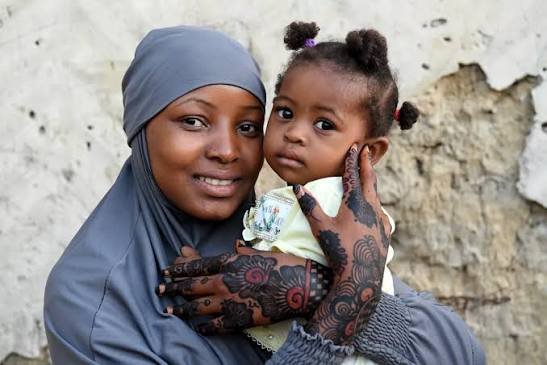
The economic argument reinforces the importance of prevention. When girls are unable to complete their education or develop their skills, countries risk losing potential contributions to their workforces and wider development.
Ezekwesili also warned that declining foreign aid, weakening international commitments to women’s rights and rising conflict could slow progress. She urged African governments and philanthropists to increase domestic funding for programmes that protect girls and support their education.
What Governments Need to Do Next
Beyond enforcing the minimum marriage age, Ezekwesili called for governments to make foundational learning a priority, remove barriers to secondary education and ensure that progress is measured publicly.
She also connected the issue to the African Union’s Decade of Accelerated Action for the Transformation of Education and Skills Development in Africa, covering 2025 to 2034.
As a member of the initiative’s steering committee representing civil society, she said she would push for girls’ learning and school retention to remain central to measuring its success.
Her position is that educational reform cannot be considered successful if girls continue to leave school and enter marriage before adulthood.
The challenge for governments is to turn these commitments into practical measures: consistent enforcement of child protection laws, accessible education, adequate funding and accountability for results.
International Day of the Girl Child Renews the Call for Action
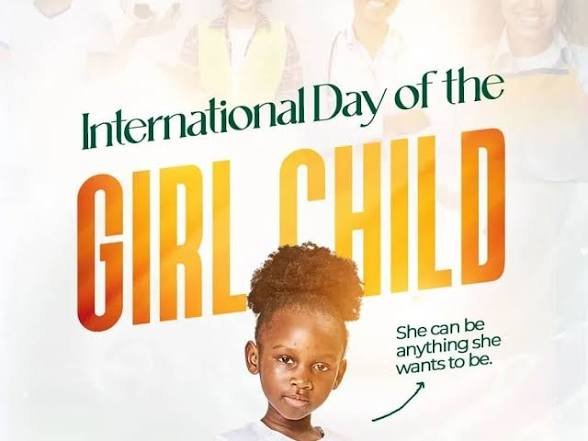
The International Day of the Girl Child, observed annually on October 11, provides an opportunity to examine the barriers girls face and renew commitments to protecting their rights.
Ezekwesili’s appeal this year places particular emphasis on the relationship between education and child marriage. Her argument is that protecting girls requires coordinated action from government institutions, schools, families and community leaders.
For Nigeria, the scale of the problem makes implementation especially important. Millions of women and girls have already experienced marriage during childhood, while gaps in education and protection continue to leave others vulnerable.
Her central message is that governments must move beyond promises and ensure that the minimum age of marriage is enforced in practice.
The outcome will depend on whether authorities can translate legal protections into real opportunities for girls to remain in school, complete their education and decide their futures when they reach adulthood.