Omotola’s daughpter, Princess Ekeinde, has opened up about the pressure of being a nepo baby, revealing how constant comparisons with her famous mother, Nollywood actress Omotola Jalade-Ekeinde, have become frustrating.
Speaking on The Chat show, Princess acknowledged the privileges that come with growing up in a wealthy and famous family but insisted that celebrity children also face challenges that are often overlooked.
The media personality explained that being the first child and first daughter in her family comes with expectations to protect her family’s reputation while establishing an identity of her own. She also questioned why people assume she wants to become an actress simply because her mother built a successful career in the film industry.
Princess Ekeinde Speaks on Being a Nepo Baby

Princess addressed the experiences of children born into influential families, commonly described as nepo babies, while acknowledging that their backgrounds can give them advantages that others may not enjoy.
However, she argued that financial privilege does not automatically eliminate personal struggles, particularly when public expectations begin to shape how people see and treat them.
“Us, Nepo babies. Yes, it is good that we were born with a silver spoon; trust me, we have our struggles. People don’t actually see the struggles we face, but we have our own struggles,” she said.
For Princess, one of those challenges is the responsibility she feels to uphold her family’s legacy.
As the firstborn and first daughter, she explained that she feels expected to represent her family positively, with her decisions potentially attracting attention beyond her personal life.
“For me, it’s trying to keep my family legacy. You know, as the first child, the firstborn, and the first girl, the mantle is on me to represent my family and position myself and my family in the best light,” she added.
Her comments highlight the tension between enjoying the opportunities that come with a famous family and dealing with the expectations attached to that privilege.
‘I Am Not Omotola, I Am Princess’
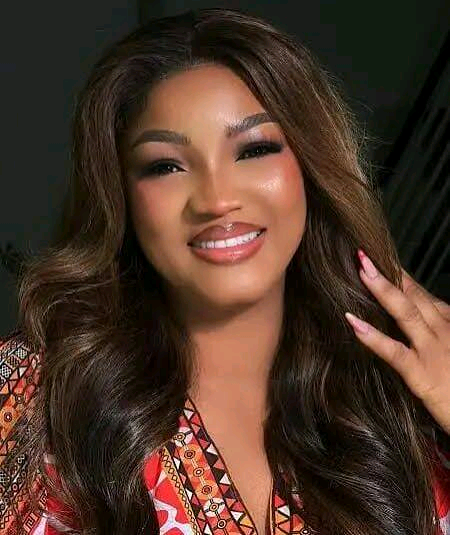

One of Princess’s biggest frustrations is the tendency to measure her against her mother in terms of beauty, status and talent.
According to her, people regularly ask whether she intends to follow Omotola into acting, seemingly assuming that her mother’s career should determine her own professional direction.
She made her position clear, insisting that being related to a successful actress does not mean she must pursue the same path.
“People are always comparing me to my mum, whether it is status, beauty, or talent. People ask me if I am going to be an actress like my mother. And it’s so annoying; first of all, I am not Omotola; I am Princess. Let’s get this straight,” she said.
Princess further pointed out that her mother entered the entertainment industry because of her passion for acting, questioning why the same career choice should automatically be expected of her.
“Secondly, my mummy went into acting because that’s what she is passionate about. How are you sure that’s what I want to do with my life?” she asked.
Her remarks underline her desire to be recognised as an individual rather than viewed primarily through her mother’s achievements.
Although Omotola’s success has made her family familiar to many Nigerians, Princess’s comments suggest that she wants the freedom to determine what success means to her without having to reproduce her mother’s career.
Princess Ekeinde Says Fame Can Limit Personal Freedom
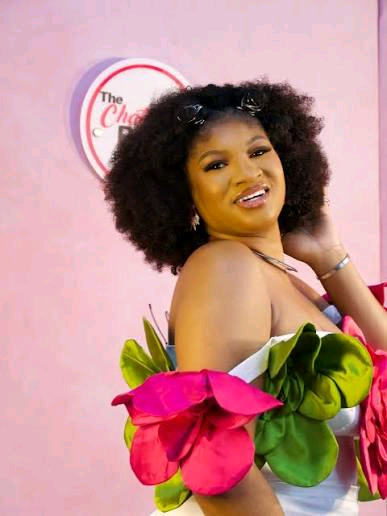
Beyond career expectations, Princess described the pressure that comes with having personal decisions scrutinised because of her family background.
She explained that public attention can make celebrity children feel as though people have a say in their private lives, including their appearance, relationships and everyday choices.
“At some point, your life no longer becomes your own. You share so much of your life with these people, and you feel like they own you. They own what you do, what you say, how you dress, the people you date. It’s ridiculous; there is a lot of pressure,” she said.
Her concern extends beyond the comments people make about her career. She suggested that growing up in a prominent family can create an expectation that personal decisions must always meet public approval.
For someone trying to establish an independent identity, such scrutiny can make ordinary choices feel like public statements about the entire family.
Princess’s comments also raise a wider question about the boundaries between public interest and personal privacy, particularly for the children of celebrities who attract attention even when they are not pursuing the same level of fame as their parents.
Why Celebrity Children Face Pressure to Protect Family Names
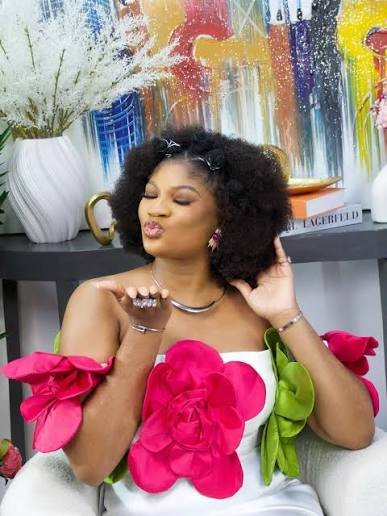
Princess also spoke about what happens when children from prominent families make mistakes, arguing that public criticism often extends to their parents.
She said Nigerian society can be quick to identify people through their family connections rather than treating them as individuals responsible for their own decisions.
“If you make a mistake in Nigerian culture, they would not call your name, but your parents’ name,” she explained.
Using familiar examples, she described how people may refer to someone as “Omotola’s daughter” or “Otedola’s son” instead of acknowledging the individual by name.
She argued that this association creates additional pressure to avoid bringing negative attention to the family.
“That stigma of trying to make sure you aren’t putting your family in a negative light. That pressure,” she added.
Her observation reflects a central concern running through her comments: the difficulty of separating personal identity from a famous family name.
While the public may see the advantages of growing up in a well-known household, Princess wants people to recognise that the same visibility can bring expectations that follow celebrity children into their personal and professional lives.
Princess Wants the Freedom to Choose Her Own Path

Princess’s remarks do not dismiss the advantages associated with her background. Instead, she acknowledged those privileges while asking for greater understanding of the pressures that accompany them.
Her main argument is that having a famous parent should not automatically determine a person’s career, relationships or identity.
For Princess, being Omotola Jalade-Ekeinde’s daughter is part of her story, but it should not become the only way people see her.
As conversations about celebrity families and inherited privilege continue, her comments offer a personal perspective on the balance between opportunity, public expectations and individual independence.
Ultimately, Princess wants the freedom to make her own decisions and build a life that reflects her interests, rather than having to live up to assumptions based on her mother’s achievements.