


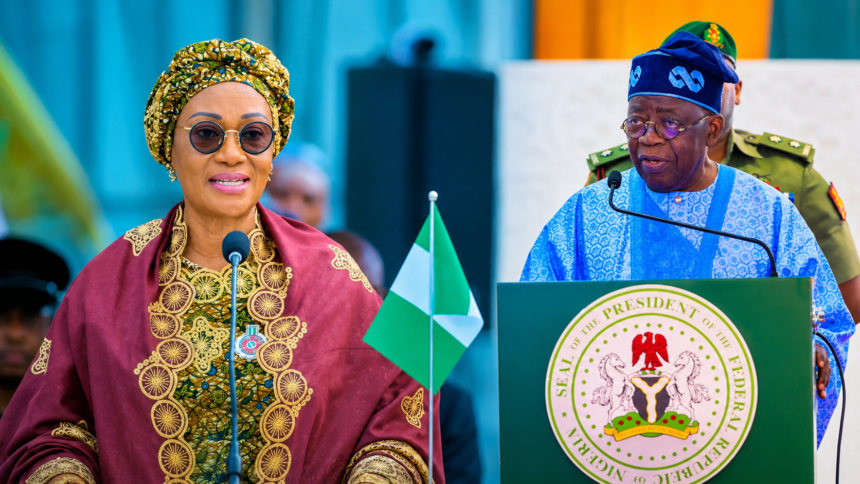
President Bola Ahmed Tinubu turned a formal media night in Abuja into a viral moment when he affectionately nicknamed First Lady Senator Oluremi Tinubu “Iya Alakara” during the inaugural Presidential Press Corps Dinner.
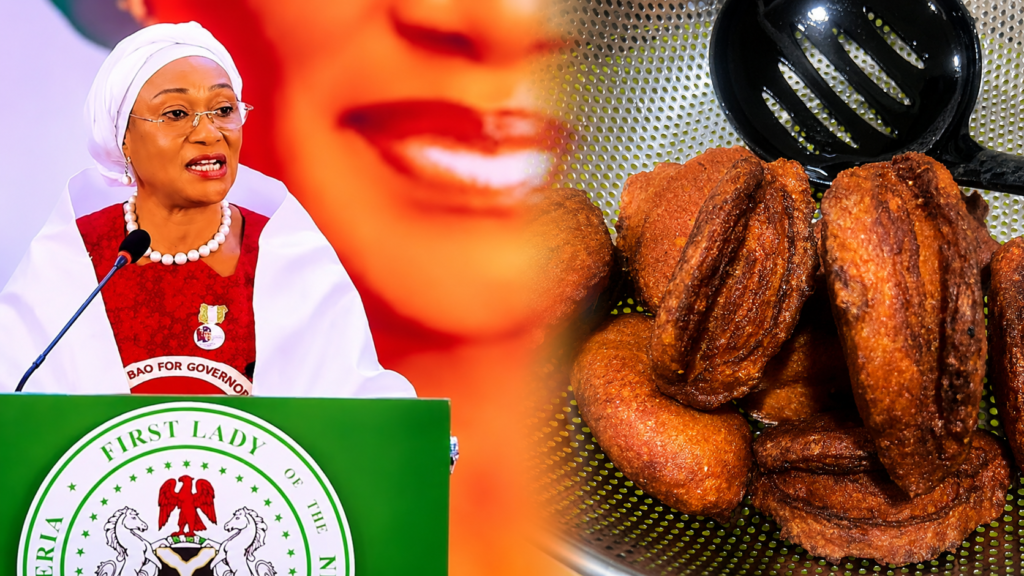
The Yoruba phrase, meaning “Mother of Akara” or “Bean Cake Seller,” referenced the First Lady’s earlier remarks urging women to consider small-scale food ventures like akara amid Nigeria’s economic pressures.
What started as a lighthearted quip quickly split public opinion between those who saw humor and cultural familiarity, and those who called it tone-deaf in a season of high food inflation and insecurity.
A Historic Night for the Villa Press Corps
The State House Press Corps hosted its first Annual Dinner, “The Presidential Press Corps Annual Dinner,” on Friday, June 19, 2026, at the State House Conference Centre, Presidential Villa, Abuja. The event was designed to celebrate excellence in presidential reporting and create a relaxed space for the President to interact one-on-one with journalists who cover the Villa daily.
A key highlight was President Tinubu’s formal decoration as Grand Patron of the State House Press Corps. Vice President Kashim Shettima, First Lady Oluremi Tinubu, Senate President Godswill Akpabio, Speaker Tajudeen Abbas, and several governors were among dignitaries expected.
At the dinner, Tinubu affectionately referred to the First Lady as “Iya Alakara,” a nod to her recent advice that women could sell affordable snacks like fried bean cakes as a response to economic challenges. The nickname drew immediate laughter in the hall, but it also revived a controversy that had been simmering online.

Earlier in 2026, Senator Oluremi Tinubu had encouraged Nigerian women to “start small” with businesses they feel led to do, noting, “Never feel that I don’t have money to do business. Just go and do what you feel. Start small, and you will be amazed”. While framed as empowerment, critics argued the message overlooked the reality of high food inflation, rising insecurity, and the cost of basic ingredients.
Online reactions mirrored the dinner room’s split mood. Supporters praised Tinubu’s humor and use of Yoruba cultural shorthand to humanize the presidency. For them, “Iya Alakara” was self-deprecating, relatable, and in line with the President’s folksy style of connecting with citizens.
Critics, however, called the moment insensitive. They argued that joking about selling akara while many households struggle to afford staples risked trivializing hardship. Others tied the backlash to broader frustrations over security and cost-of-living issues, noting that citizens expect policy answers more than punchlines when inflation bites.

Tinubu’s Message to the Press
Beyond the nickname, the President used the dinner to set a tone for his engagement with the media. He urged journalists to focus on facts over sensationalism, highlighted what he described as economic gains, and reaffirmed anti-terror efforts. The administration has been keen to push a narrative of stabilization and reform, even as the First Lady herself recently told international observers that Nigeria’s security crisis is often misinterpreted abroad.
Tinubu also framed the new dinner as a “historic milestone” to honor Villa correspondents whose beat is “often demanding and rarely offers public recognition”. The SHPC described it as the first time the “crème de la crème” of Nigeria’s media would be gathered to recognize those reporting from the presidency.
The “Iya Alakara” episode captures a recurring tension in Nigerian public life: the line between cultural humor and political messaging during tough economic times. Food prices remain a flashpoint, and any reference to street-food enterprise is instantly read through that lens.
At the same time, the dinner underscores Tinubu’s effort to institutionalize a closer, less adversarial relationship with the press. By accepting the Grand Patron title and hosting a relaxed engagement, the presidency is signaling that media relations will be part of its governance strategy.

Whether remembered as a harmless joke or a misstep, “Iya Alakara” has already entered the lexicon of Tinubu’s second term. It shows how a single phrase at a dinner table can spark debate about empathy, economic reality, and the way leaders speak to a public navigating inflation, insecurity, and expectation.