President Bola Tinubu has ordered a federal investigation into some of the world’s biggest technology companies, signaling a tougher stance on how global platforms use Nigerian media content. The Federal Competition and Consumer Protection Commission, FCCPC, has been directed to probe Meta, Alphabet, X and several generative AI platforms over allegations of anti-competitive practices and the unauthorised commercial use of local news content.The move comes amid growing pressure from Nigeria’s media industry to secure fair compensation and protect the country’s $2 billion media sector.
The Directive And Who Is Involved
The inquiry was triggered by a joint petition from the Nigerian Press Organisation, NPO. The group comprises the Newspaper Proprietors’ Association of Nigeria, NPAN; the Nigeria Union of Journalists, NUJ; the Broadcasting Organisations of Nigeria, BON; and the Guild of Corporate Online Publishers, GOCOP.
The petition was relayed to the FCCPC through a letter from the Minister of Information and National Orientation, Mohammed Idris.
According to the FCCPC statement released late Monday, the investigation will examine complaints against companies including Meta, Alphabet, X and generative AI platforms operating in Nigeria. The commission said it would look into allegations of market dominance, anti-competitive conduct, and the unauthorised extraction or commercial use of copyrighted news and broadcast content.
What Nigerian Media Groups Are Alleging

At the heart of the complaint is the claim that global tech firms are benefiting from Nigerian journalism without fair commercial agreements.The NPO petition accused the companies of practices that could undermine fair competition and weaken the commercial viability of Nigerian media organisations. Specific concerns include the alleged scraping and use of copyrighted news content to train generative AI models, and the absence of revenue-sharing deals with local publishers.
Media bodies argue that platforms act as “private gatekeepers of Nigeria’s information and business ecosystem,” using opaque algorithms and offshore revenue extraction to shape public discourse without transparency. SERAP, which earlier in February 2026 also petitioned the FCCPC to investigate Google, Meta, X, TikTok and others, warned that these practices threaten media freedom, consumer rights, privacy and democratic integrity.
“Millions of Nigerians rely on these platforms for news, information and business opportunities,” SERAP noted in its complaint to FCCPC Executive Vice Chairman, Tunji Bello.
FCCPC’s Approach: Evidence-Based And Independent
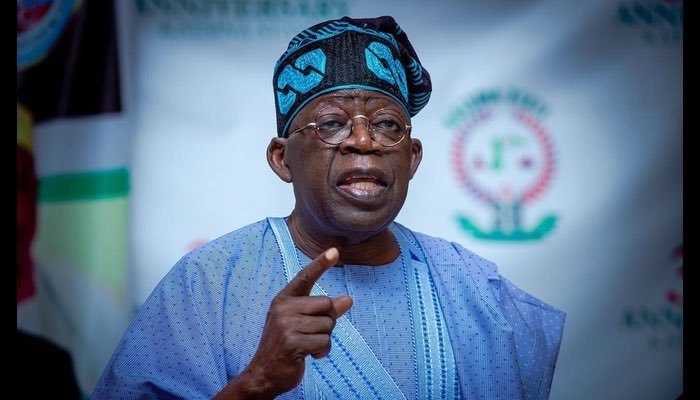
Tunji Bello said the commission will conduct an independent, transparent and evidence-based investigation. He added that the probe does not presume wrongdoing and that all affected parties will have an opportunity to present information before any conclusions are reached.“We recognise the strategic importance of the media to Nigeria’s democracy and the equally significant role of technology in driving innovation and economic growth,” Bello stated.
The FCCPC has experience with major tech enforcement. In 2025, Meta was fined $220 million by Nigerian regulators over data privacy and consumer protection violations. That history suggests the current inquiry could also lead to penalties if violations are found.
Why This Matters For Nigeria’s Media Economy
Nigeria’s media industry employs thousands and remains a critical source of information, especially during elections and national debates. But many news organisations say digital advertising revenue has shifted almost entirely to global platforms, while the content that drives engagement is still produced locally.
The FCCPC probe will specifically examine whether tech firms are using journalistic material to train AI models without permission or payment. This mirrors debates happening in Canada, Australia, the EU and the US, where governments are pushing for “link taxes” or licensing deals between platforms and publishers.
In Africa, South Africa’s competition regulator last year secured concessions from Google and YouTube, including a 688 million rand ($42 million) media support package, following a similar inquiry. Nigeria’s investigation could set a precedent for how African markets regulate digital platforms.
The FCCPC says the investigation will cover market dominance, algorithmic influence, data exploitation and consumer harm. It may also convene public hearings to allow media groups, tech companies and civil society to present evidence.
Alphabet, Meta and X did not immediately respond to requests for comment on the new probe.
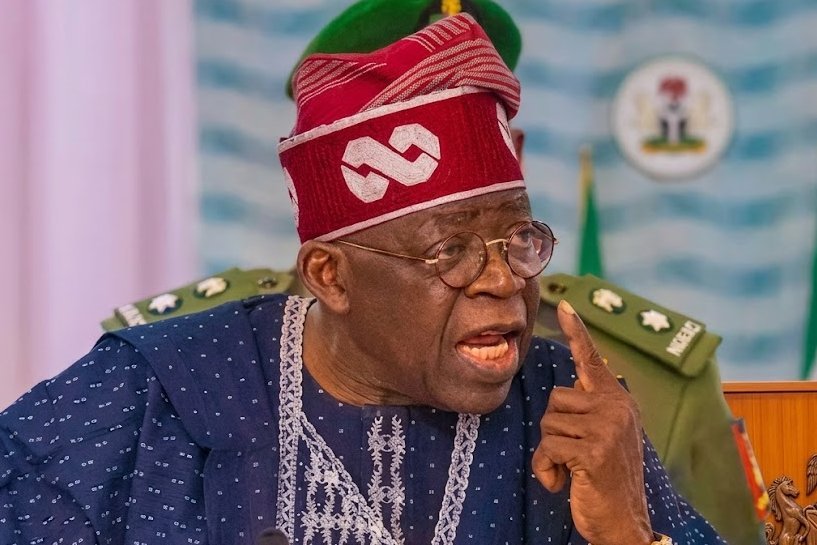
For Nigeria, the stakes are high. Beyond potential fines, the government is signaling that it wants new rules that ensure Nigerian creators are compensated when their work powers global platforms. If successful, the inquiry could reshape how news is distributed and monetised in the country, and give local publishers leverage in negotiations with tech giants.
As Tunji Bello put it, the goal is balance: protecting democracy and free expression while ensuring innovation does not come at the expense of the businesses that create the content people read, watch and share every day.