



Skyscraper Day is celebrated on September 3 to honour skyscrapers, modern architecture and Louis Sullivan, the influential American architect born on this date in 1856.
Skyscraper Day falls on September 3, celebrating towering buildings, modern architecture and Louis Sullivan, the American architect whose ideas helped shape the skyscraper era. The annual observance gives people a reason to look beyond the height of modern city skylines and consider the architects, engineers and innovations that made vertical cities possible.
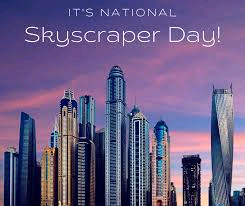
Although commonly called National or World Skyscraper Day, it is not an official public holiday. The exact person or organisation behind its creation is also not firmly established. What is clear is the connection between the date and Sullivan, who was born on September 3, 1856.
Skyscraper Day and Louis Sullivan’s legacy
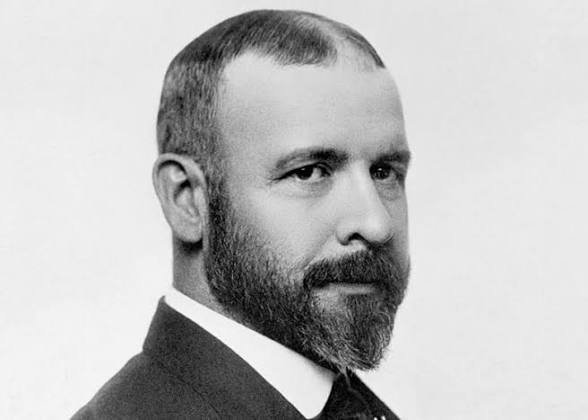
Louis Henry Sullivan became one of the most influential figures in American architecture during a period when cities were changing rapidly.
Born in Boston in 1856, Sullivan studied architecture from a young age and later became closely associated with Chicago, where he worked with engineer and architect Dankmar Adler. Their partnership, Adler & Sullivan, became one of the most important forces in the development of modern American architecture.
Sullivan is often described as the “Father of the Skyscraper” because of his pioneering approach to tall commercial buildings. The National Park Service credits him with helping establish the Chicago style that influenced tall-building construction across the United States during the late 19th and early 20th centuries.
His influence was not simply about making buildings taller. Sullivan believed architecture should respond to a building’s purpose, a philosophy closely associated with the phrase “form follows function.”
That idea became one of the defining principles of modern architecture.
Why September 3 was chosen for Skyscraper Day
The choice of September 3 is closely tied to Sullivan’s birth date. Sullivan was born on September 3, 1856, making the date a natural occasion for an observance centred on skyscrapers and the development of tall-building architecture. However, claims that identify Skyscraper Day as an officially established international holiday should be treated cautiously because there is no clear evidence of a formal organisation establishing it as a public or internationally recognised holiday.
The day has instead grown as an informal occasion for architecture enthusiasts, students, photographers and members of the public to appreciate the buildings that define modern skylines.
Sullivan’s influence on modern skyscraper design
Sullivan’s contribution becomes easier to understand when viewed against the technology available in his era. The development of steel-frame construction allowed buildings to rise higher without relying entirely on massive load-bearing masonry walls. Improved elevators also made tall buildings more practical because people could reach upper floors without climbing endless staircases.
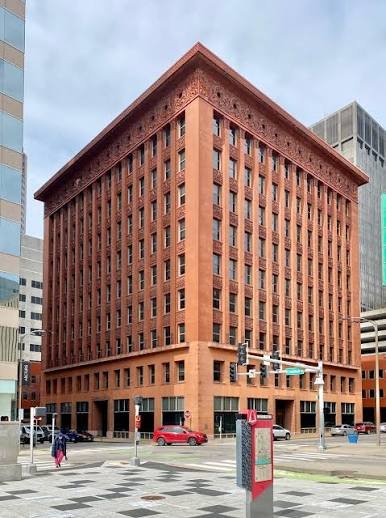
Sullivan and Adler used these developments to explore a new architectural language for tall buildings. Their Wainwright Building in St. Louis, completed in 1891, is regarded by the Chicago Architecture Center as one of the earliest modern skyscrapers and an important example of Sullivan’s ideas about vertical architecture.
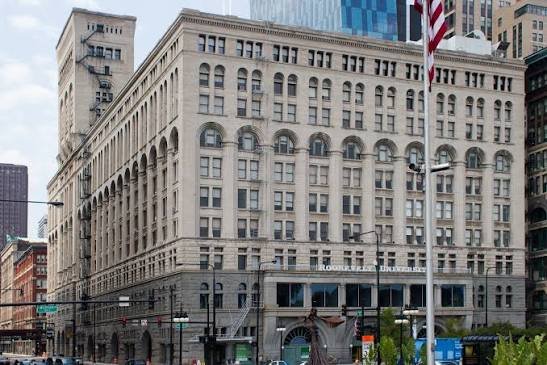
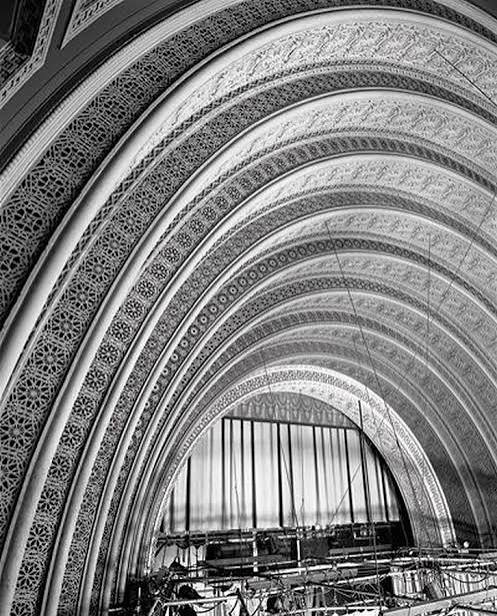
Their Auditorium Building in Chicago, completed in 1889, was another landmark project. It combined a theatre, hotel and office space and demonstrated how structural engineering and architectural design could work together on a large scale.
Buildings that carried Sullivan’s ideas forward
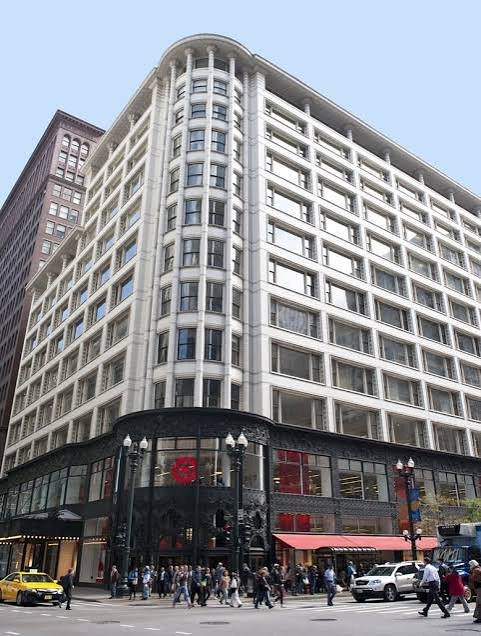
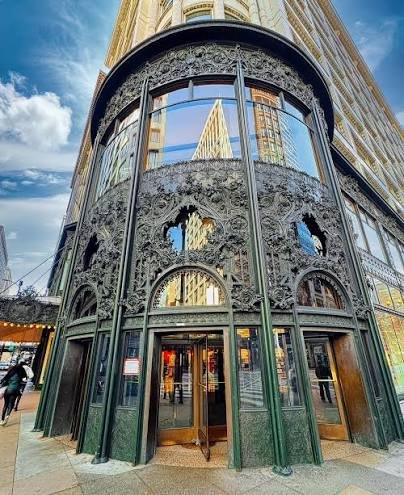
Sullivan’s influence can also be seen in the building now known as the Sullivan Center in Chicago.
Originally designed as the Schlesinger & Mayer department store and completed in 1899, the building features large windows and elaborate organic ornamentation. Its design reflects Sullivan’s belief that architecture could combine practical function with distinctive artistic expression.
Sullivan was also an important mentor. Among the young architects influenced by him was Frank Lloyd Wright, who went on to become one of America’s best-known architects.
The National Park Service notes that Sullivan’s work extended beyond Chicago, while the Chicago Architecture Center describes his influence as reaching well beyond his own buildings and into broader ideas about modern architectural design.
Skyscraper Day in the modern world
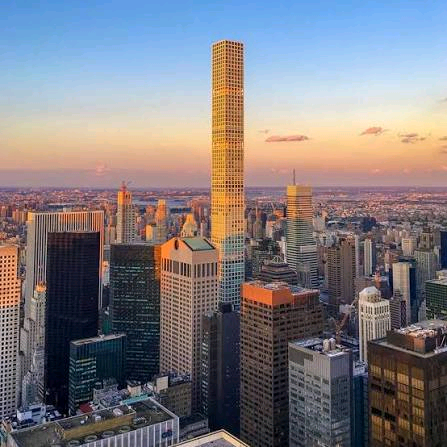
More than a century after Sullivan’s most influential work, skyscrapers have become symbols of economic power, technological progress and urban growth.
Today’s tallest buildings bear little visual resemblance to the early towers Sullivan helped shape. Modern structures use advanced steel and concrete systems, sophisticated elevators, computer-assisted design and engineering methods capable of dealing with extreme height, wind and other structural demands.
The Council on Tall Buildings and Urban Habitat classifies buildings of 300 metres or more as “supertall” and those reaching 600 metres or more as “megatall.”
Its database also notes that there is no single absolute definition of a tall building because height must be considered alongside factors such as proportion, context and technology.
The scale of today’s construction shows just how far tall-building technology has developed. CTBUH recorded 2,593 completed buildings of at least 200 metres worldwide through the end of 2024, including 255 buildings classified as supertall.
How people observe Skyscraper Day
Because Skyscraper Day is unofficial, there are no fixed ceremonies or required traditions.
For many people, observing the day can be as simple as learning about the history of skyscrapers, visiting a landmark building, photographing a city skyline or exploring the work of influential architects.
For architecture enthusiasts, it is also an opportunity to consider how much cities have changed since Sullivan’s time.
From the early steel-frame towers of Chicago and St. Louis to today’s supertall buildings, the story of skyscrapers is ultimately a story of changing technology, ambitious design and the continuing effort to build upward.
And that is what makes September 3 more than just another date on the calendar. Skyscraper Day offers a chance to look at the world’s tallest buildings not merely as impressive structures, but as milestones in the long history of architecture and engineering.


