


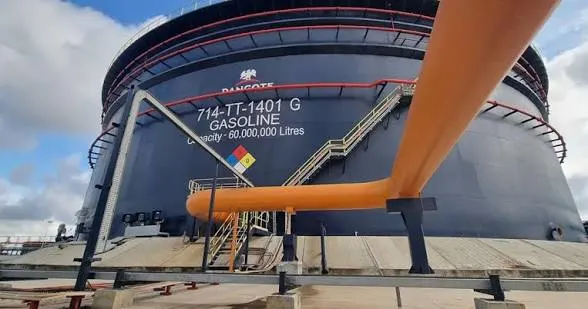
Dangote Refinery Reduces Petrol Gantry Price to ₦1,250 Per Litre.
Nigeria’s petroleum industry has achieved another significant development with Dangote Petroleum Refinery announcing a reduction in its petrol gantry price to ₦1,250 per litre. This adjustment is expected to have a positive impact on fuel distribution costs nationwide, potentially alleviating pressure on marketers, transport operators, businesses, and consumers.s, and consumers.
The price reduction comes at a crucial time when stakeholders across the energy sector continue seeking solutions to improve fuel affordability, stabilize supply, and strengthen local refining capacity. Industry experts believe the move demonstrates the refinery’s growing ability to shape market trends while supporting Nigeria’s journey toward greater energy independence.
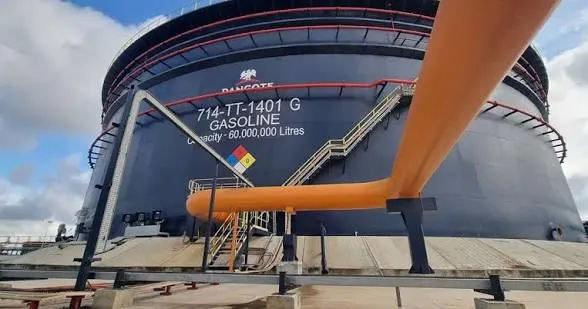
As the largest refinery in Africa, Dangote Petroleum Refinery continues to play an increasingly important role in transforming the country’s downstream petroleum sector. The latest price adjustment further highlights its influence on fuel pricing and supply dynamics across the nation.
Dangote Refinery Reduces Petrol Gantry Price
Dangote Refinery Reduces Petrol Gantry Price to ₦1
The reduction of the petrol gantry price to ₦1,250 per litre reflects ongoing efforts by Dangote Refinery to maintain competitive pricing while responding to changing market realities.
A gantry price refers to the amount marketers pay when purchasing fuel directly from a refinery before transportation, storage, and retail costs are added. Therefore, any reduction at this level often creates opportunities for lower costs throughout the supply chain.
Industry stakeholders have welcomed the development, noting that reduced acquisition costs may provide marketers with greater flexibility and improve efficiency within the distribution network.
The decision also reinforces confidence in local refining operations, which continue to gain momentum as Nigeria seeks to reduce dependence on imported petroleum products.
Relief for Fuel Marketers and Distributors
Fuel marketers are expected to be among the immediate beneficiaries of the price reduction. Lower purchase costs can improve operating margins while helping businesses manage expenses associated with transportation, logistics, and product distribution.
Many operators within the downstream sector have expressed optimism that the adjustment could create a more competitive market environment and encourage increased participation in local fuel sourcing.
Additionally, reduced supply costs may help stabilize product availability across different regions of the country, particularly in areas where transportation expenses have historically contributed to higher retail prices.
Industry observers believe that sustained local refining capacity will continue to strengthen supply chains and improve market efficiency over the long term.
Potential Impact on Fuel Prices Nationwide
Although a reduction in gantry price does not automatically translate into lower pump prices, it often creates conditions that make price adjustments possible.
Retail fuel prices depend on several factors, including transportation costs, depot charges, storage expenses, distribution logistics, and market competition. Nevertheless, a lower refinery price can significantly reduce the overall cost burden faced by marketers.
Consumers across the country will be closely watching developments in the coming weeks to see whether the adjustment leads to more affordable petrol prices at filling stations.
For many Nigerians, any reduction in fuel-related costs could provide welcome relief, especially as transportation expenses continue affecting household budgets and business operations.
Dangote Refinery Strengthens Nigeria’s Energy Sector
The latest development underscores the growing importance of Dangote Petroleum Refinery within Nigeria’s energy landscape.
Since commencing operations, the refinery has steadily increased its production capacity while contributing to efforts to reduce fuel import dependence. Its emergence has created new opportunities for local supply, improved energy security, and strengthened confidence in domestic refining.
With a refining capacity of 650,000 barrels per day, the facility remains one of the most ambitious industrial projects on the African continent. Its operations are expected to play a major role in supporting economic growth, conserving foreign exchange, and improving fuel availability across the region.
Energy analysts believe that increased local refining capacity will continue delivering long-term benefits for both businesses and consumers.
Increased Competition in the Downstream Market
The refinery’s pricing strategy has also intensified competition within Nigeria’s downstream petroleum sector.
As more marketers source products locally, competition among distributors and retailers is expected to increase. This competitive environment can encourage efficiency, improve service delivery, and potentially result in more favorable pricing for consumers.
Experts argue that healthy competition remains essential for creating a balanced and sustainable petroleum market. Consequently, developments that enhance local production and supply are often viewed positively by industry stakeholders.
The growing availability of locally refined products may also reduce exposure to international supply disruptions and currency fluctuations that have historically influenced fuel prices in Nigeria.
Economic Benefits of Local Refining
The expansion of local refining capacity extends beyond fuel pricing. It also contributes to broader economic development through job creation, industrial growth, and increased investment opportunities.
Local refining reduces the need for large-scale fuel imports, helping conserve foreign exchange and strengthen economic resilience. It also supports the development of related industries involved in logistics, transportation, storage, engineering, and maintenance services.
Furthermore, a stronger domestic refining sector can improve energy security by ensuring more reliable access to petroleum products regardless of global market disruptions.
These benefits continue to position local refining as a critical component of Nigeria’s long-term economic strategy.
Industry Stakeholders React Positively
Many industry players have welcomed the latest price adjustment, describing it as a positive step toward a more stable and competitive petroleum market.
According to analysts, the reduction demonstrates confidence in local production capabilities and highlights the refinery’s commitment to supporting market efficiency.
Transport operators and business owners have also expressed hope that lower fuel acquisition costs could eventually reduce operational expenses and ease pressure on consumers.
While market conditions will ultimately determine the extent of any downstream benefits, the announcement has generated optimism across various sectors of the economy.
Looking Ahead
The reduction of Dangote Refinery’s petrol gantry price to ₦1,250 per litre marks another important milestone in Nigeria’s evolving energy sector.
As local refining continues to expand, industry stakeholders expect greater stability, improved supply, and increased competition within the petroleum market. These developments could contribute to a more efficient fuel distribution system and stronger economic outcomes for the country.
For consumers, businesses, and marketers alike, the latest adjustment offers renewed hope that ongoing investments in local refining will translate into tangible benefits throughout the economy.
With Nigeria continuing to strengthen its refining capacity, Dangote Refinery remains at the center of efforts to reshape the nation’s energy future and reduce dependence on imported fuel.
Source: petroleumprice.ng
Read more Entertainment news on Westtrybe.