


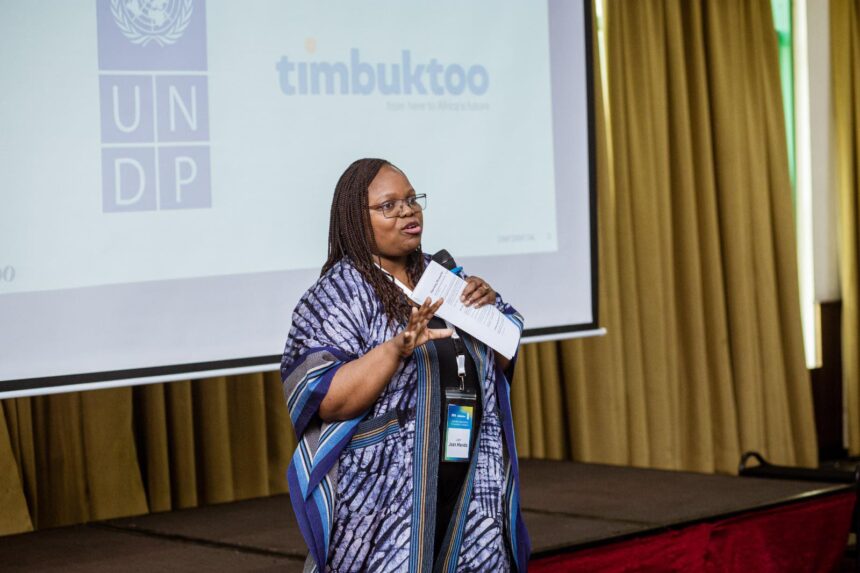
Timbuktoo Champions a New Vision for Africa’s Innovation Future
Africa’s innovation landscape is evolving rapidly, and leaders behind the Timbuktoo initiative believe the continent’s future success will depend on building far more than successful startups.
While access to funding remains important, Timbuktoo is promoting a broader strategy that combines investment, talent development, mentorship, policy reform, research, and cross-border collaboration to create an environment where innovation can thrive.
Supporters of the initiative argue that Africa already possesses the creativity, entrepreneurial spirit, and human talent needed to compete globally. The challenge, they say, is creating the systems and opportunities that allow innovators to turn ideas into sustainable businesses.
Beyond Startup Funding
For years, conversations around Africa’s technology ecosystem have largely focused on venture capital and startup financing. However, Timbuktoo believes funding alone cannot solve the challenges facing entrepreneurs across the continent.
According to the initiative’s advocates, founders also need access to mentorship, professional networks, legal support, favourable regulations, and opportunities to test and scale their products.
Without these essential building blocks, many promising ventures struggle to move beyond the early stages of development.
Rather than concentrating solely on individual startups, Timbuktoo aims to strengthen the broader ecosystem that supports innovation. The initiative promotes collaboration among governments, investors, universities, development organisations, and private-sector leaders to create a more supportive environment for entrepreneurs.
Proponents say this ecosystem-driven approach can help build stronger businesses, create jobs, and contribute to long-term economic growth across Africa.
Universities as Innovation Hubs
A major pillar of Timbuktoo’s vision centres on young people and higher education institutions.
The initiative has consistently emphasized the role universities can play in shaping Africa’s next generation of innovators, entrepreneurs, and technology leaders.
Through programmes such as SPARK Africa and UniPods, students gain opportunities to collaborate with peers across different countries, work on practical solutions to local challenges, and develop entrepreneurial skills while still in school.
Advocates argue that universities should no longer be viewed solely as centres for academic learning. Instead, they believe campuses should function as innovation hubs where ideas can be developed, tested, and transformed into scalable businesses.
Supporters say early exposure to entrepreneurship can help equip young Africans with the skills needed to compete in an increasingly technology-driven global economy.
Rethinking Startup Financing
Access to capital remains one of the most significant barriers confronting entrepreneurs across Africa.
Industry leaders participating in Timbuktoo discussions have repeatedly called for financing structures that better reflect the realities of African markets.
Many argue that traditional funding models often fail to address the unique challenges facing startups operating in emerging economies. As a result, entrepreneurs frequently struggle to secure the resources needed to scale their businesses.
Investors and ecosystem stakeholders are increasingly advocating for innovative financial tools that can reduce risks for early-stage ventures while improving access to growth capital.
Supporters believe more flexible and founder-friendly financing models could unlock substantial economic value and accelerate innovation across the continent.
Africa’s Greatest Strength: Its People
For many innovation advocates, Africa’s most valuable resource is not its natural wealth but its people.
The continent is home to one of the world’s youngest and fastest-growing populations. Across various sectors, including healthcare, financial technology, education, agriculture, and digital commerce, African entrepreneurs continue to develop solutions tailored to local needs.
Developers, engineers, researchers, creatives, and business founders are increasingly demonstrating their ability to compete on the global stage while solving problems unique to their communities.
According to supporters of Timbuktoo, the future of innovation in Africa will depend on how effectively countries invest in this talent and create pathways for young people to turn ideas into impactful enterprises.
A Long-Term Strategy for Sustainable Growth
As Africa’s technology ecosystem matures, Timbuktoo continues to advocate for a long-term approach to innovation and economic development.
Rather than focusing solely on short-term startup success stories, the initiative seeks to strengthen the institutions, partnerships, and support systems that can sustain innovation for decades to come.
Supporters believe stronger collaboration among governments, universities, investors, entrepreneurs, and development partners will play a critical role in unlocking Africa’s full potential.
Their vision is one where local talent drives homegrown solutions, businesses scale beyond national borders, and innovation becomes a key engine of economic transformation.
For Africa’s growing community of founders, innovators, and technology leaders, Timbuktoo’s message is simple: the continent already has the talent to succeed. The next step is building the ecosystem that allows that talent to flourish.
Source:Techcabal.com
Read more news on Westtrybe.