

Nigerian Reps Approve State Police Bill After Years of Debate
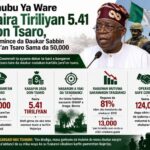
Nigeria’s House of Representatives approved the state police bill on Thursday, June 11, 2026, with 270 votes in favour of the constitutional amendment.
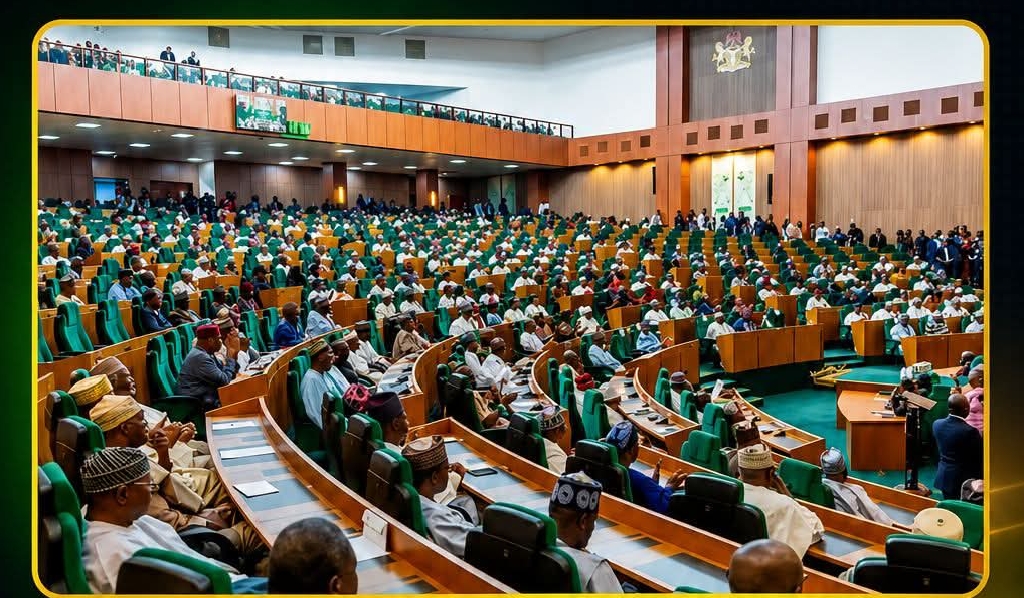
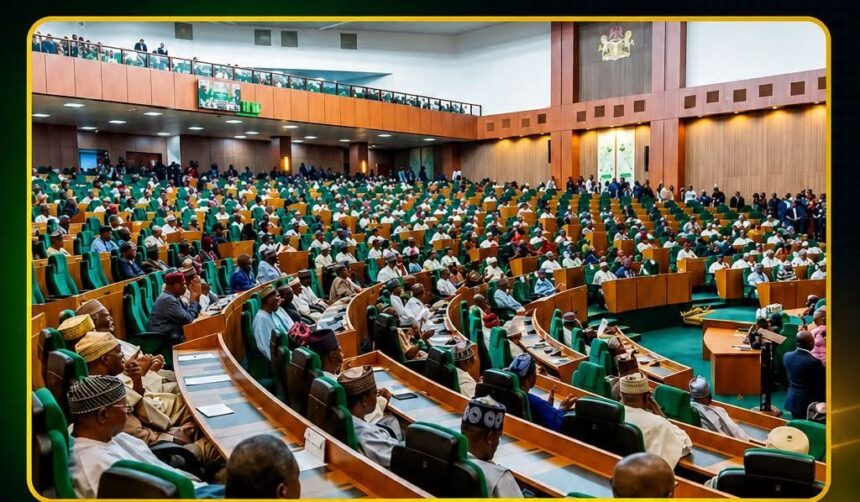
The vote, taken at the National Assembly complex on Three Arms Zone, Abuja, shortly after 3 p.m., ends years of deadlock over whether Nigeria’s 36 states and the Federal Capital Territory should have independent police commands separate from the Nigeria Police Force. The bill, which amends Section 214 of the 1999 Constitution, passed with 270 lawmakers voting in favour and 48 against. Thirteen members were absent.
The House needed at least 240 votes, representing two-thirds of its 360 members, to clear the constitutional threshold. “This is the day Nigerians have waited for,” Speaker Abbas Tajudeen told the chamber moments after the presiding officer announced the result. He said the National Assembly would transmit the bill to state houses of assembly within seven days for concurrent ratification.
State Police Bill Passes: What the Vote Means
The bill empowers each state government to establish, fund, and command its own police service. It creates a State Police Service Commission in each state, modeled loosely on the existing Federal Police Service Commission, to handle appointments, discipline, and promotions. And it sets a minimum staffing ratio of one officer per 500 residents, a benchmark that 22 of Nigeria’s 36 states currently fail to meet, according to a February 2026 National Bureau of Statistics report. The federal government will retain the Nigeria Police Force for interstate operations, border security, and federal installations.
Operationally, both forces can share intelligence under a Joint Security Coordination Protocol that the Inspector-General of Police, Kayode Egbetokun, signed with state governors in March. Opponents spent much of Wednesday night on the floor arguing the measure hands too much power to governors. Minority Whip Aliyu Madaki, representing Kano/Fagge Federal Constituency, said the bill lacks sufficient civilian oversight mechanisms. “A governor with his own police is a governor with his own army,” Madaki told reporters outside the chamber after the vote. He said the minority bloc would challenge the transmission process if state assemblies do not receive the full debate record.
Funding and Timeline Under the State Police Bill
The bill sets no fixed funding formula, leaving that detail to a separate fiscal framework bill that the Senate Finance Committee is still reviewing. That gap worries analysts. Idayat Hassan, director of the Centre for Democracy and Development in Abuja, said by phone on Friday morning that the funding silence is “the single biggest operational risk in the entire legislation.” Each state must submit an implementation plan to the Federal Ministry of Police Affairs within 180 days of the bill receiving presidential assent. States that fail to submit a plan lose access to a new State Policing Seed Fund, valued at 150 billion naira in the 2026 supplementary budget proposal.
President Bola Tinubu has not yet signed the appropriation for that fund. The presidency released a statement Friday confirming that Tinubu “welcomes the passage” and intends to assent to the constitutional amendment once 24 state assemblies ratify it, the minimum required under the Constitution. The statement did not give a timetable.
State Police Nigeria: Reaction From Governors and Security Experts
At least 19 governors sent congratulatory statements by Friday noon. Rivers State Governor Siminalayi Fubara, whose administration has publicly backed state police since 2024, called the vote “a restoration of federalism.” His spokesperson confirmed the statement by phone. But the governors of Kano, Kaduna, and Zamfara, all of whom had expressed reservations in April, had not commented publicly as of press time Friday.
Retired Commissioner of Police Bisi Oduya, a security consultant in Lagos, said the next 180 days will determine whether the bill produces real reform or becomes another unfunded mandate. He said the staffing requirement alone could cost the 36 states a combined 2.4 trillion naira in the first three years.
What Comes Next for the State Police Bill
The bill now moves to state houses of assembly. Northern governors’ aides in Kaduna told this reporter Friday afternoon that at least three northern assemblies are scheduling emergency sessions for the week of June 22. The Kogi State Assembly announced a sitting for Tuesday, June 16. South-West assemblies in Lagos and Ogun have already scheduled votes for Monday. Nigeria’s 109-member Senate passed its own version of the bill in April by 79 votes. A harmonization committee of both chambers reconciled the two texts on May 28, producing the final version the House passed Thursday.