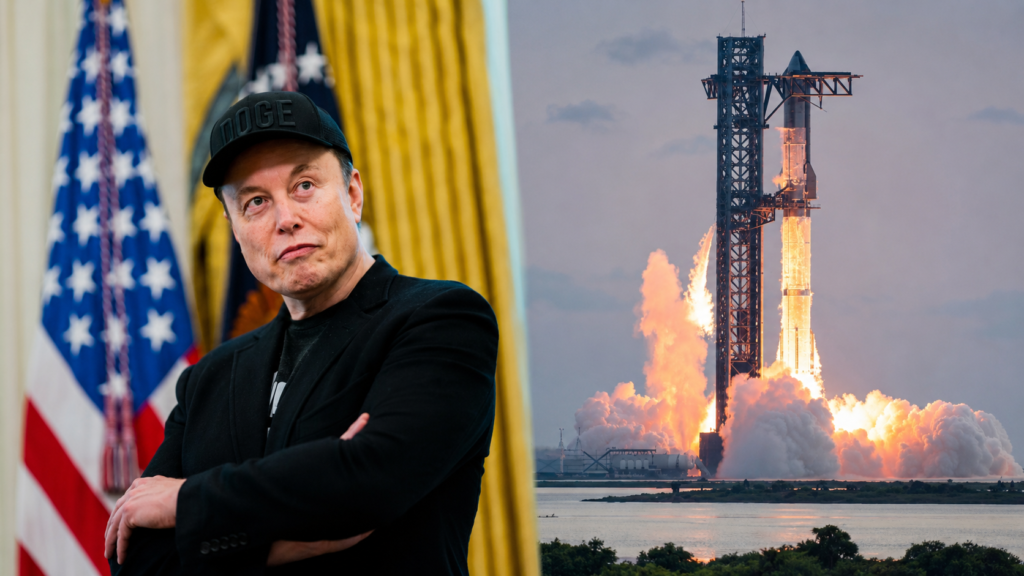


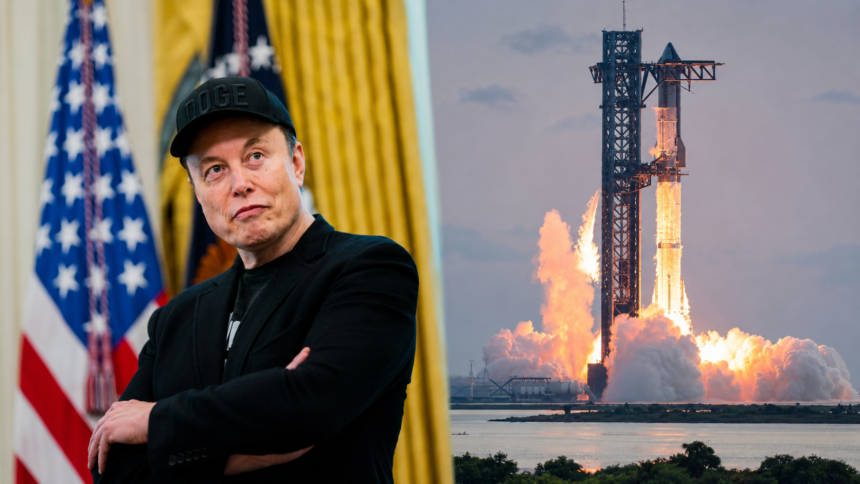
Elon Musk just went full Musk again. A clip from his March 2026 Abundance360 Summit talk is back on X, and this time he’s not talking about robotaxis or tweets. He’s talking about a 10x economy, mass drivers on the Moon, and SpaceX’s Starship putting humans back on lunar soil before 2030.
“The Economy Will Grow 10x in 10 Years”
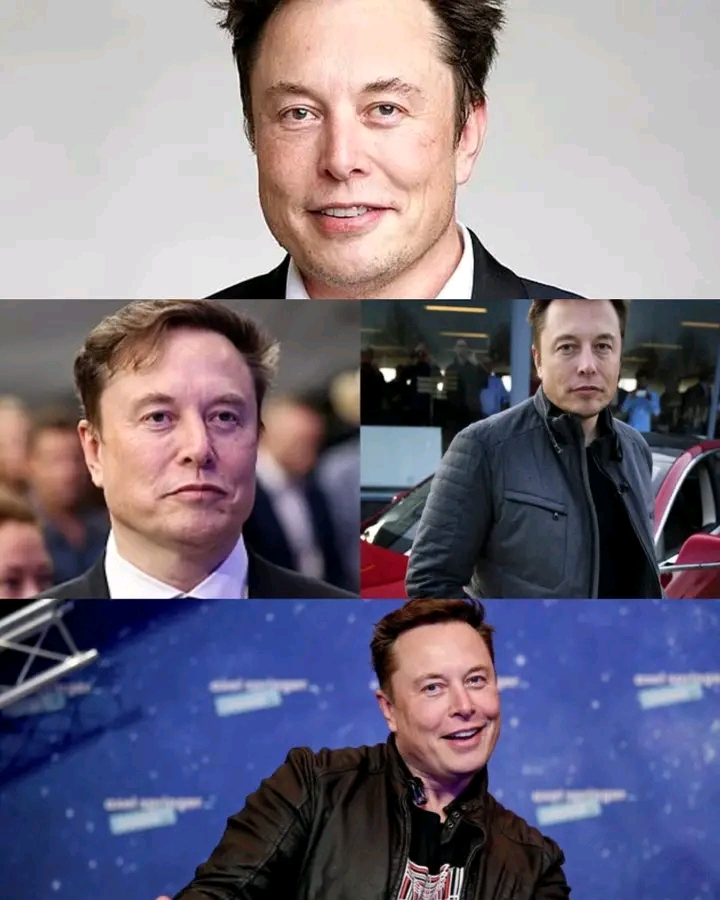
Speaking with Peter Diamandis, Musk dropped a prediction that sounds more sci-fi than finance: the $126 trillion global economy today could hit $1.26 quadrillion by 2036.
“If you have ubiquitous AI that is essentially free or close to it and ubiquitous robotics, you will have an explosion in the global economy that is truly beyond all precedent”. He argues robots will handle industrial work, elder care, and household tasks, while AI removes scarcity.
Economic output, he said, would basically be “average robot productivity x number of robots deployed”.
But he added a caveat everyone noticed: “If there’s like World War III or something, that could put a kink in those plans. But in the absence of World War III, if current trends continue, I would say the economy will grow 10x in 10 years”.
Diamandis even joked back: “And we’ll have mass drivers on the moon!” Musk replied, “I think so, I think we’ll have mass drivers on the moon in 10 years”.
Moon Base, Mass Drivers, and Starship’s Role
The Moon talk isn’t random. Musk tied the economic boom directly to space infrastructure. He forecast a permanent Moon base by 2036, powered by tech advances and “mass drivers for space payloads” – basically electromagnetic launch systems that fling cargo off the lunar surface.
SpaceX’s Starship is the key. Musk highlighted its role in NASA’s Artemis program.
NASA’s current plan has Artemis III testing rendezvous and docking with commercial landers like Starship in late 2027 in Earth orbit. The first crewed lunar landing is now targeted for Artemis IV in early 2028, with Artemis V in late 2028 expected to start building the actual Moon base.
NASA Administrator Jared Isaacman confirmed both SpaceX and Blue Origin are working toward a late 2027 demonstration to meet a 2028 landing attempt. Starship has already passed key milestones, though it still faces challenges with orbital refueling and reliability.
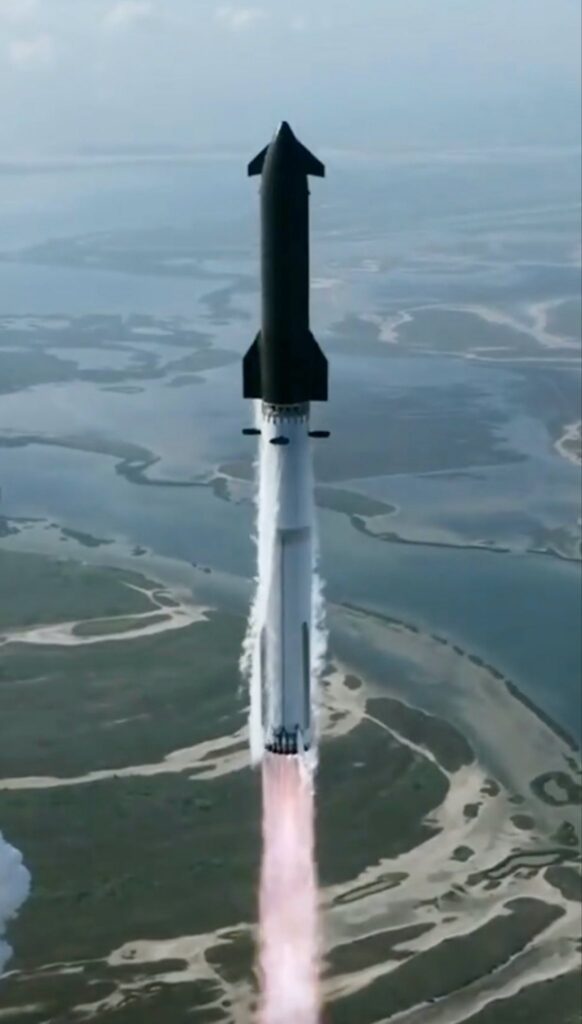
Musk himself replied to the resurfaced clip with just two words: “Wild times ahead!” Peter Diamandis followed up: “Humanity’s goal for the next century is… prevent WW3”.
Excitement vs Reality Check
X lit up fast. Tech optimists called it the most bullish timeline yet for space colonization. Critics pointed to the math: a $1.26 quadrillion economy means 10x growth in a decade, something no modern economy has done without massive disruption.
Space analysts are split on the Moon base too. While NASA plans to begin building lunar infrastructure around 2028-2030, engineers warn a truly self-sustaining base needs a “complex industrial ecosystem” and frequent resupply for decades.
The energy question also came up. Musk has said power is the real bottleneck for AI and robotics. Without grids, storage, and nuclear reactors on the Moon by 2030, abundance could stay stuck with the few who own the robots and rockets.
Musk’s timeline is classic Musk: specific, aggressive, and conditional. If Starship hits its targets, if AI scales without breaking the grid, and if geopolitics stays calm, then yes – a quadrillion-dollar economy and lunar mass drivers by 2036 look less like fantasy.
If not, we still get a heck of a conversation starter. For now, Artemis III’s docking test in 2027 and Artemis IV’s landing in 2028 will be the first real checkpoints. Until then, “wild times ahead” might be the safest prediction Musk made.