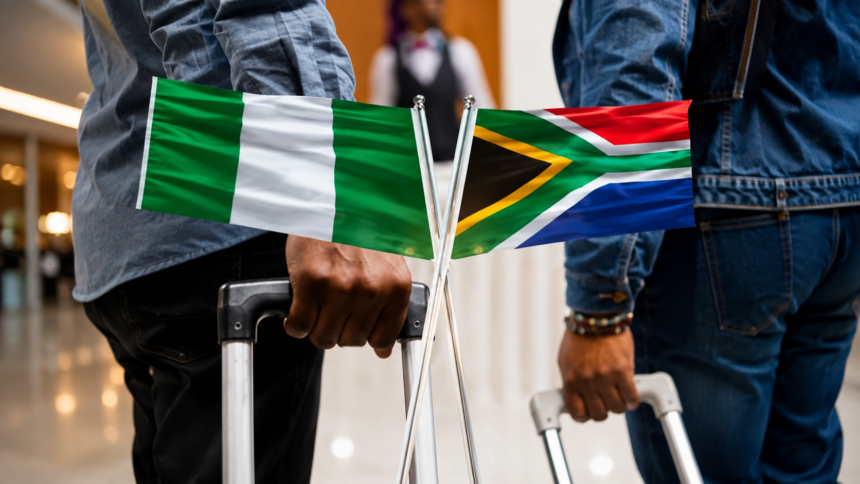
Nigeria and South Africa are working to de-escalate diplomatic tensions following weeks of anti-immigrant violence that forced Abuja to repatriate approximately 1,490 Nigerians from South Africa and raised fresh questions about the safety of Africans living across the continent.
Both governments pledged on Monday to tone down rhetoric, prosecute perpetrators, and strengthen protections for foreign nationals as they seek to preserve decades of bilateral cooperation.
Diplomatic Talks In Abuja
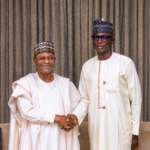
The push to ease tensions followed high-level talks in Abuja between Nigeria’s Minister of State for Foreign Affairs, Sola Enikanolaiye, and South Africa’s International Relations Minister, Ronald Lamola.
After the meeting, Enikanolaiye said both sides agreed to “de-escalate the tension that had erupted between our two countries and our people,” and to lower the temperature of public discourse.
Lamola condemned “all forms of xenophobia” and stressed that no individual had the right to take the law into their own hands. South Africa assured Nigeria that those responsible for the attacks would be brought to justice, while Nigeria said it was compiling compensation claims for property losses suffered by Nigerians.
The Trigger: Xenophobic Attacks And Mass Evacuation
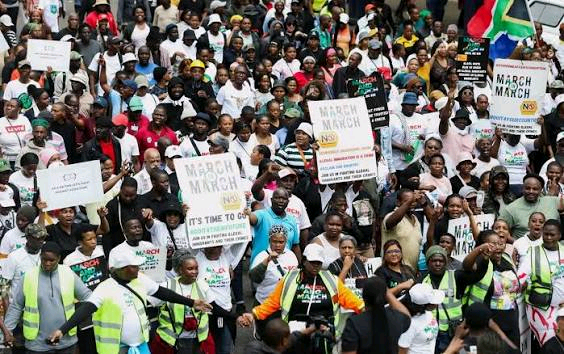
The renewed friction stems from a wave of attacks on foreign nationals in South Africa in recent months. Vigilante groups repeatedly targeted migrant-owned businesses, and anti-immigrant protesters marched in several cities in June calling for undocumented migrants to leave. In response, the Federal Government launched a series of humanitarian flights.
According to the Ministry of Foreign Affairs, 1,490 Nigerians were evacuated in seven batches between June 10 and July 15, 2026.
The breakdown includes:258 returnees on June 10 via Air Peace
66 returnees on June 24 via South African Airways
272 returnees on June 30,
268 on July 2,
282 on July 9,
39 on July 11, and
308 on July 15
The final flight departed O.R. Tambo International Airport, Johannesburg, at 6:30 a.m. on July 15 and landed in Lagos at 11:30 a.m. with 308 passengers. The evacuation was coordinated by the Nigerian High Commission in Pretoria, Consulate-General in Johannesburg, NiDCOM, NEMA, NIS, FAAN and other agencies. Air Peace and South African Airways provided aircraft for the operation.
Nigeria’s Demands For Stronger Safeguards
During the Abuja talks, Nigeria sought stronger safeguards for citizens still in South Africa. These include an early warning system, increased police protection in violence-prone areas, and accountability for those behind the attacks.
The government also reiterated that “all forms of xenophobia, racial intolerance and violence against foreign nationals are unacceptable”, and vowed to continue diplomatic engagement to promote peaceful coexistence.
Minister of State for Foreign Affairs, Bianca Odumegwu-Ojukwu, had earlier urged Nigerians still in South Africa to prioritize safety, noting that “properties and investments lost can be replaced, but not lives lost”.
A Longstanding Friction Between Africa’s Biggest Economies
The violence has reignited a longstanding source of friction between Africa’s two biggest economies. For decades, South Africa has been a major destination for Nigerians pursuing business, education and employment. Many have built successful businesses, but others have faced economic hardship, immigration challenges and social tensions.
At least 1,094 Nigerians had initially registered interest in voluntary return after the attacks began, with screening conducted jointly by officials from both countries. South African authorities agreed to waive penalties for visa overstays, though those facing criminal charges were not eligible.

Both Sides Call For Calm And Cooperation
Despite the crisis, both governments reaffirmed their commitment to strong diplomatic relations. “We agreed that we should de-escalate the tension,” Enikanolaiye said, noting the need to preserve ties built through decades of cooperation.
The Ministry of Foreign Affairs described the evacuation as a demonstration of Nigeria’s “citizens’ diplomacy,” which places the protection and welfare of Nigerians abroad at the center of foreign policy.
The government also expressed appreciation to Air Peace for its “patriotism and partnership” throughout the evacuation programme.
With the evacuation completed, attention now shifts to justice, compensation, and prevention. Nigeria is compiling claims for losses that could form the basis of future compensation discussions.
Both countries say they will work on early warning mechanisms and better protection for migrants. For now, the immediate goal is to restore confidence among the Nigerian diaspora in South Africa and prevent a repeat of the June unrest.
As Africa’s two largest economies, Nigeria and South Africa remain critical partners in trade, security and regional leadership. The events of the past month have tested that partnership, but the latest diplomatic engagement signals a shared resolve to move from tension back to cooperation.