


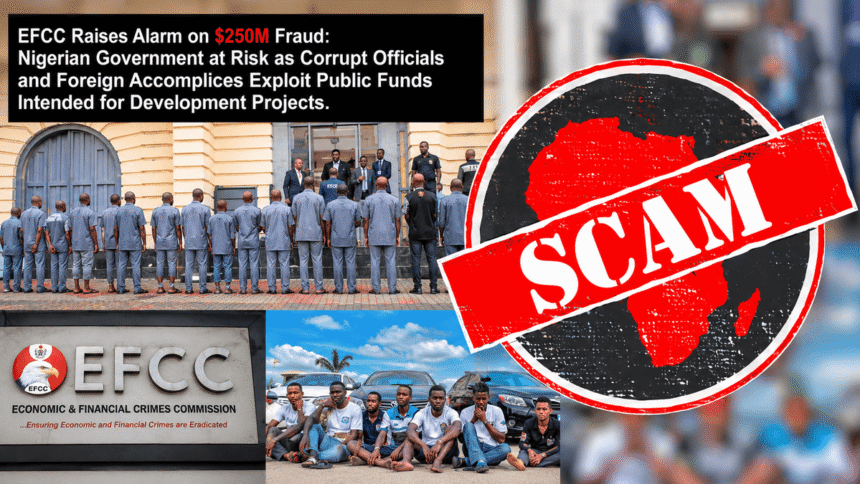
Nigeria Customs Service warns Nigerians to ignore a fake recruitment update circulating on social media, saying it did not originate from the agency.
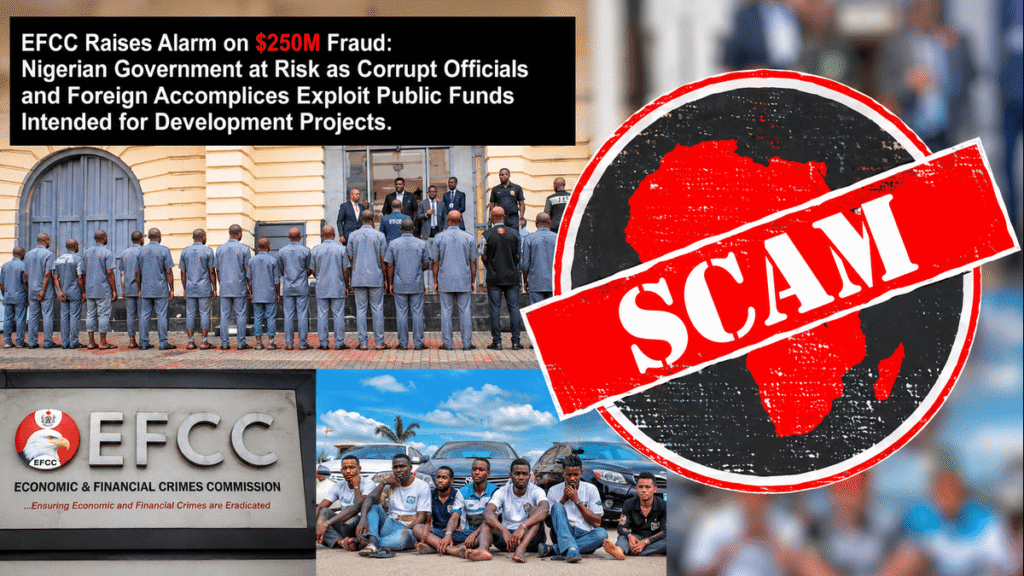
The Nigeria Customs Service on Thursday issued a public warning, directing Nigerians to disregard a fake recruitment update spreading across social media platforms, confirming the content did not come from the service.
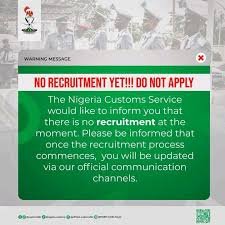
In a statement released Thursday, the NCS stated that the recruitment update circulating on some social media platforms was false. The Service confirmed the content did not originate from it and called on members of the public to take no action based on the publication.
“The Nigeria Customs Service wishes to inform the public that the purported recruitment update currently circulating on some social media platforms is fake and did not originate from the Service,” the statement read.
The NCS directed members of the public to rely only on information disseminated through its official communication channels for authentic updates on its activities, including recruitment. Sharing or acting on unverified content, the service warned, carried risks.
“Members of the public are advised to disregard the publication and rely only on information disseminated through the official communication channels of the Nigeria Customs Service,” the statement added.
Recruitment scams have become a recurring challenge in Nigeria, with fraudsters exploiting public interest in government jobs by circulating fake advertisements and soliciting money from unsuspecting applicants. Security agencies and government institutions have repeatedly warned citizens against engaging with unofficial recruitment notices.
The Service listed its verified social media platforms as Facebook, under the handle Nigeria Customs Service; and its official Instagram, X, which was formerly known as Twitter; Threads; and TikTok, all operating under the handle @customsng.
At the close of the statement, the NCS issued a direct caution to the public: “Stay vigilant. Verify information before sharing.” The advisory applied to members of the public who may have already received or forwarded the fake recruitment update on any platform.
By issuing the warning through its own channels, the service drew a clear line between official communications and content that has spread without authorization. The statement did not name any individual or group responsible for originating the fake update.
No further details were disclosed in the statement about the specific nature of the fake recruitment update, the platforms on which it spread, or the number of people who may have encountered it before the NCS issued its rebuttal.
The NCS urged the public to verify information through its official platforms before sharing or acting on it. That verification step, the Service indicated, was the primary safeguard available to members of the public against content falsely attributed to the agency.
Fraudsters in Nigeria have a documented pattern of creating false government recruitment notices that mimic official communications in design and language, a tactic that makes them difficult to distinguish from genuine announcements without cross-checking official sources directly.
Security agencies and government institutions have repeatedly warned citizens against engaging with unofficial recruitment notices or making payments to unverified individuals or organizations claiming to represent government bodies in any capacity.
The statement from the NCS did not specify whether any formal report had been made to law enforcement about the fake update or whether an investigation was underway. It focused entirely on public notification and guidance on where to find verified information.
The NCS listed five official platforms through which it publishes recruitment updates and other public information: Facebook under the name Nigeria Customs Service and the @customsng handle on Instagram, X, Threads, and TikTok, respectively, giving the public clear reference points.
For the Nigeria Customs Service, whose recruitment exercises attract considerable public attention, the Thursday warning marked a call to action aimed at preventing Nigerians from falling victim to a fake recruitment update that had already begun circulating before the agency intervened publicly on the matter.


