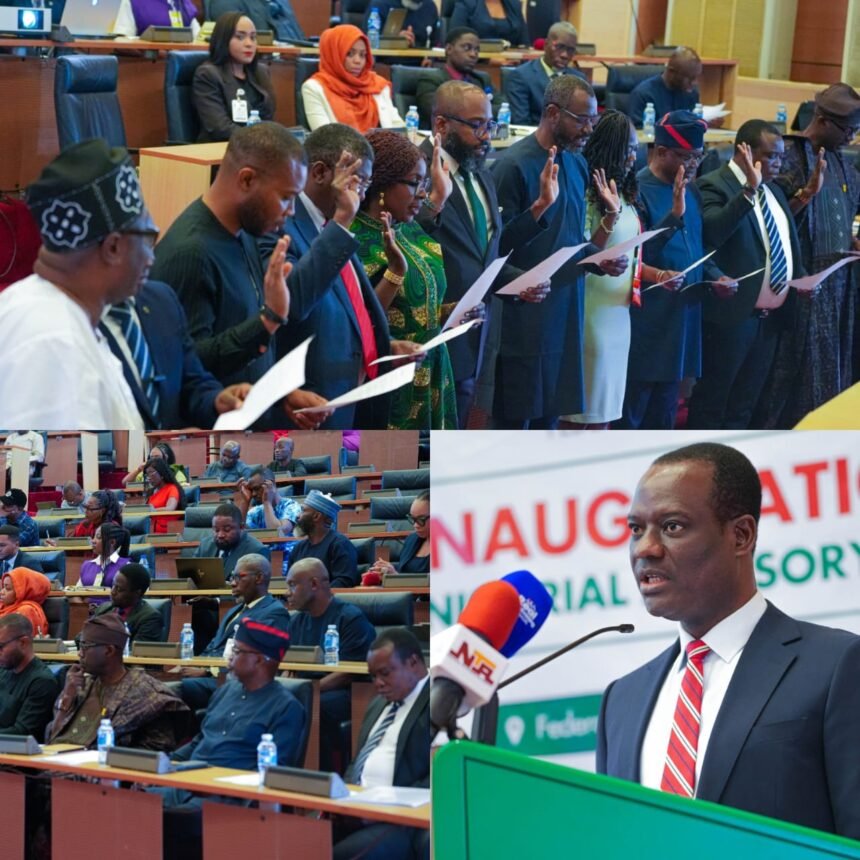
FG Sets Up Advisory Committee to Deepen Economic Reforms, Focus on Results. The Federal Government has inaugurated a Ministerial Advisory Committee (MAC) to provide independent, data-driven advice on Nigeria’s economic reforms, as it seeks to ensure that recent policy changes translate into measurable improvements for businesses and citizens.
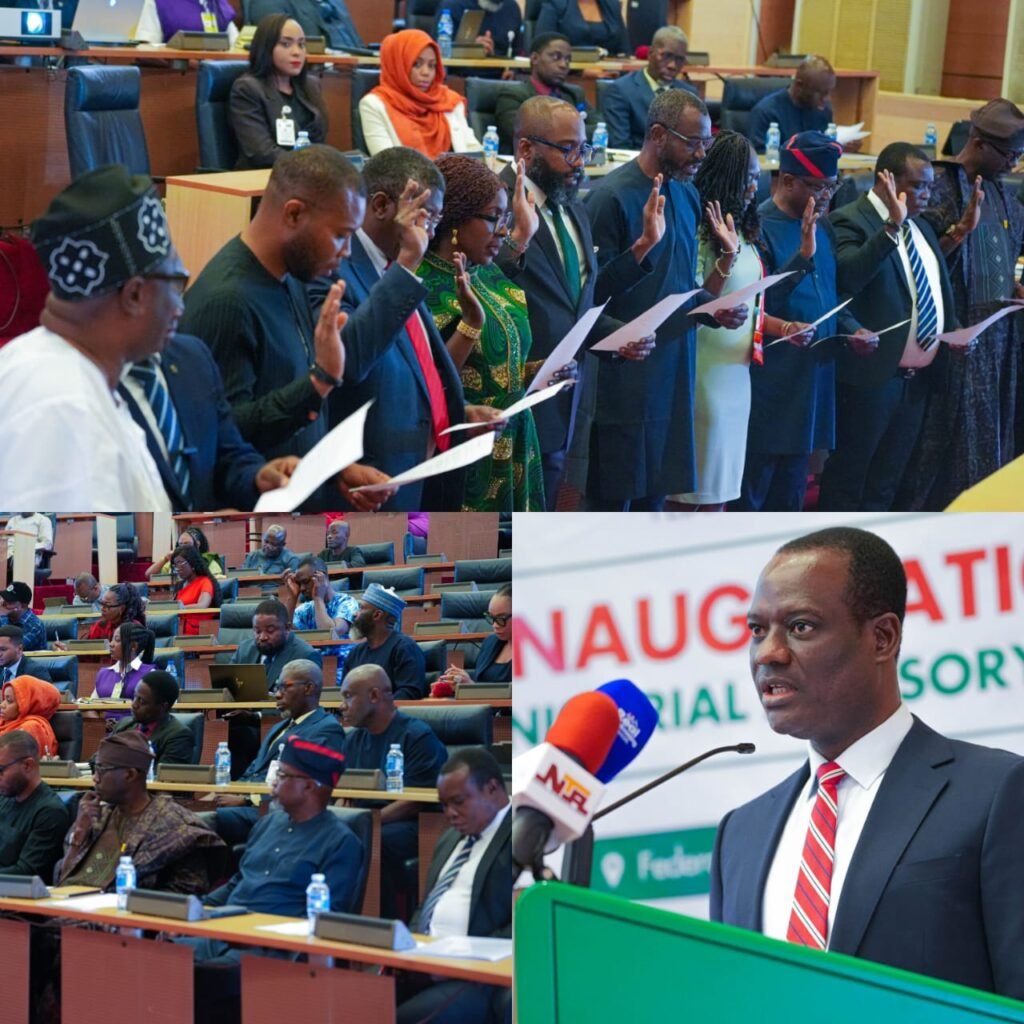
The committee, inaugurated by the Minister of Finance and Coordinating Minister of the Economy, Taiwo Oyedele, will review the impact of ongoing reforms, identify policy gaps, assess fiscal risks and recommend practical solutions to strengthen economic growth and improve public financial management.
The move comes after a series of major reforms introduced by the Federal Government over the past three years, including the removal of fuel subsidies, the unification of the foreign exchange market and the implementation of tax reforms. While these policies have been praised by international financial institutions for improving macroeconomic stability, they have also increased the cost of living for many Nigerians.
Speaking at the inauguration in Abuja, Oyedele said the committee represents a new approach to policymaking that combines government action with private-sector expertise.
“Today is not simply about constituting another committee. It is about institutionalising a new way of thinking, a new way of solving problems, a new way of connecting ideas with implementation and strengthening the quality of economic decision-making in service of the Nigerian people,” he said.
According to the minister, the committee will not replace existing government agencies or make executive decisions. Instead, it will provide independent, evidence-based recommendations to help government better understand the long-term effects of its policies and improve implementation.
Oyedele acknowledged that recent reforms have placed pressure on households and businesses but insisted they were necessary to put the economy on a more sustainable path.
“We want to move from reform to results,” he said, adding that the success of the government’s policies should ultimately be measured by “the number of jobs created, inflation declining, the naira stabilising and businesses investing with confidence.”
The committee’s responsibilities include advising on fiscal and macroeconomic policy, improving public financial management, strengthening coordination across government institutions, promoting investment, enhancing the ease of doing business and ensuring that reforms deliver tangible benefits to Nigerians.
Responding on behalf of the committee, its chairman and Managing Director of Sterling Bank, Abubakar Suleiman, promised that members would focus on practical recommendations rather than lengthy reports.
“We will try to listen and hear what people are really saying, where Nigerians are really feeling the pain, which of the policies is really working, and then we’ll bring that back to you in an environment that you can work with,” Suleiman said.
Why It Matters
For businesses and investors, the creation of the advisory committee signals the government’s intention to improve the quality of economic policymaking and make reforms more responsive to real-world challenges. By bringing together experts from the private sector, academia and development organisations, the government hopes to identify risks earlier, improve policy coordination and build greater confidence among investors.
Analysts say the committee’s success will depend not only on the quality of its recommendations but also on whether government agencies act on them. If implemented effectively, its work could help create a more predictable business environment, strengthen investor confidence and support Nigeria’s long-term goal of achieving faster, more inclusive economic growth.