


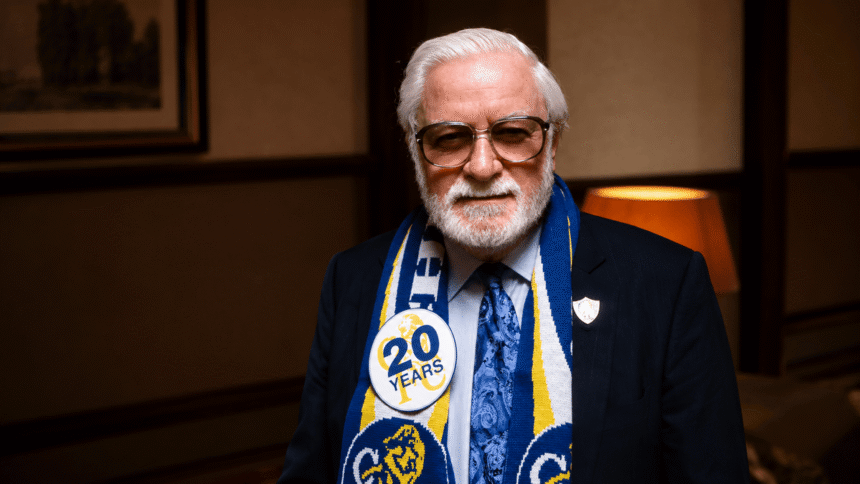
Ken Bates, the former Chelsea chairman who purchased the London club for just £1 in 1982, died on Saturday at the age of 94. Chelsea confirmed his death in an official statement released that same day.
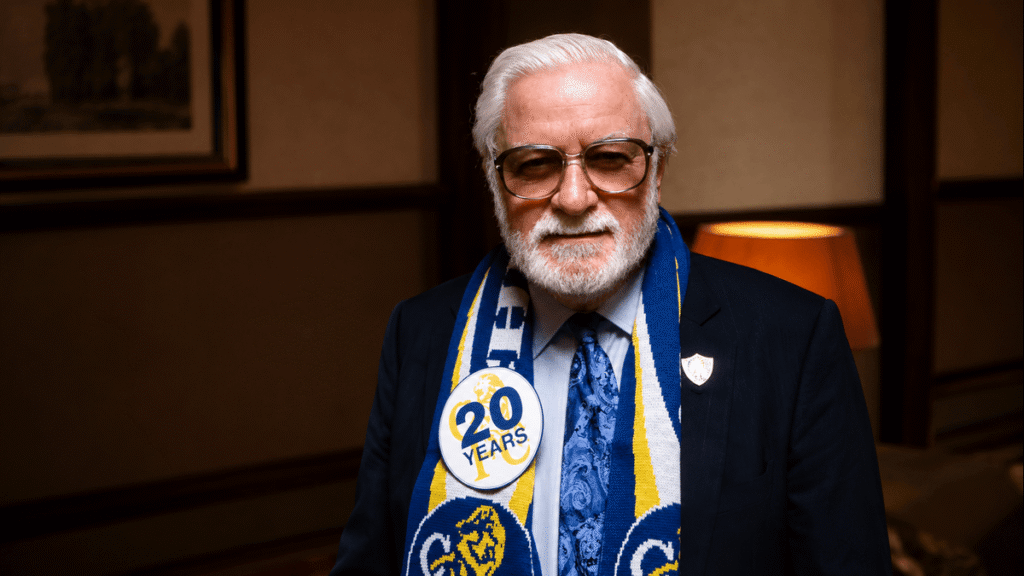
The club said Bates passed away in Monaco, with his wife and family by his side. No cause of death was given.
Chelsea Pays Tribute to Former Chairman Ken Bates
Chelsea’s statement described Bates as a central figure in the club’s history. The club credited his resolve during financially difficult periods as instrumental in shaping what Chelsea eventually became.
“Ken’s determination to fight for Chelsea when times were tough and drive the team on to winning trophies will never be forgotten,” the club said. “Rest in peace, Ken.”
Bates took control of Chelsea at a time when the club was drowning in debt and competing outside England’s top division. The £1 purchase price masked the reality of the situation; the club carried debts of approximately £1.5 million at the time of the takeover.
What followed was a two-decade chairmanship that saw Chelsea climb back into the top flight and build the commercial and structural foundations that later enabled the club’s transformation into a major force in English football.
The £140 Million Sale That Changed English Football
In 2003, Bates sold Chelsea to Russian billionaire Roman Abramovich in a deal reported at £140 million. That transaction marked a turning point not just for Chelsea, but for the Premier League as a whole. The influx of Abramovich’s wealth triggered a period of sustained success at Stamford Bridge that produced multiple league titles and European honors.
Bates remained at the club in a chairman’s capacity for a period after the sale before stepping away from his role entirely. Details of the exact timeline of his departure were not disclosed in the club’s statement.
His time at Chelsea spanned some of the most turbulent and then triumphant years in the club’s existence. He arrived at a club near collapse and left one positioned among England’s elite.
From Stamford Bridge to Elland Road
Bates did not retire from football after leaving Chelsea. In 2005, he acquired a 50 per cent stake in Leeds United and became the club’s principal owner. His tenure at Elland Road lasted seven years.
Leeds were sold to GFH Capital in 2012, ending Bates’s direct ownership of a football club. His involvement in the sport spanned the better part of four decades across two major English clubs.
At the time of his death, Bates was 94 years old, making him one of the longest-serving major figures in the modern history of English club football.
Chelsea did not announce details of any memorial arrangements in its initial statement. Further information from the club had not been made available at the time of publication.
Premier League Reacts to the Death of a Club-Building Pioneer
The football community was expected to respond to the news following Chelsea’s announcement. Reactions from other clubs and from football governing bodies were not immediately available.
Bates was a polarizing figure during his years in football administration. He held firm views on stadium ownership, supporter relations, and club governance and was frequently at the center of debate within the sport. His methods drew criticism from some quarters, but his defenders pointed to what Chelsea became as evidence of his effectiveness.
When he took charge at Chelsea, the club was in a precarious financial position with limited prospects. When he exited, the infrastructure was in place for what became one of the most decorated eras in the club’s history.
His legacy at Chelsea is inseparable from the groundwork that made the Abramovich era possible. Without the stabilization Bates oversaw across his two decades at Stamford Bridge, the club’s trajectory could have been entirely different.
Chelsea’s tribute was brief but direct. The club did not hedge its assessment of his importance.
Bates is survived by his wife, who was present at his bedside in Monaco when he died. Further details about his family were not disclosed.