Nigerians who raise money online from foreign donors could soon face criminal charges under a bill advancing through the National Assembly, with penalties including fines and possible imprisonment for anyone who receives external funds without government approval.
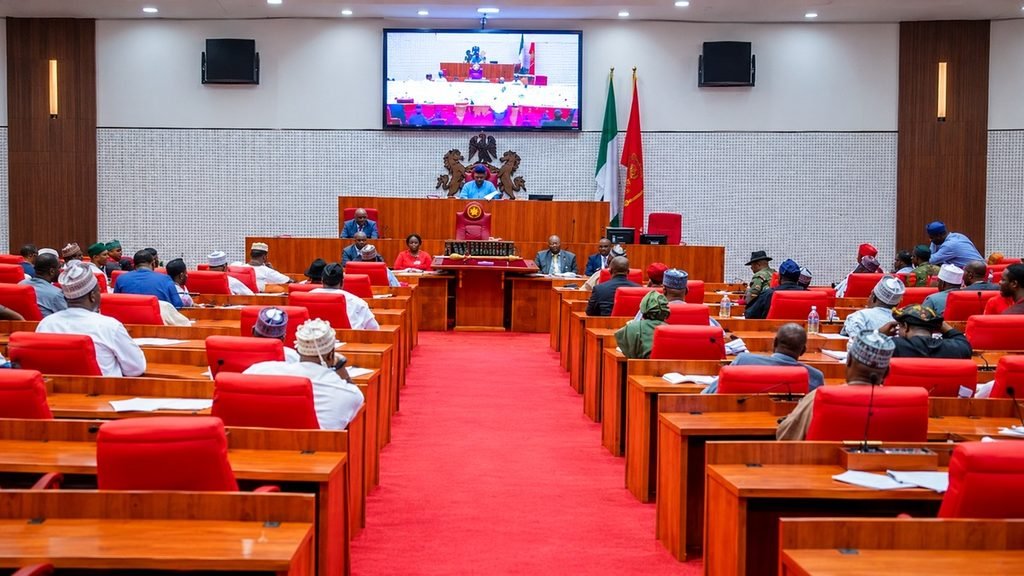
The proposed legislation, titled the Foreign Aid, Grants, and Donations Regulation, Coordination, Transparency, and Disclosure Bill, 2026 Senate Bill 1034, seeks to track all funds entering Nigeria from foreign governments, international foundations, and private donors.
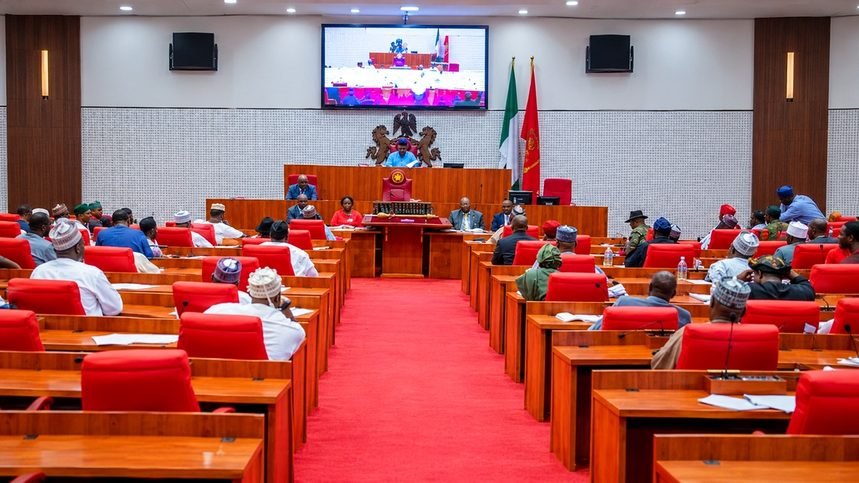
The bill was introduced in the Senate on May 6, 2026, and passed its second reading on July 22, 2026. It now sits before committee, with lawmakers yet to schedule a public hearing date.
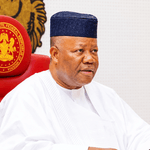
Senator Ibrahim Hassan Dankwambo of Gombe North sponsored the bill as part of what the Senate describes as an effort to strengthen oversight of foreign funding flowing into the country. Dankwambo, a former Gombe State governor, presented the legislation as a transparency measure intended to prevent illicit financial flows and ensure that external funds serve Nigeria’s development interests rather than undisclosed foreign agendas.
The bill proposes the creation of a National Donor Coordination Framework, mandatory registration of foreign aid-related activities, a central database, and stronger alignment of aid with Nigeria’s development priorities.
The bill seeks to establish a Foreign Aid Regulatory Commission with powers to register, inspect, audit, sanction, and suspend or shut down organizations that receive foreign grants, donations, or technical assistance.
Section 6(1) requires registration of any foreign aid within 30 days of receipt, a deadline critics say risks criminalizing life-saving, time-sensitive support for individuals in urgent need. Opponents note that crowdfunding campaigns for medical emergencies, which can receive international donations within hours of being posted, would trigger the registration clock immediately upon receipt of the first foreign contribution.
Civil society groups have faulted the bill for failing to distinguish between foreign aid received by government agencies and private donations made to independent organizations, arguing that donations to independent groups constitute private income protected by the right to freedom of association.
The coalition said the proposed law goes beyond regulating large NGOs and could affect a wide range of community-based organizations, specifically citing church welfare committees, mosque Zakat networks, hometown development unions, and university alumni associations as examples that could fall within the bill’s scope.
In a direct rebuke of the Senate’s position, the coalition said, “The government did not provide welfare. It cannot ban our charity.”
The bill would require that “foreign aid-funded activities shall align with Nigeria’s national development plans and priorities,” a provision Human Rights Watch described as vaguely worded, offering no clarity on how alignment would be assessed. The organization noted in its analysis that similar alignment clauses in legislation passed in Ethiopia and Russia were subsequently used to justify the forced closure of organizations working on health, legal aid, and environmental issues.
The bill moves beyond simple disclosure. It establishes a regulator with powers to request information, inspect and audit projects, impose administrative sanctions, and enforce compliance, while requiring foreign-aid-funded projects to align with national development plans.
Signatories to a letter opposing the bill also raised concerns about the 30-day registration requirement and a separate requirement that NGOs publicly disclose their partners in a national register, which groups say could endanger survivors, witnesses, and human rights defenders.
The bill has passed its first and second readings in the Senate and has been referred to the Senate Committee on National Planning and Economic Affairs for detailed review, public hearings, and consultations.
The committee will report its recommendations to the Senate before the bill proceeds to a third reading and final vote, after which it will require approval by the House of Representatives and presidential assent before it becomes law.
A coalition of 90 civil society organizations warned that passage of the bill would accelerate democratic decline and erode constitutional freedoms ahead of the 2027 general elections. For ordinary Nigerians raising money online for medical bills, school fees, or emergency needs, the GoFundMe question may not be settled in committee; it may be settled in court.