



The Post That Triggered a Prison Sentence
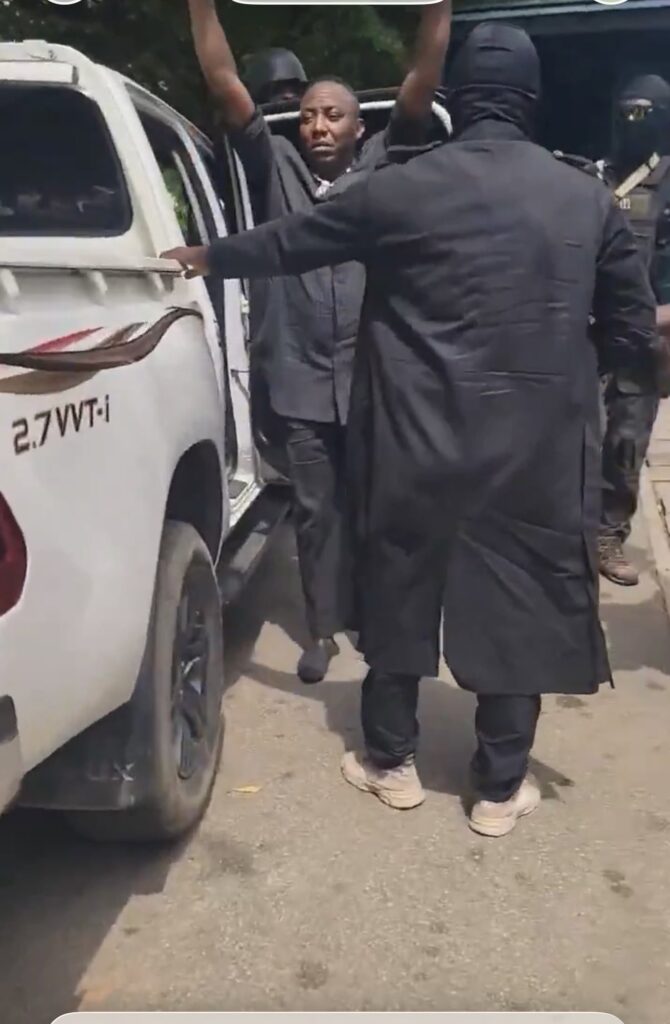
Omoyele Sowore is back in Kuje Correctional Centre, and the reason is a tweet. On Monday, June 22, 2026, Justice Mohammed Umar of the Federal High Court, Abuja, ordered the immediate remand of the activist, journalist, and AAC presidential candidate at Kuje pending further proceedings.
The charge stems from an August 2025 post on X and Facebook where Sowore described President Bola Tinubu as a “criminal” while commenting on remarks made during a presidential trip to Brazil.
The Department of State Services, DSS, demanded he delete the post. Sowore refused, insisting on his right to free expression. That refusal has now landed him with two counts of cyberstalking and criminal defamation under Section 24 of the Cybercrimes Act, 2024.
He is scheduled to remain in custody until Wednesday, June 24, when his legal team will argue a motion for stay of execution.
Courtroom Drama: Lawyers Walk Out, Sowore Goes Solo
The trial has been anything but routine. On June 5, Sowore’s entire defense team withdrew from the case, citing “humiliation” faced in open court. Sowore chose to represent himself and filed a motion accusing Justice Umar of bias.
The judge dismissed that recusal application on Monday before issuing the remand order.
His bail was revoked on June 16 after he failed to appear for a scheduled defense hearing. Prosecutors labeled his absence a “delay tactic,” and a bench warrant was issued. Monday’s ruling made the remand official.
“Weaponizing the Law”: Amnesty and SERAP Condemn Detention
Rights groups responded swiftly and forcefully. Amnesty International Nigeria demanded Sowore’s “immediate and unconditional release,” describing the detention as “arbitrary” and a “dangerous assault on freedom of expression and civic space in Nigeria”.

The Socio-Economic Rights and Accountability Project, SERAP, went further. Deputy Director Kolawole Oluwadare stated: “Nigerian authorities must immediately release Sowore and drop all the bogus charges against him. Authorities must stop weaponizing criminal defamation and cybercrime laws to target journalists, bloggers, human rights defenders and activists”.
SERAP warned of an “escalating crackdown on the rights to freedom of expression, peaceful assembly, association and media freedom and the flagrant disregard for the rule of law”.
Kuje: A Familiar Address for Sowore

This is not Sowore’s first time behind Kuje’s walls. He was detained there in 2019 for 45 days over #RevolutionNow protests. In 2025 he spent four days in the same facility after a #FreeNnamdiKanuNow demonstration.
For supporters, the pattern is clear: criticize power, face prosecution. For the government, it’s about enforcing cybercrime laws in the digital era.
The question Nigerians are asking is where the line falls between “criminal defamation” and legitimate political criticism.
Wednesday’s hearing will determine whether Sowore walks free or spends more nights in Kuje. Until then, #FreeSowore is trending again, and the case is fueling a national debate on free speech, online activism, and the limits of state power.