



Lionel Messi retirement reactions have swept across the football world after the Argentina captain announced his decision to leave the national team, ending a 21-year international career that brought him a World Cup, two Copa América titles and countless memorable moments in the famous blue and white shirt.
Messi, 39, made the announcement on Instagram on Monday, August 31, saying the decision was painful but that he believed the time had come to step away. His decision came weeks after Argentina lost 1–0 to Spain in extra time in the 2026 World Cup final in New York/New Jersey.
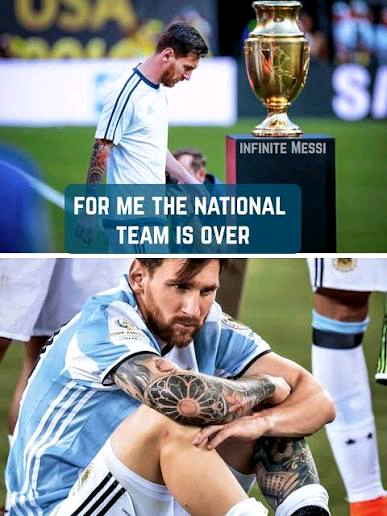
Lionel Messi retirement announcement: “The time has come”
Messi shared a handwritten farewell message with his followers, explaining that he had spent considerable time thinking about his future with Argentina.
He said he had written the message on July 21, two days after the World Cup final, but did not immediately publish it. The death of his father, Jorge Messi, in August later strengthened his decision to bring his international career to an end. FIFA also confirmed that Messi had originally prepared the farewell message shortly after the final.
Messi described the decision as one that still hurts, but said he understood that the moment had arrived. He also pointed to the young players coming through the Argentina setup, suggesting that the national team now has a new generation ready to take greater responsibility.
His message made clear that this is an international retirement, not a retirement from football altogether. Messi remains an Inter Miami player, with his contract running through the 2028 MLS season.
Messi retirement closes a remarkable Argentina chapter
Messi leaves the Argentina national team with numbers that underline his influence. He finished with 207 appearances, 125 goals and 68 assists, making him Argentina’s all-time leader in both appearances and goals. His international career began in 2005, when he made his senior debut against Hungary.

The road to those numbers was not always easy.
For years, Messi faced criticism over Argentina’s failure to win a major senior international trophy. He lost the 2007 and 2015 Copa América finals and then suffered another Copa América final defeat against Chile in 2016. Argentina also lost to Germany in the 2014 World Cup final.
That changed in 2021 when Messi finally won the Copa América, beating Brazil at the Maracanã. A year later came the biggest prize of his career: the 2022 World Cup in Qatar.
Argentina then won another Copa América title in 2024 before returning to the World Cup final in 2026. Spain ended that run with a 1–0 extra-time victory, but Messi still left the tournament having extended his record to 34 World Cup appearances.
Argentina reacts to Messi’s international retirement
The reaction in Argentina was emotional but also filled with gratitude.
Fans in Buenos Aires spoke about the difficulty of imagining the national team without the player who had been at the centre of it for more than two decades.
Francisca Mieth, an 18-year-old university student, told Reuters that although the farewell would be difficult, she was grateful for the happiness Messi had brought to Argentina.
Dog walker Jose Aramburu similarly highlighted Messi’s persistence and determination throughout his career.

Argentine media also treated the announcement as the closing of a major football era. Former teammate Ángel Di María, who retired from international football in 2024, joined the tributes and thanked Messi for representing Argentina with such distinction.
The response reflected something larger than statistics. Messi had become part of Argentina’s sporting identity, particularly after the successes that finally ended years of disappointment with the national team.
Messi retirement reignites the legacy debate
Messi’s departure has naturally revived discussions about where he stands among football’s greatest players.
For Argentina, the comparison with Diego Maradona has been part of the conversation throughout Messi’s career. His World Cup triumph in 2022 helped settle much of that debate, while his Copa América successes further strengthened his place in the country’s football history.
Globally, his name has also long been linked with Cristiano Ronaldo in discussions over the greatest player of their generation.
Whatever side of those debates fans choose, Messi leaves Argentina as its record appearance-maker and leading goalscorer, with a World Cup title and two Copa América trophies among his major achievements. He also won the World Cup Golden Ball in both 2014 and 2022, becoming the first player to receive the award twice.
What Messi’s retirement means for Argentina
Argentina now faces the challenge of moving forward without its longtime captain and creative leader.
Coach Lionel Scaloni will have to build around a younger group of players while maintaining the standards established during the team’s recent successful period.
The transition will not happen overnight. Messi’s influence on Argentina has stretched far beyond goals and assists, and replacing that experience will be one of the biggest tasks facing the national team.
Argentina’s future plans will now focus on the next international cycle, with Messi no longer expected to be part of the squad.
For Inter Miami, meanwhile, the decision removes the demands of international breaks and tournaments from Messi’s schedule. His club career continues, with his current deal taking him through the 2028 MLS season.
A second retirement, but a different ending
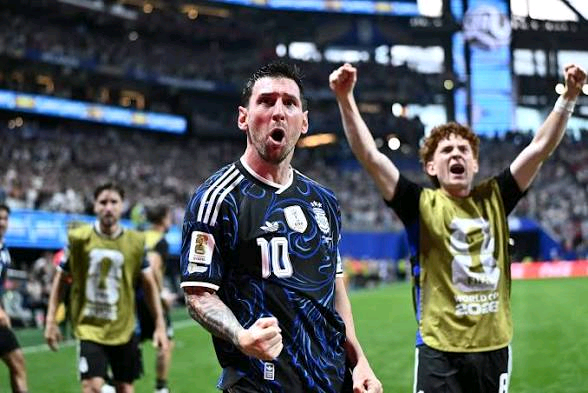
This is not the first time Messi has announced his international retirement.
In 2016, he briefly walked away from Argentina after another Copa América final defeat to Chile. He returned soon after and went on to lead the country through the most successful period of his international career.
This time, however, Messi’s message carries a different weight.
After 21 years, six World Cups, 207 appearances and 125 goals, he says he has given everything he can to the national team.
His final chapter did not end with another World Cup trophy. Instead, it ended with Argentina reaching the final once more and Messi leaving the international stage as the captain who helped turn years of frustration into an era of success.
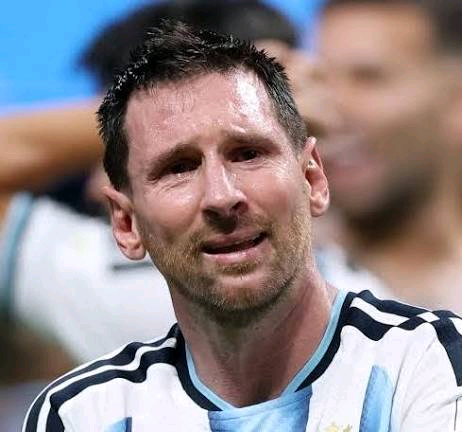
The shirt will eventually belong to someone else. The records will eventually be challenged.
But the story of Lionel Messi and Argentina is now complete.


