

Four analysts surveyed by Bloomberg forecast the naira will end the year at ₦1,290 per dollar, from its current level of ₦1,328.92. That projected move, if realized, would be significant for millions of Nigerians whose cost of living is directly tied to how much a dollar costs.
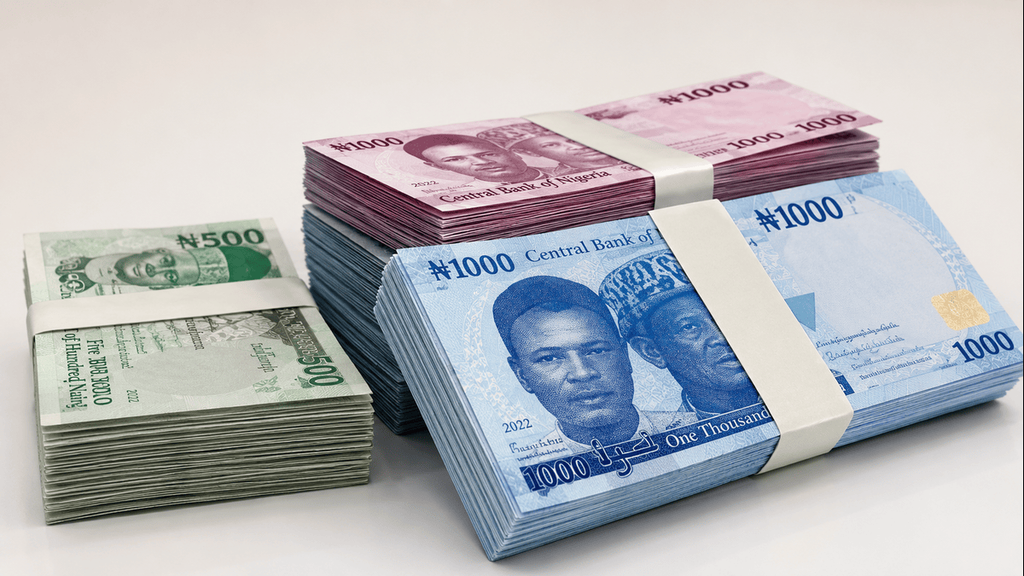
The forecast would extend the naira’s 8% gain so far this year to almost 12%, marking its strongest annual advance since at least 2018. No other year in that eight-year window has produced a comparable full-year improvement.
Two forces are driving the currency’s recovery, analysts say. Rising dollar inflows from higher oil prices and remittances are helping insulate the naira from political risks usually associated with its election season. Both factors are pulling in the same direction at the same time.
Nigeria recorded $947 million in remittance inflows through International Money Transfer Operators in July 2026, the highest monthly inflow ever recorded through formal channels, according to data cited by BusinessDay. That figure approaches the $1 billion monthly target set by the Central Bank of Nigeria, underscoring how close the country is to a milestone that would have seemed distant just a few years ago.
IMTO inflows reached $3.8 billion in the first seven months of 2026, representing a 50.2% increase from the same period in 2025. The scale of that growth means diaspora transfers are no longer a supplementary source of dollars but a structural one.
Average Brent crude prices rose by 5% to $87.26 per barrel in August, with prices moving above $90 per barrel at points, according to data from the Financial Markets Dealers Association. Oil receipts have reinforced the dollar supply that remittances are already providing, giving Nigeria two concurrent revenue streams supporting the same currency outcome.
The stronger inflows have also lifted Nigeria’s external reserves to $53.9 billion, an 18-year high, giving the Central Bank of Nigeria greater buffers to support the naira against future economic uncertainties and potential election-related shocks.
The naira closed at ₦1,329 per dollar on September 1, its strongest position against the US dollar in more than two years. It was the first time the currency traded below the ₦1,330 threshold since May 29, 2024.
The currency could receive an additional boost from Nigeria’s planned return to the FTSE Russell frontier-market equity indexes on September 21, a move expected to improve foreign investor access to the country’s financial markets. That re-inclusion would channel new portfolio flows into naira-denominated assets, broadening the base of demand for the currency beyond oil and remittances.
The naira appreciated by 1.5% in the official foreign exchange market during August, while market turnover rose to $14.68 billion, its highest level in five months. Rising turnover indicates that liquidity in the official window is deepening, not just that the rate is moving.
A stronger naira could ease some pressure on government finances, particularly where dollar-denominated obligations are involved, while potentially helping to moderate imported inflation. Both effects would filter through to consumer prices over time.
Analysts remain cautious because the naira’s outlook will continue to depend on several factors, including crude oil prices, oil production, foreign investment flows, remittances, monetary policy, and political developments ahead of the 2027 general elections. An election cycle remains the most unpredictable variable in that list.
Working against the naira are Nigeria’s high domestic inflation and a firm US dollar. Neither condition has reversed, and both could limit how far the gains extend. The persistence of those headwinds means the currency’s recovery, however notable, is not yet on entirely stable footing.
Maintaining the current momentum will require sustained foreign-exchange inflows and continued confidence in Nigeria’s economic reforms. For now, the naira’s best annual performance in eight years is still within reach.