



President Bola Tinubu and Nigeria’s 36 state governors have agreed to reduce transport fares across the country starting October 1, driven by expanded adoption of compressed natural gas vehicles and electric vehicles as cheaper alternatives to petrol-powered transportation.
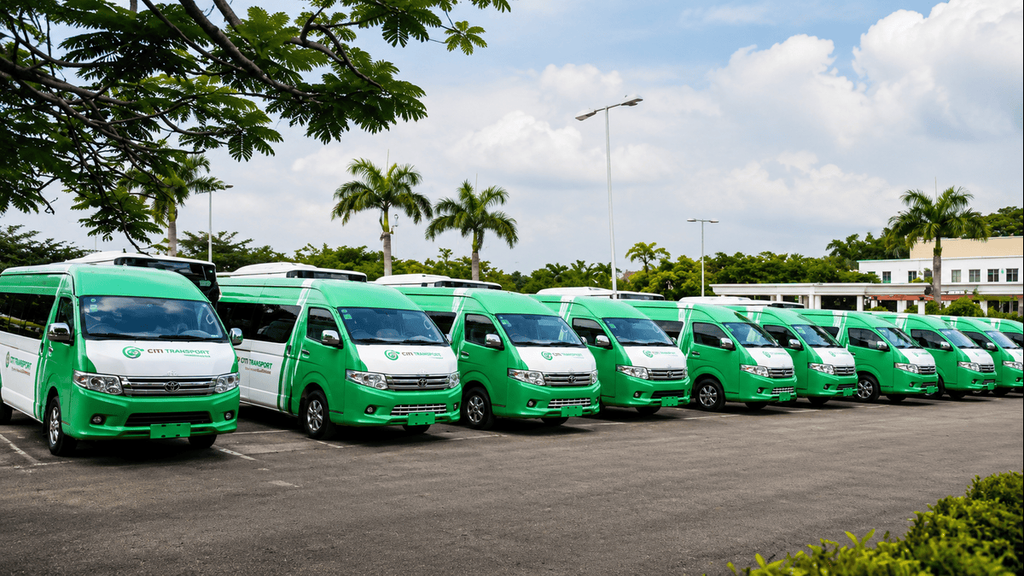
The agreement follows years of economic pressure on Nigerian households since the federal government removed the fuel subsidy in 2023, a policy shift that triggered sharp increases in transportation costs and the general cost of living for millions of citizens across all regions.
More than 120,000 vehicles have already been converted to run on compressed natural gas, according to details from the agreement. CNG cuts fuel costs by 60 to 80 percent compared to petrol, making it a central instrument in the plan to bring down what commuters pay daily.
The federal government and state governments will establish a joint committee to enforce the fare reductions starting on the October deadline. The committee will monitor compliance among transport operators and ensure that the agreed reductions translate into lower costs at the point of payment for passengers.
Authorities plan to expand the CNG refueling network to 1,000 stations nationwide to support the growing number of converted vehicles. The current number of operational stations was not disclosed, but the 1,000-station target forms a central pillar of the infrastructure plan underpinning the fare reduction agreement.

Electric vehicles form the second component of the cleaner and cheaper transport strategy agreed upon by the president and the governors. Both CNG-powered and electric vehicles are expected to carry lower operating costs, which authorities say should allow operators to charge passengers reduced fares.
The joint federal-state enforcement committee will oversee both the CNG expansion program and the electric vehicle component of the initiative. Governors from all states participated in the discussions that produced the October 1 target date for the fare reductions to take effect nationwide.
The 2023 fuel subsidy removal created immediate and sustained transport cost increases that affected workers, traders, students, and other regular commuters across urban and rural areas. The October 1 fare reduction plan represents the federal government’s most direct response to that transportation cost burden to date.
Public reaction to the announcement has varied, with some Nigerians expressing hope that lower fares will ease household expenditure. Others have expressed skepticism about whether the October 1 timeline is achievable and whether enforcement mechanisms will be strong enough to compel transport operators to lower their charges.
The skepticism centers partly on the scale of implementation required before October 1. Converting enough vehicles, deploying sufficient CNG refueling stations, and coordinating enforcement across 36 states and the Federal Capital Territory within the stated timeline presents a significant logistical undertaking for both federal and state governments.
The agreement assigns shared responsibility to state governments, making governors direct participants in the enforcement structure rather than observers. That arrangement is designed to create accountability at the sub-national level and reduce the risk that fare cuts agreed at the federal level fail to reach individual transport routes.
CNG adoption has expanded across several Nigerian states in the period following the subsidy removal, as operators sought ways to manage higher fuel costs. The 120,000 converted vehicles figure indicates that a base of CNG-compatible vehicles already exists on which the October 1 policy can immediately apply.
The 60 to 80 percent fuel cost reduction that CNG delivers compared to petrol represents the economic case that federal and state authorities are using to justify the fare reduction target. Operators running on CNG carry lower input costs, and the joint committee is expected to use that differential to set and enforce reduced fare benchmarks.
The October 1 date carries national significance in Nigeria as Independence Day, the anniversary of the country’s independence in 1960. The government’s selection of that date for the transport fare reduction to begin links the policy milestone to a date of established national importance for Nigerian citizens.
The joint committee structure, the 1,000-station CNG refueling target, and the 120,000 converted vehicles baseline together form the operational framework through which Tinubu and the governors intend to deliver lower transport fares to Nigerians from October 1.