



For the official launch of World Breastfeeding Week 2026, Government officials, health workers, nursing mothers and traditional rulers gathers in Jos this week. The event, held at the Plateau State Secretariat, drew a full hall of community mobilizers, fathers with infants, and representatives from UNICEF as banners bearing the theme “Breastfeeding for a Sustainable Start in Life: Strengthen What Works” lined the venue.
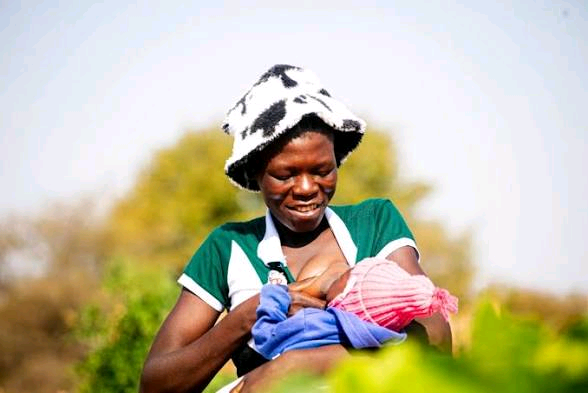
The Plateau State Government, in partnership with UNICEF and local health authorities, used the launch to call for stronger support systems around infant feeding, starting at home and extending to workplaces.
Moving Beyond Mothers
For years, child nutrition was largely discussed as a mother’s responsibility. Plateau is changing that narrative.“We always encourage both parents to engage. It’s not just about feeding; it’s about long-term child development. And many families are responding positively,” said Yerima Jacob, Chief Nursing Officer at the Primary Healthcare Centre, Bukuru Expressway.
That involvement is already visible. Eric Jimwan, a first-time father who attends clinic sessions with his wife, said: “My wife and I have been attending clinic sessions together since her pregnancy. I ensure we follow the nutritional advice and provide the recommended local foods for our baby’s feeding.” Their child was exclusively breastfed for six months and has remained healthy. “The outcome has been tremendous,” Jimwan added.
Federal policy is backing the shift, with 112 days of paid maternity leave and daily breastfeeding breaks for nursing mothers in federal service, plus 14 days of paternity leave.

Funding, Data, And Early Results
Plateau’s campaign is anchored in real investment and measurable outcomes. The state government released ₦200 million for nutrition, matched by another ₦200 million from UNICEF through the Child Nutrition Fund. The joint fund is supporting the distribution of Small Quantity Lipid-Based Nutrient Supplements, SQ-LNS, to children aged 6 to 11 months across all 17 LGAs.
“The state government’s ₦200 million, matched by another ₦200 million from UNICEF, demonstrates a strong partnership. We are seeing real impacts on child health and hope to expand coverage to children up to 23 months in the near future,” said Silas Nansel, Plateau State Nutrition Officer.
Mothers are reporting improvements. “When my baby started receiving the nutrients, she gained weight from six kilograms to eight kilograms. She also began crawling and holding things for the first time,” said Planang Wisituwe, a beneficiary mother in Jos South.

The need remains urgent nationally. According to the 2021 Nigeria Multiple Indicator Cluster Survey, only 34% of children under 6 months in Nigeria are exclusively breastfed, and nearly 37% of children under 5 are stunted. Health officials say Plateau’s malnutrition indicators remain close to the national average, underscoring the need for sustained intervention.
Speaking at the launch, Wafaa Saeed, UNICEF Nigeria Country Representative, stressed the broader impact: “Breastfeeding is not just a health intervention. It is an investment in human capital. When we support mothers and families, we are building stronger, healthier communities.”
Workplaces And Communities Must Step Up
A central focus this year is creating breastfeeding-friendly workplaces. The Federal Ministry of Health and Social Welfare said employers should provide lactation rooms, crèches, and flexible schedules so mothers do not have to choose between work and breastfeeding. The Plateau First Lady, present at the launch, urged markets, private companies, and government offices to adopt similar standards. Traditional rulers in attendance pledged to take the message to communities and wards.
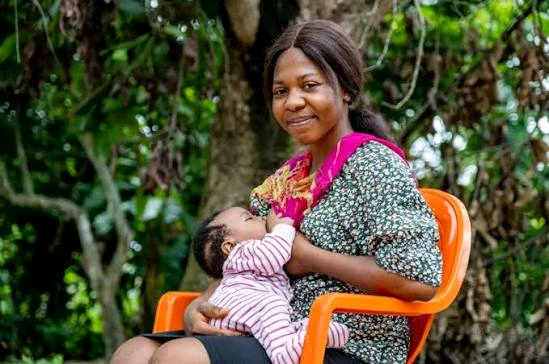
Community mobilization is already driving uptake. Paula Manaam Hata, Focal Person for Primary Health Care, Jos South LGA, said: “All wards are now participating. Community mobilizers inform mothers of distribution days every Wednesday, and uptake has been high across the local government area.” Health workers also encouraged families to incorporate nutritious locally available foods into children’s diets after the first six months.
Scaling For The Future
The state has taken delivery of over 5,000 cartons of complementary feeding supplies to support 80,000 children aged 6 to 23 months for five months. Hon. Adams Lekshak, Commissioner for Budget and Economic Planning, described it as “the beginning of a longer journey” that requires consistency.
Officials plan to expand SQ-LNS coverage to children up to 23 months as supplies allow. With more than 141,000 children estimated eligible statewide, sustained funding and community ownership will be critical. Closing the launch, the Federal Ministry of Health and Social Welfare reaffirmed the national stance: “Breastfeeding remains the foundation of lifelong health. It provides optimal nutrition for infants, strengthens immunity, supports healthy brain development, improves child survival, and contributes significantly to human capital development and national productivity.”
As World Breastfeeding Week 2026 continues, Plateau State says it will sustain collaboration with UNICEF and other partners to expand nutrition services, while encouraging families, employers and communities to play a more active role in protecting child nutrition.