


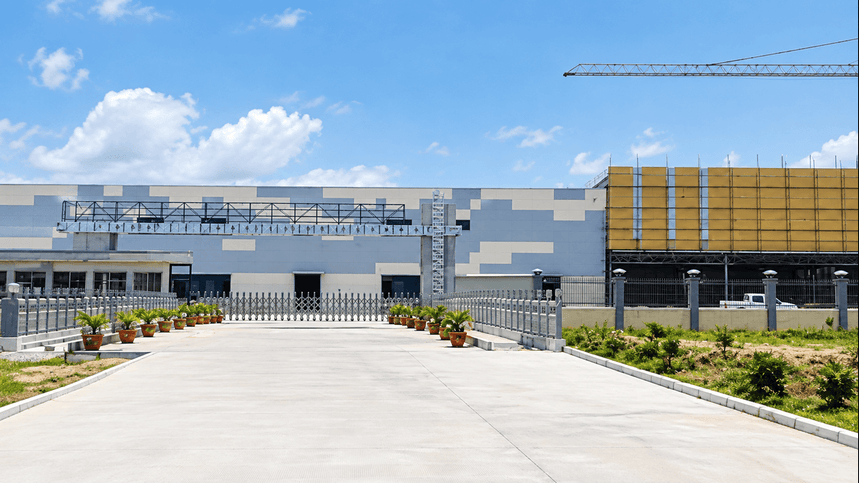
A Chinese firm has received federal government approval to establish dedicated spare parts markets in Lagos and Kano, a move that signals a significant shift in how Nigeria manages its automotive and machinery components trade.
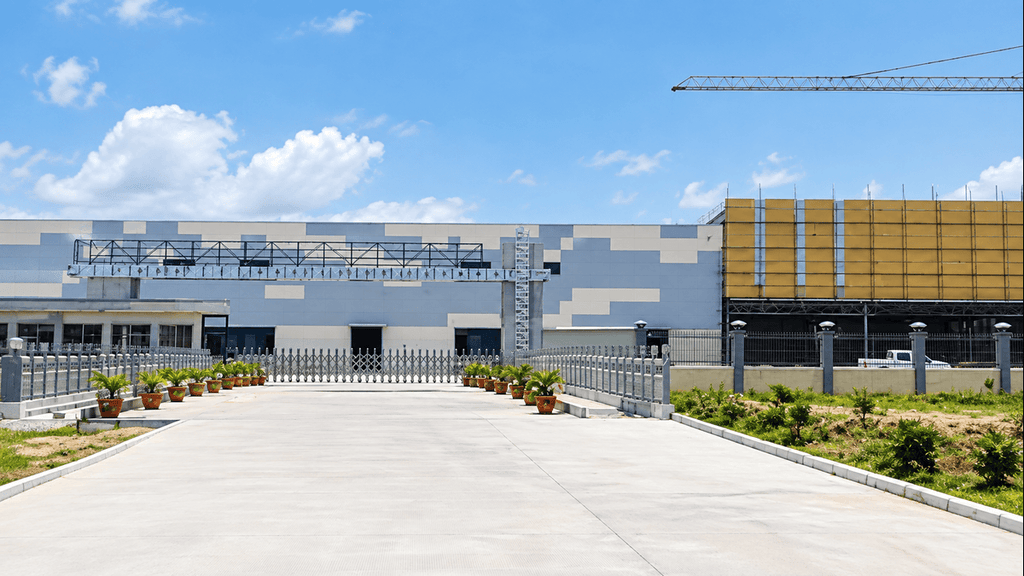
The approval, granted by federal authorities, positions the unnamed Chinese company as the first foreign entity to receive such a mandate to set up and operate structured spare parts trading hubs in two of Nigeria’s busiest commercial cities.
Details of the specific terms, timelines, and the identity of the Chinese firm were not immediately available, but sources familiar with the arrangement confirmed that formal clearance has been granted for the project to proceed.
Chinese Spare Parts Markets Set to Reshape Nigeria’s Auto Parts Trade
Nigeria’s spare parts sector has long operated through sprawling, largely informal markets, from Lagos’s Ladipo to Kano’s Sabon Gari, where millions of naira change hands daily with little regulatory oversight.
The entry of a government-approved Chinese firm into this space carries weight. China already dominates Nigeria’s spare parts import pipeline, supplying a substantial share of the vehicle components, generators, and industrial machinery parts that keep Nigerian commerce moving.
A formally structured Chinese-backed market could bring inventory systems, standardized pricing, and warehousing infrastructure that the current informal ecosystem lacks. That, on paper, sounds like progress. Whether the reality matches the promise is the question traders will be watching closely.
Small-scale spare parts dealers who populate Ladipo and Trade Fair in Lagos, or Sabon Gari in Kano, are the ones most likely to feel the pressure first. These are traders who built businesses over decades without government support or foreign capital. The arrival of a state-sanctioned Chinese competitor with supply chain advantages is not a welcome development for everyone.
Kano and Lagos: Why These 2 Cities Are the Target for Spare Parts Investment
The choice of Lagos and Kano is not accidental. Lagos is Nigeria’s commercial capital and home to the highest concentration of vehicles, workshops, and spare parts demand in the country. Kano is the North’s largest economic hub and the gateway through which goods move into landlocked neighboring countries, including Niger, Chad, and Cameroon.
Together, the two cities account for a commanding share of Nigeria’s spare parts retail and wholesale activity. Any firm that controls structured market space in both cities sits at the center of national supply.
For a Chinese company, this is not just a trade play; it is a strategic foothold. China has steadily expanded its commercial presence across Nigeria through telecommunications infrastructure, construction, manufacturing, and now, potentially, retail market infrastructure.
The federal government’s willingness to approve this arrangement reflects Abuja’s broader posture toward Chinese investment. Nigeria has, over the past decade, deepened bilateral ties with Beijing across multiple sectors, and this approval fits that pattern.
What Traders and Industry Watchers Are Saying
The spare parts trade in Nigeria employs hundreds of thousands of people directly and millions more indirectly: mechanics, logistics operators, touts, and small retailers whose livelihoods depend on the informal structure as it currently exists.
Trade unions and spare parts dealer associations have not yet issued formal responses to the approval. Given the sensitivity of foreign encroachment into a sector long dominated by Nigerian small business, a reaction is likely.
The government has not publicly explained how it intends to protect existing traders from displacement, whether the new markets will operate as wholesale hubs that dealers can source from, or whether the Chinese firm will compete directly at the retail level.
Those distinctions matter enormously. A wholesale model that lowers costs for Nigerian traders is one thing. A vertically integrated retail model that cuts local dealers out is another entirely.
Federal authorities had not responded to requests for further clarification as of Monday. The Chinese firm’s local representatives, if any exist, were not identified in available information.
What is clear is that the approval has been granted. Two of Nigeria’s most commercially active cities are about to host a new kind of spare parts market. Whether that changes the game for traders on the ground or simply changes who controls it remains to be seen.