


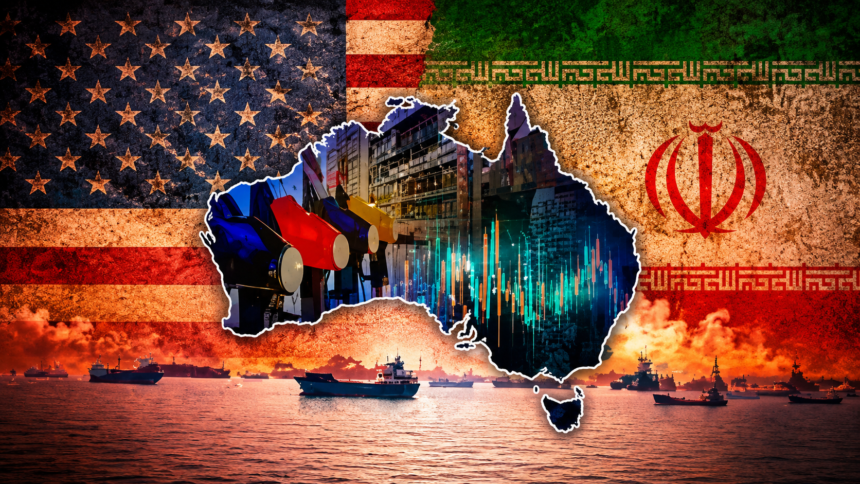
Markets React As Diplomatic Channels Go Quiet
The fragile calm between Washington and Tehran appears to have collapsed. On Thursday, the White House issued a stark statement declaring that the “Ceasefire is Over” in its standoff with Iran.
The announcement, immediately rattled global markets and raised fears of renewed confrontation in the Middle East.
While details of what triggered the shift remain limited, the language from Washington signals a hardening of position after weeks of back-channel talks aimed at de-escalation.
From Talks To Tension
For most of June, both sides had been engaged in indirect negotiations through European and Gulf intermediaries. The goal was to contain proxy clashes in the region and prevent a wider conflict. Those efforts now appear stalled.
The White House statement did not outline new military actions, but its tone was deliberate. By publicly announcing the end of the ceasefire framework, US officials are signaling to allies and adversaries that restraint is no longer the default posture.Iran has not issued an official response as of press time. However, state media in Tehran has been running coverage of US “aggression” and has warned of consequences if Washington moves further.
Markets And The Region React
The announcement had an immediate effect on oil prices and global markets. Brent crude ticked up as traders priced in the risk of escalation in the Gulf. Analysts say any direct clash between the US and Iran would have ripple effects on shipping, energy costs, and regional stability.
US allies in the region, including Saudi Arabia and the UAE, have urged restraint. European capitals are also watching closely, with diplomats working to keep communication lines open.
Military analysts note that both sides have significant assets in the region. The US maintains a large naval presence in the Gulf, while Iran has proxy groups across Iraq, Syria, Lebanon and Yemen. The risk, experts say, is not necessarily a declared war, but a miscalculation that spirals.
The White House has not announced new sanctions or strikes, but officials say “all options remain on the table.” That phrase, often used before major policy shifts, is being read in Tehran and in European capitals as a warning.
For now, diplomatic channels are described as “quiet.” The question is whether they reopen before the situation deteriorates further.
With the Middle East already dealing with multiple flashpoints, the collapse of the US-Iran ceasefire adds another layer of uncertainty to global security in mid-2026.
We will continue to monitor official statements from Washington, Tehran, and the UN as this story develops.


