


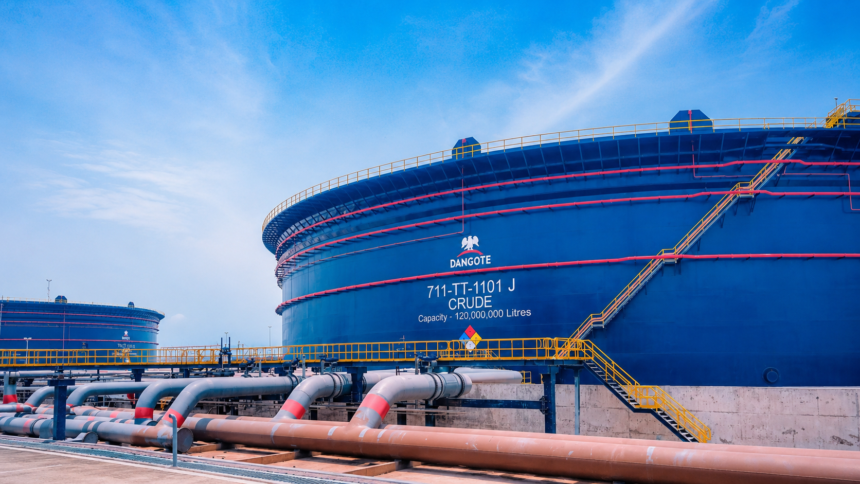
The Dangote Petroleum Refinery is back in the headlines as another round of price cuts hits the downstream sector. But while aviation fuel and ex-depot petrol prices are falling, millions of Nigerians say they’re yet to feel the impact at filling stations.
The 650,000-barrel-per-day plant in Lekki has become Nigeria’s biggest conversation starter on fuel costs since it began operations. This week’s moves are reigniting both hope and frustration.
Latest Cuts: Jet Fuel Down, Petrol Ex-Depot Drops ₦75
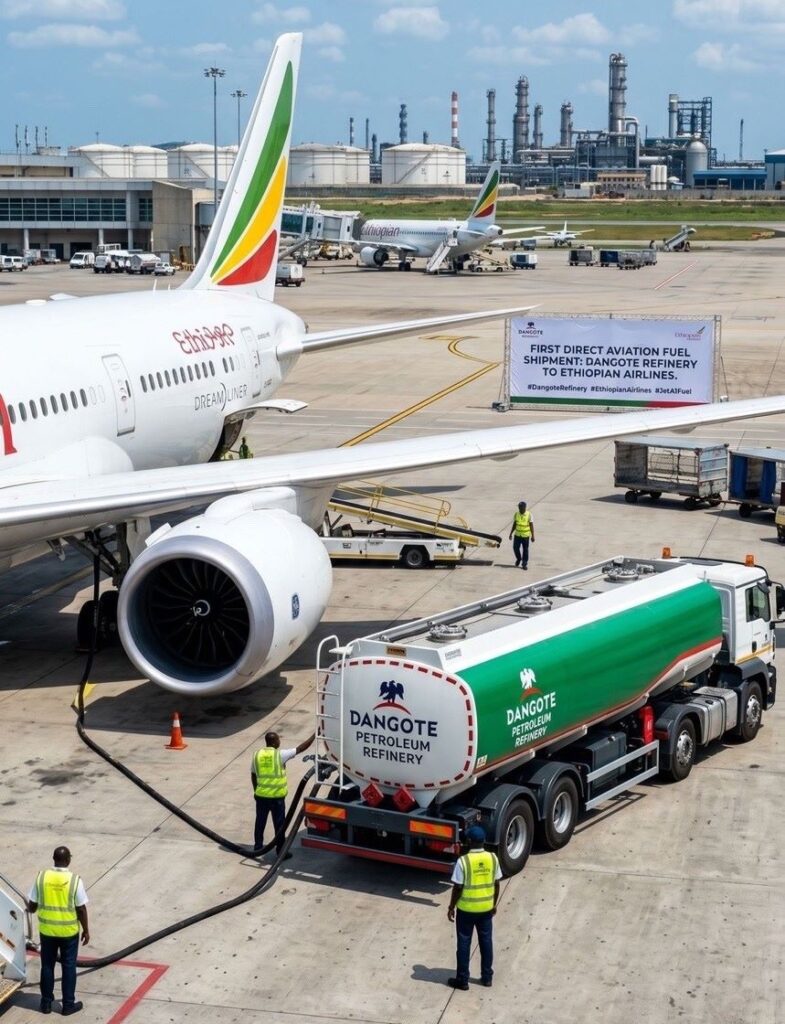
Dangote Refinery confirmed it lowered its jet fuel/Aviation Turbine Kerosene price to ₦1,450 per litre, down from ₦1,550. The cut follows earlier reductions in diesel and petrol, which industry players link to falling global crude oil prices after Middle East tensions eased.
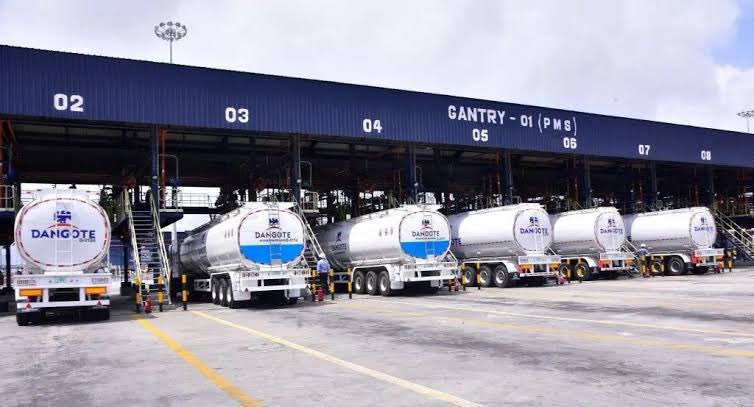
For petrol, the refinery cut its ex-depot gantry price by ₦75 per litre – from ₦1,250 to ₦1,175 per litre. That’s the price marketers pay before logistics, dealer margins, and retail markups.
“The decision was influenced largely by falling global crude oil prices following the easing of geopolitical tensions in the Middle East,” industry analysts noted. The Irony: Pump Prices Remain High, Here’s where public frustration is building.
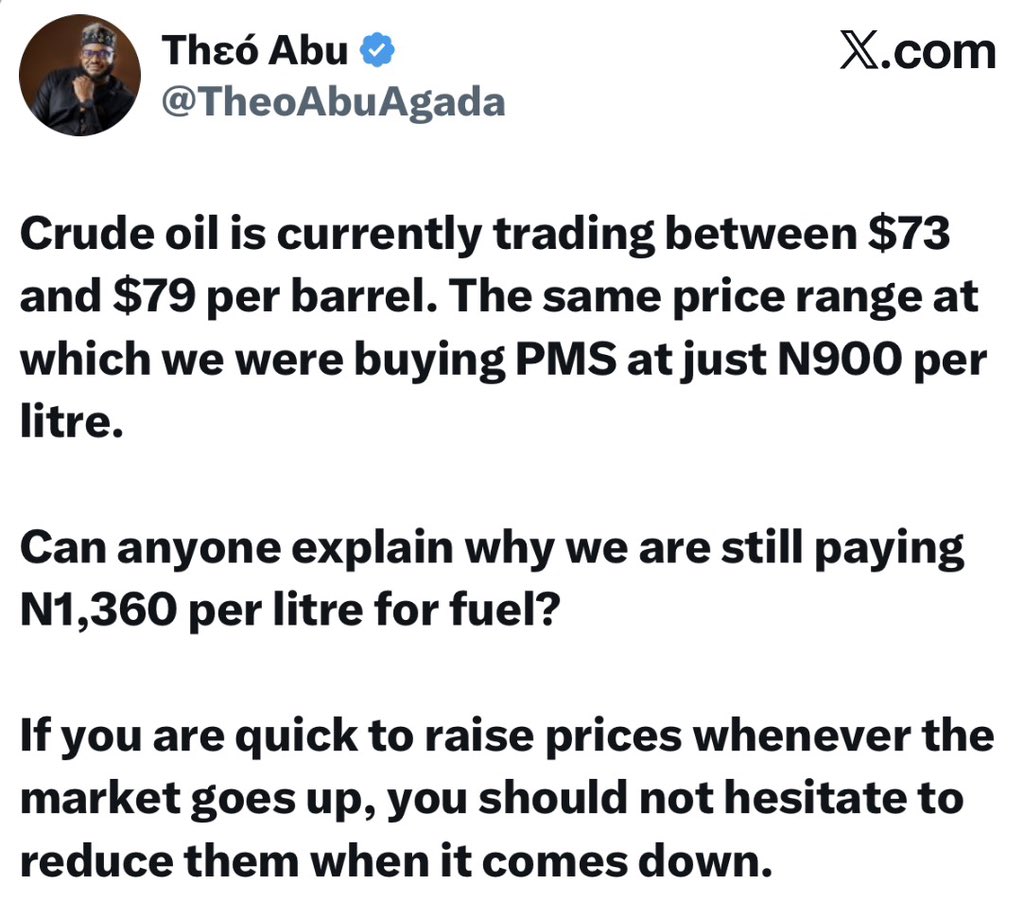
Despite Dangote’s cuts, retail petrol still sells between ₦1,200 and ₦1,370 per litre in most cities, depending on location and marketer.That gap between ex-depot price and pump price has sparked outrage online.
Many Nigerians are asking: if Dangote can cut prices, why aren’t filling stations passing it on?
Social Media Reacts: “Why Not ₦300/Litre?”
The announcement triggered heated debate on X/Twitter:
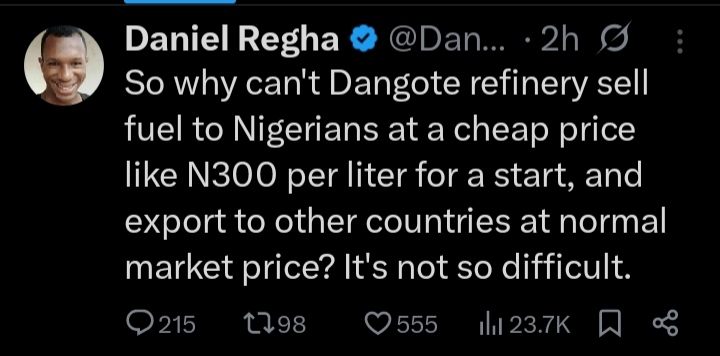
Daniel Regha @DanielRegha: “So why can’t Dangote refinery sell fuel to Nigerians at a cheap price like N300 per liter for a start, and export to other countries at normal market price? It’s not so difficult.” The post pulled 555 likes and 23.7K views within hours, showing how sensitive fuel pricing remains.
Instablog9ja @instablog9ja also amplified the news: “Dangote Refinery Reduces Jet Fuel Price to ₦1,450 Per Litre”.The reactions reflect a wider sentiment: Nigerians expected Dangote’s entry to mean cheaper fuel, not just price adjustments tied to global crude.
What’s Driving the Price Drops?
3 factors are behind Dangote’s recent cuts:
1. Global crude dip: Brent crude prices fell after Middle East tensions cooled, lowering input costs for refineries worldwide.
2. Local competition: Dangote is pressuring NNPC Trading and importers by offering lower gantry prices, forcing the market to adjust.
3. Government deregulation: With subsidy removal, prices now move with crude, exchange rates, and refinery costs.
The Bigger Question: When Will Nigerians Feel It?
Dangote’s refinery was sold to Nigerians as the “game changer” that would end fuel importation and reduce prices. The jet fuel cut to ₦1,450/L and petrol ex-depot drop to ₦1,175/L prove the refinery can adjust faster than importers.
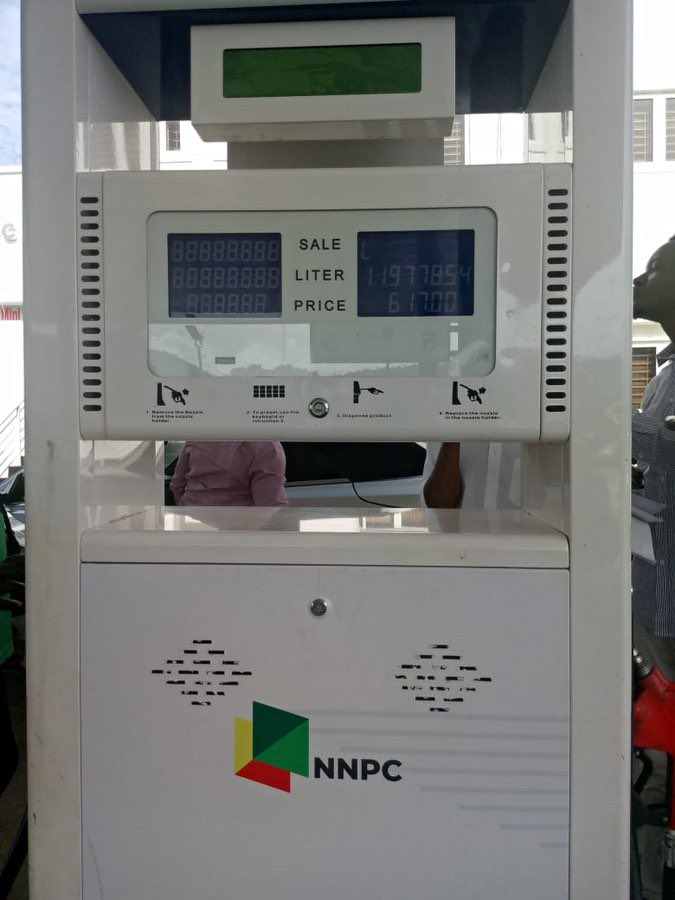
But until retail prices drop significantly, the relief remains theoretical for most commuters, drivers, and small businesses running generators.
Industry observers say 3 things will determine if pump prices fall:
1. Marketers’ margins and logistics costs
2. Exchange rate stability
3. How quickly NNPC and other depots match Dangote’s pricing
For now, Dangote has made its move. The ball is in marketers’ court. And Nigerians are watching.