



Tomato prices across Nigerian markets are set to drop from August 2026 as farmers in Kaduna State say the wet-season harvest is already underway and volumes will push supply up significantly. Farmers in major tomato-producing communities in Kaduna have told reporters that cooler temperatures and consistent rainfall since June have created good growing conditions, and they expect the market to feel the impact by mid-August at the latest.
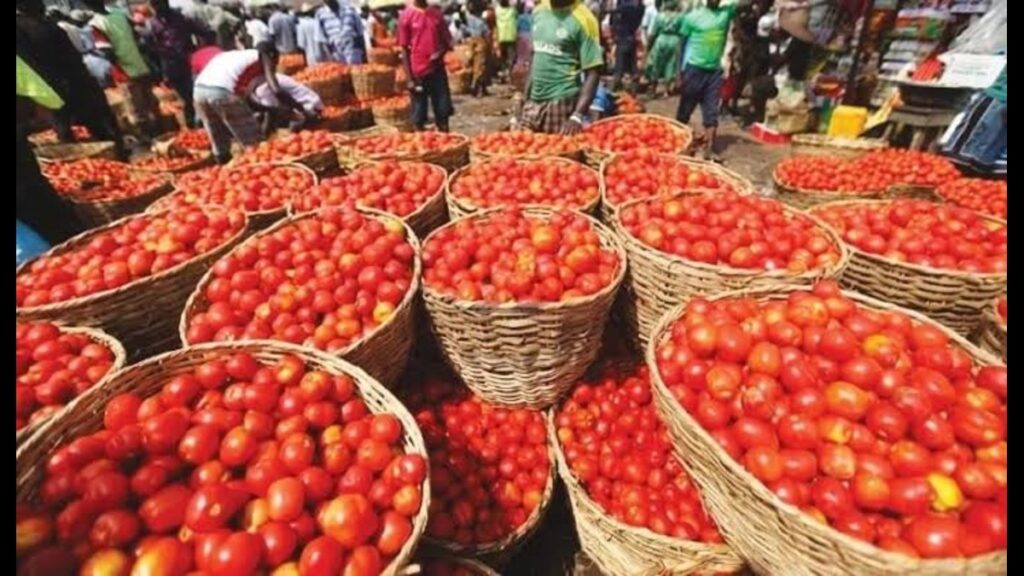
The news comes after months of high tomato prices that have stretched household budgets and pushed up the cost of basic meals across the country. Traders and consumers in Lagos, Kano, Abuja, and other major cities have been paying elevated prices since the dry-season shortfall began earlier in the year.
Kaduna Farmers Signal Coming Price Relief
Farmers in the Kaduna region, which supplies a substantial share of Nigeria’s tomato crop, say the wet-season planting cycle has gone well. One farmer in Makarfi, a tomato-producing area in Kaduna North, told our correspondent that his fields are looking healthy and that he expects to begin harvesting in earnest before the end of July, with the bulk of produce hitting distribution channels by August.
“The rains have been good this year. We planted on time, and the crops are coming up well. By August, there will be plenty in the market,” he said.
A second farmer in Soba Local Government Area confirmed the same timeline, adding that other growers in his cooperative were reporting similar progress. Neither farmer gave specific figures for expected yield volumes, but both said supply this season should be stronger than last year’s wet-season crop.
Agric extension officers working with farming communities in Kaduna told this newspaper that the 2025 wet-season planting has recorded better coverage compared to the same period in 2024, following improved access to improved seedlings and fertilizer through state agricultural programs.
Market Traders Already Watching Supply Chains
In Lagos’s Mile 12 market, one of the busiest tomato distribution hubs in the country, traders say they are aware of the Kaduna forecast and are already adjusting their sourcing expectations. A wholesale dealer who has traded at Mile 12 for over a decade said that whenever Kaduna farmers signal a strong harvest, prices in Lagos markets tend to respond within two to three weeks of the produce arriving.
“Kaduna tomatoes drive this market. When they are harvesting well, the price goes down. It is that simple,” the trader said.
She added that she expects the first wave of wet-season Kaduna tomatoes to arrive in large quantities at Mile 12 between late July and early August, which should begin pulling prices down from current levels.
Retailers in Kano’s Dawanau market, which is closer to Kaduna and often receives produce faster, said they expect to see lower prices sooner, possibly by late July if the harvest progresses on schedule.
What This Means for Processors and Consumers
Tomato paste and puree processors who source from Kaduna will also benefit if the harvest is strong. Several small and medium-scale processors operating in northern Nigeria have been managing tight margins during the dry-season supply crunch, and a stronger wet-season crop could allow them to restock raw material at lower cost.
For ordinary consumers, falling tomato prices would provide some relief at a time when food inflation continues to bite. Tomatoes are a staple ingredient in Nigerian cooking, and their price movement has an outsized effect on household food budgets, particularly in lower-income areas.
The National Agricultural Extension Research and Liaison Services, which monitors crop conditions across Nigeria, has not yet issued an official forecast for the 2025 wet-season tomato crop. This newspaper will follow up with the agency for its assessment.
Farmers in Kaduna caution that the timeline remains dependent on the rains continuing through July. If there is a dry spell before the harvest matures, the August prediction could shift. But as of mid-July 2025, conditions on the ground in Kaduna’s tomato belt are, by the accounts of farmers themselves, tracking well.