


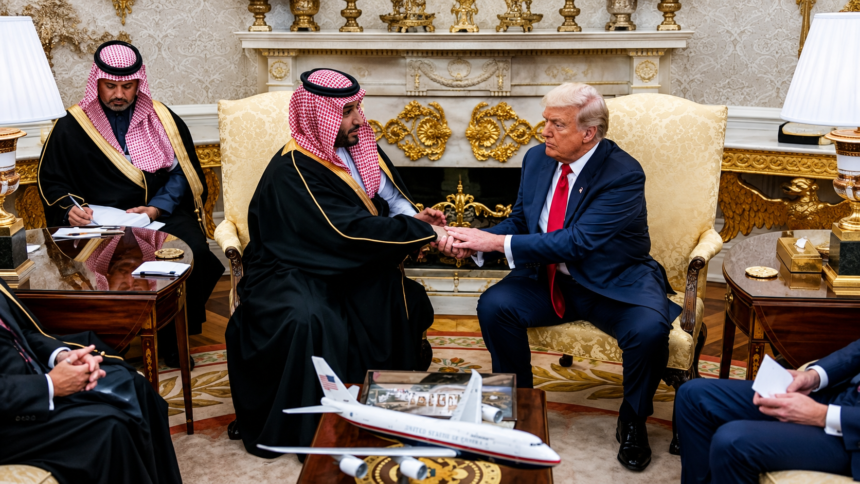
US Pauses Military Action As Diplomacy With Tehran Resumes
US President Donald Trump has announced that planned military strikes against Iran have been shelved as bilateral talks between Washington and Tehran are scheduled to begin today. The move marks a major shift after weeks of rising tensions in the Middle East. While Saudi Crown Prince Mohammed bin Salman urged both sides to prioritize dialogue, Iran described the US pullback as part of Washington’s “psychological operations.”
The decision to pause strikes comes as markets, allies, and civilians across the region watch closely to see if diplomacy can prevent another war.
What Trump Announced
Speaking from the White House on Monday, President Trump said the US was “ready to strike” but chose to hold back to “give peace a chance.” “We had targets locked. We had the planes ready. But I believe talking is better than bombing,” Trump told reporters. He confirmed that a US delegation will meet Iranian officials today in a neutral location in Oman. The talks are expected to focus on Iran’s nuclear program, missile development, and regional proxy activity.
Trump added that the strikes remain “on the table” if talks fail. “This is not weakness. This is strength. We will see what Iran does,” he said. The announcement followed a weekend of intense back-channel negotiations involving Qatar, Oman, and the United Nations.
Saudi Arabia Pushes For Dialogue
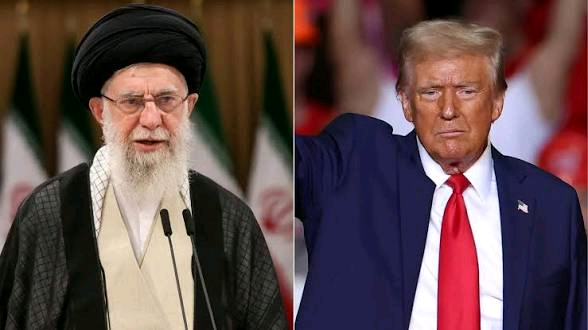
Saudi Crown Prince Mohammed bin Salman welcomed the US decision and called for diplomacy to be the “top priority.”
In a statement released by the Saudi Foreign Ministry, MBS said: “military escalation serves no one. The region need stability, investment and de-escalation. We urge all parties to come to the table in good faith”.
Riyadh has been working with both Washington and Tehran in recent months to reduce friction in the Gulf. Saudi Arabia fears that any US-Iran conflict would disrupt oil shipping through the Strait of Hormuz and trigger attacks on its own infrastructure. Analysts say MBS is positioning Saudi Arabia as a mediator, similar to its role in brokering Iran-Saudi rapprochement in 2023.
Iran’s Response: ‘Psychological Operations’.
Tehran’s reaction was more cautious. Iran’s Foreign Ministry spokesperson said the US decision to shelve strikes was “not a goodwill gesture” but part of Washington’s “psychological operations” to pressure Iran ahead of negotiations.“We do not trust threats that are paused for cameras. If the United States is serious, it must lift sanctions and respect Iran’s rights,” the spokesperson said.
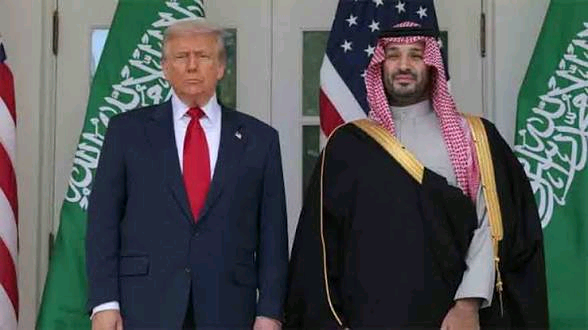
Despite the skepticism, Iran confirmed it would send a delegation to today’s talks. State media framed the meeting as an opportunity to “expose US aggression” while defending Iran’s nuclear and defense programs. The Iranian Revolutionary Guard Corps said its forces remain on high alert but will not initiate hostilities.
Why Tensions Escalated
The crisis began last month after a series of incidents in the Gulf, including drone interceptions and attacks on shipping. The US blamed Iran-backed militias. Iran denied involvement. In response, the Pentagon moved additional naval assets to the region and drafted strike options targeting nuclear facilities and missile sites. Markets reacted with oil prices spiking to $110 per barrel. Israel also increased its readiness, raising fears of a wider regional war.
The decision to pause strikes and open talks appears to have been influenced by pressure from US allies, concerns over oil prices, and warnings from the UN that another Middle East war would have “catastrophic” humanitarian consequences.
What’s At Stake In Today’s Talks
Today’s bilateral meeting is the first direct US-Iran negotiation in over a year.
Key issues on the table include:
1. Nuclear program – Limits on uranium enrichment and IAEA inspections
2. Missile program – Range and testing of Iranian ballistic missiles
3. Regional proxies – Activity of allied groups in Iraq, Syria, Yemen, and Lebanon
4. Sanctions relief – Potential easing of US economic sanctions in exchange for concessions.
Diplomats familiar with the talks say both sides are testing each other. The US wants verifiable limits. Iran wants guarantees that sanctions won’t be snapped back. A senior US official said: “No one expects a deal today. But not shooting is a good start.”
Global Reactions
The EU, China, and Russia all welcomed the pause in military action. UN Secretary-General called it “a window that must not be wasted.” The EU’s foreign policy chief said Brussels stands ready to support the negotiations. Oil prices dropped 4% on the news, easing pressure on global markets. In Israel, officials expressed concern that pausing strikes could embolden Iran, but said they would coordinate closely with Washington.

President Trump’s decision to shelve planned strikes and open talks with Iran has pulled the region back from the brink, at least for now.
With Saudi Arabia backing dialogue and Iran showing up to negotiate despite calling it a “psyop,” the next 48 hours will be critical.
Whether today’s talks lead to real de-escalation or just another pause in a long conflict remains to be seen. For now, diplomacy has replaced missiles.