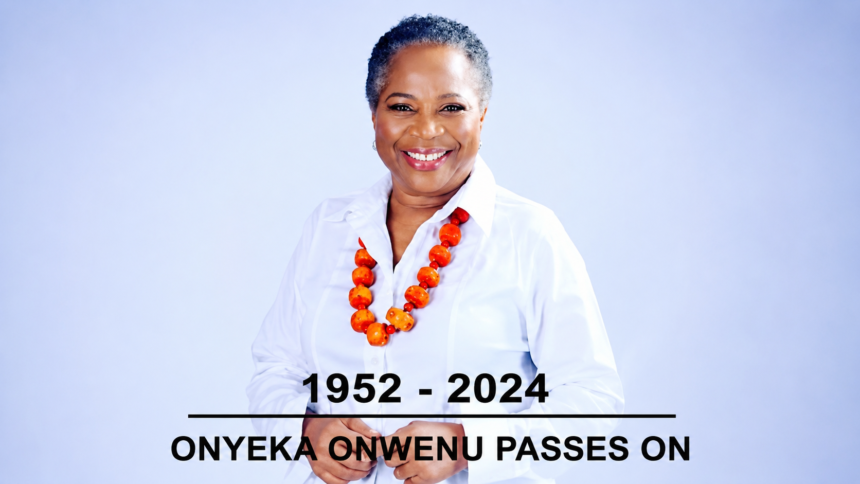
Today marks exactly two years since Nigeria lost one of its most beloved cultural icons, Onyeka Onwenu. The singer, actress, journalist, activist and politician, fondly called the “Elegant Stallion,” passed on July 30, 2024 at the age of 72, and the entertainment industry is once again pausing to celebrate a legacy that continues to shape Nigerian music, film and public life.
A Final Performance That Became Goodbye
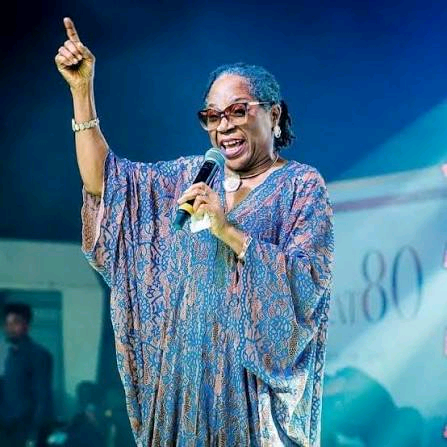
Onyeka Onwenu collapsed shortly after giving what would be her last performance at the 80th birthday celebration of Stella Okoli, founder of Emzor Pharmaceuticals, in Lagos. She was rushed to Reddington Hospital where she was confirmed dead.
Her sons, Abraham and Tijani Ogunlende, later shared that doctors made every effort to save her. “She was rushed to the hospital after an amazing last performance… sadly she passed,” they wrote, describing her as “a national treasure, an icon and legend.”
Former Labour Party presidential candidate Peter Obi, who said he followed her to the hospital, recalled watching doctors battle for over two hours to save her. True to her wishes, Onwenu was buried quietly and privately. Her funeral service was held at Fountain of Life Church, Ilupeju, followed by interment in a vault in Ikoyi. In a 2021 opinion piece, she had asked to “Do it quickly, quietly and privately… Celebrate me with prayers, lunch or dinner afterwards.”
More Than Music: A Life of Many Firsts
Born on January 31, 1952 in Obosi, Anambra State, and raised in Port Harcourt, Onwenu was the youngest daughter of educationist Dickson Onwenu. She studied International Relations and Communication at Wellesley College, Massachusetts, and earned an MA in Media Studies from The New School in New York.
Before music took centre stage, she was a broadcaster with the Nigerian Television Authority, hosting Contact and Who’s On?. In 1984 she wrote and presented the BBC/NTA documentary Nigeria: A Squandering of Riches, an early and bold look at corruption and the Niger Delta crisis.
Her music career began in the 1980s. Debut album For the Love of You arrived in 1981, followed by hits like Masterplan, One Love, and Iyogogo. Her collaboration with King Sunny Ade on Wait for Me in the 1980s became a melodic campaign for family planning, while One Love Keep Us Together in the 1990s became an anthem of unity.
She later transitioned into gospel music and acting, appearing in several Nollywood films. She also served as a judge on X Factor, worked in politics, and championed human rights and social causes.
A Legacy of Unity, Activism and Grace
President Bola Tinubu, in his tribute, called her “the Queen of Songs” and praised her “artistic interventions in promoting the public good”. He said her legacy would “live on in her immortal masterpieces”.
First Lady Oluremi Tinubu described her as “a mother of the nation” whose One Love left “an indelible mark on the world of music, not only in Nigeria but globally”.
From the creative community, tributes poured in. Femi Kuti wrote: “Rest in peace Ma, your beautiful voice will live forever”. Charly Boy noted that “Onwenu’s legacy as a cherished talent and tireless advocate will continue to inspire future generations”. Adewale Ayuba said her “immense contributions to the growth of the entertainment industry would always be revered”.
Edo State Governor Godwin Obaseki called her “sonorous, enigmatic, and enchanting” and “a gift to her generation”.
Beyond fame, Onwenu was known for philanthropy, often donating to causes focused on education, healthcare and women’s empowerment. She was also celebrated for her Christian faith and reputation as a unifying voice.
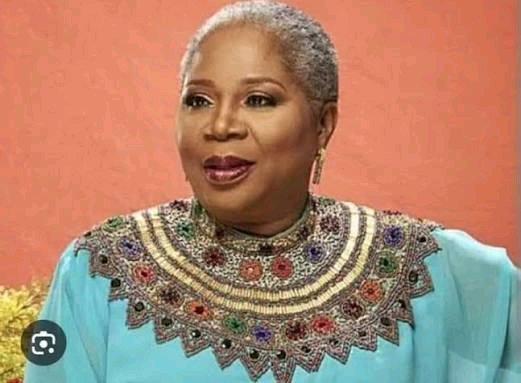
Two Years Later, The Music Still Speaks
Today, industry players, fans and policymakers are marking the anniversary with tributes, playlists and reflections on her impact. Her songs are being replayed across radio and streaming platforms, and cultural groups in Imo and Anambra states are holding memorial concerts.
What stands out two years on is not just the music, but the message. One Love is still quoted in classrooms and at peace rallies. Wait for Me is still referenced in public health campaigns. And her insistence on dignity, unity and service continues to be cited by younger artists and activists.
As President Tinubu prayed, may she “find a place yonder where the music never fades and where there is ‘Dancing in the Sun’”.
Onyeka Onwenu did not just sing to Nigeria. She spoke for it, acted for it, and lived for it. Two years after her passing, the Elegant Stallion’s voice remains one of the country’s most enduring calls to harmony.