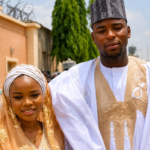



South African Grammy-winning singer Tyla has dropped Lagos from her APOP World Tour after boycott calls over xenophobic attacks on Nigerians in South Africa.

A check on Tyla’s official tour website on Friday showed that the Lagos stop, previously listed for December 22, had been removed from the itinerary. All previously announced dates across Europe, North America, and South Africa remain on the schedule. Nigeria no longer appears on the tour page.
The tour had been unveiled on Monday. Lagos was the only Nigerian stop on the schedule, and the full run was set to conclude with performances in Cape Town on January 4 and in Johannesburg on January 9, marking the end of a wide-ranging international run.
The announcement drew immediate criticism on social media. Some Nigerians called for a boycott of the concert, arguing that no South African artist should perform in Nigeria while reports of attacks on Nigerian nationals in South Africa continued to circulate.
Others rejected the boycott campaign, maintaining that musicians bore no responsibility for political or social decisions made by governments. The debate played out across multiple platforms, drawing responses from public figures and ordinary users alike throughout the week.
On Thursday, activist Martins Otse, popularly known as VeryDarkMan, escalated the pressure by threatening to mobilize members of his Ratel Movement to physically stop the concert if it proceeded.
In a post on his Facebook page, Otse wrote, “TYLA SHOW WILL NOT BE HAPPENING IN NIGERIA.” He directed his message at South Africans, stating that his movement stood in solidarity against promoters and celebrities from South Africa who had not spoken out against attacks on other Africans living there.
Otse’s post included the hashtags NoToXenophobicAttacks and RatelMovement. His position drew both support and criticism from Nigerians who had been following the controversy since the tour was first announced days earlier.
Earlier in the week, Omoyele Sowore, the 2027 presidential candidate of the African Action Congress, publicly opposed the boycott campaign. On X, Sowore wrote that Nigerians should not hold Tyla “vicariously liable for the crimes of xenophobia” and called on supporters to let the Lagos concert proceed.
“Nigerians should direct their anger at their real enemies,” Sowore wrote, adding that “Tyla’s Lagos concert must go on.” His post drew its own round of reaction, with users split between those who agreed with his position and those who sided with the boycott campaign.
The controversy developed against a backdrop of renewed concern over the treatment of Nigerian nationals in South Africa. Reports of alleged xenophobic attacks circulated online during the same period, and one Nigerian national identified as Chika Ibe died in Cape Town.
By Friday morning, the Lagos date was gone from Tyla’s tour page. No statement had been released by Tyla or her management explaining the removal. The concert promoters had also not publicly announced whether the show had been cancelled or postponed.
The absence of any official explanation left the situation unresolved. Ticket holders and prospective concert-goers received no formal communication from any party connected to the tour about the status of the Lagos stop or any plans for refunds.
The removal drew further attention to the broader diplomatic tension between Nigeria and South Africa. Reports of alleged xenophobic attacks had prompted reactions from Nigerian officials and civil society groups in the days preceding the tour announcement.
Sowore’s position represented one side of a public split that the tour announcement exposed. On one side stood those who argued the concert was a cultural and economic opportunity. On the other stood those who treated it as a test of solidarity with Nigerians facing violence abroad.
As of Friday, neither Tyla, her management, nor the concert promoters had offered any public explanation for the removal of Lagos from the APOP World Tour schedule.