

A $537 million United States consulate project in Lagos has split online opinion sharply, with critics labeling the facility a colonial foothold or CIA hub while others defend it as routine diplomatic practice, exposing deep tensions in U.S.-Nigeria relations.
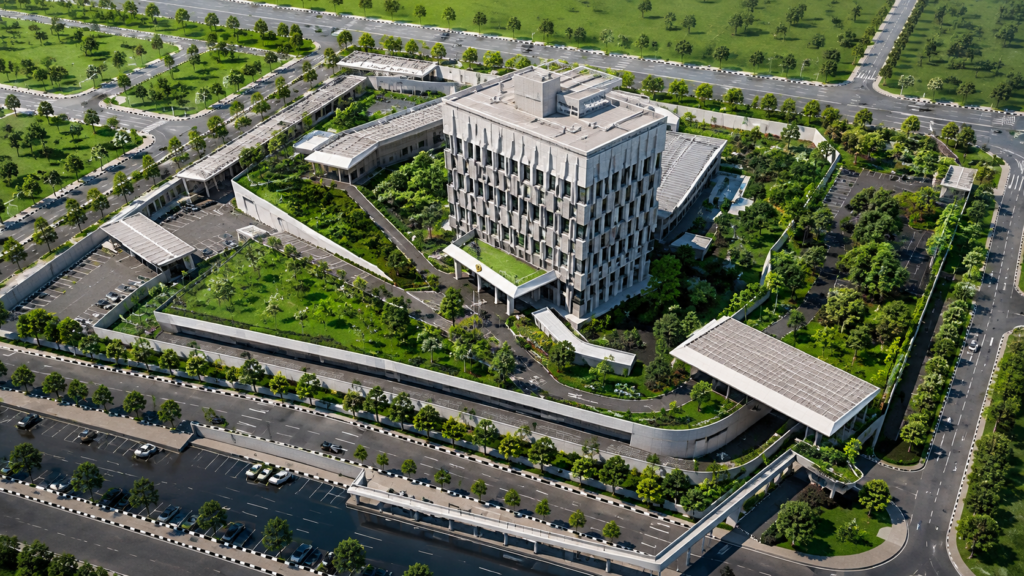
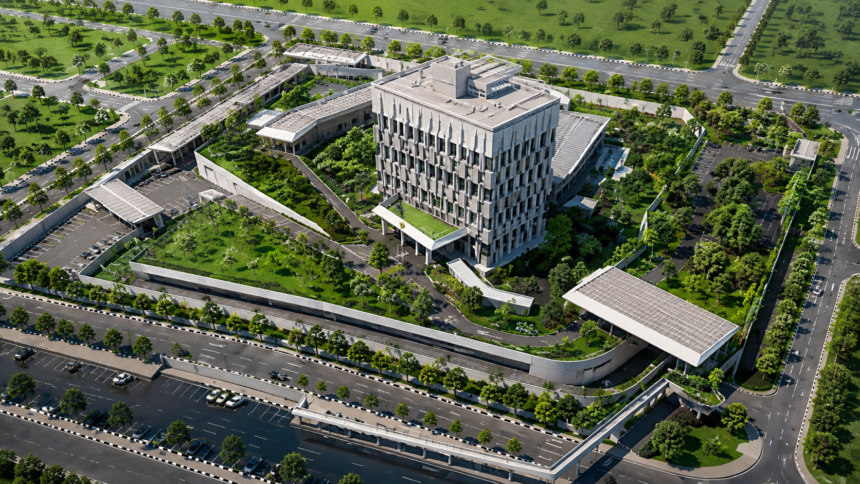
The project broke ground in 2022 and sits on 12.2 acres of land in Lagos. U.S. officials say the facility will serve as a sustainable diplomatic campus designed to improve staff security and strengthen ties between the United States and Nigeria.
U.S. officials confirmed the campus targets completion between 2027 and 2028. The construction timeline spans several years, placing the projected opening date at least one to two years from the current period, according to official statements on the project.
Officials disclosed the consulate is expected to generate 2,500 local jobs during its development and operational phases. The project also carries a projected $95 million in direct economic investment for the Lagos area, U.S. officials stated in project documentation.
U.S. officials described the consulate as a sustainable diplomatic campus. The design, according to officials, prioritizes security for diplomatic staff stationed in Nigeria, which ranks among the most significant bilateral relationships the United States maintains on the African continent.
Online reactions to the project split sharply across social media platforms. A significant portion of commenters described the facility as a colonial foothold, with others characterizing it as a front for Central Intelligence Agency operations inside Nigeria, according to the online discourse tracked on the subject.

Critics pointed to high visa denial rates for Nigerian applicants as a basis for their suspicion. The visa denial argument featured consistently in negative online commentary, with many users citing it as evidence that the consulate serves purposes other than routine diplomatic engagement between the two countries.
Supporters of the project, also active in online discussions, pushed back against those characterizations. They stated the construction of a new consulate campus represents standard diplomatic infrastructure work and does not carry the implications suggested by those raising concerns about colonial intent or intelligence activities.
The divide in public opinion reflects broader tensions in the bilateral relationship between the United States and Nigeria. Those tensions, according to the discourse surrounding the project, extend beyond the consulate itself and connect to longstanding grievances over how the United States engages Nigerian citizens seeking entry visas.
The 12.2-acre site represents a substantial land footprint for a diplomatic mission. U.S. officials positioned the scale of the campus as necessary to accommodate the range of services and security requirements expected of a modern American diplomatic facility operating in a city the size of Lagos.
The $537 million cost places the Lagos consulate among the more expensive American diplomatic construction projects globally. Officials have not publicly broken down the full budget allocation between construction, security infrastructure, and operational setup costs in statements reviewed for this report.

The 2,500 jobs figure covers positions expected to be filled by Nigerian nationals. U.S. officials said the employment component forms part of the broader economic case for the project, alongside the $95 million investment figure cited in supporting documentation for the consulate campus.
Neither the CIA hub allegations nor the colonial foothold characterizations have been addressed directly by U.S. officials in public statements linked to this project. The official position remains that the facility serves diplomatic and security purposes consistent with standard American foreign mission construction programs.
The debate over the Lagos consulate reflects a pattern seen in other countries where large U.S. diplomatic construction projects attract suspicion. High visa denial rates for Nigerian applicants remain a documented point of friction in U.S.-Nigeria relations separate from the consulate construction debate itself.
The $537 million Lagos consulate project, with its 2027 or 2028 completion target and 12.2-acre footprint, continues to generate divided opinion online, with U.S.-Nigeria relations and visa denial rates driving the strongest objections from critics of the facility.