


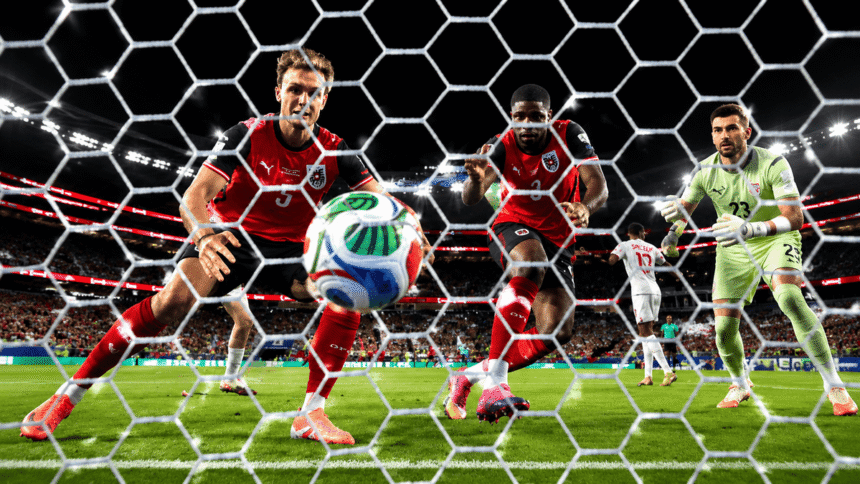
The 2026 World Cup has logged eight own goals in just 10 days of group stage football, putting the tournament on course to shatter the all-time own-goal record in World Cup history.
The eight own goals came across matches played in the United States, Canada, and Mexico, the three co-host nations for the expanded 48-team edition. No single match accounted for the spike. The own goals were spread across different groups, different continents of qualification, and different scorelines.
FIFA has not issued a formal statement on the record pace, but tournament statisticians tracking the data confirmed the trend is unprecedented for the opening phase of a World Cup. The 2018 World Cup in Russia held the previous record for own goals in a single tournament, with 12 registered across the full competition. The 2026 edition has already reached eight before the group stage is half complete.
Analysts say the expanded format is a likely driver. The move from 32 teams to 48 means 16 additional national sides are competing, many of them less experienced at this level. More matches played in the group stage mean more opportunities for the kind of defensive errors that produce own goals.
A tactical analyst who works with a European football federation, speaking on condition of anonymity because he was not authorized to discuss tournament data publicly, said the pressure of a World Cup debut on smaller footballing nations produces exactly these kinds of errors. “Players who have never played in front of crowds this size, under this scrutiny, make decisions they would not make in qualifying,” he said.
The own goal count has also drawn attention because of how some of them happened. Several came from set pieces, where defensive organization broke down. Others came from crosses that defenders could not clear cleanly under pressure from forwards. None of the eight were the result of obvious individual blunders on open play, according to match reports published by FIFA’s official media channels.
The record being chased is specific. If the 2026 World Cup reaches 13 own goals before the final whistle in the title match, it will set a new all-time high for a single edition of the tournament. With the round of 32 and knockout rounds still to play, that target is well within range.
Football statisticians who monitor World Cup data noted that own goal frequency has climbed steadily since 2014. The introduction of VAR has not reduced the count because most own goals do not involve the kind of handball or offside scenarios VAR reviews.
Some coaches have flagged the trend in post-match press conferences. A head coach whose side conceded an own goal in the group stage told reporters it was the result of a set-piece delivery his defenders had not trained to handle. He did not blame any individual player and said the team would review the footage.
FIFA’s technical study group is expected to address the own goal surge in its mid-tournament report, which is typically released before the knockout stage begins. Figures from that report were not immediately available.
The 2026 World Cup own goal story has become one of the statistical subplots of the tournament alongside the goal-scoring records and red card tallies that accompany every edition.
With the group stage still running and 48 teams producing a far larger pool of matches than any previous World Cup, the record looks increasingly likely to fall before the tournament reaches its final weekend.