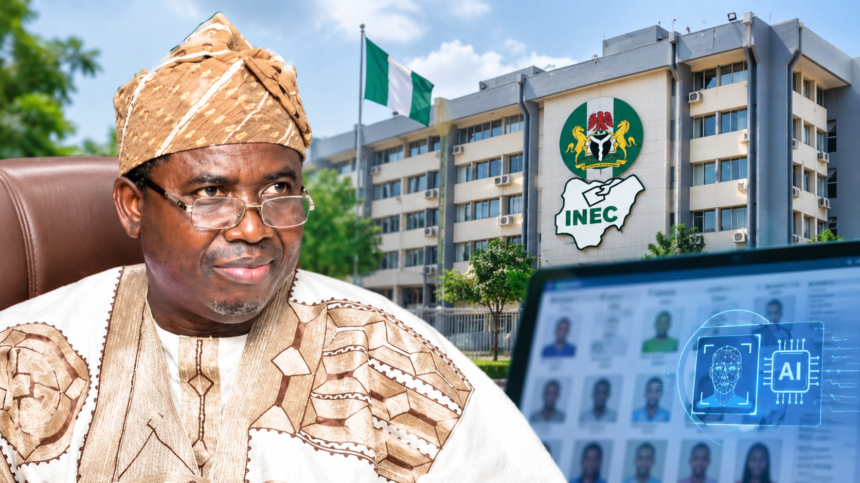
Questions over INEC AI-generated images in Nigeria’s preliminary voters’ register have triggered public concern ahead of the 2027 general elections, after photographs displayed alongside voter records in Edo State were alleged to be artificially generated. The controversy has raised questions about how voter photographs are verified, how registration records are checked and what steps the Independent National Electoral Commission (INEC) will take to address the concerns.
The controversy gained attention on October 26 after housing advocate and property expert Decosule, known on X as @SuleDeco, challenged INEC over photographs appearing in the online preliminary voters’ register.
In a post addressed to the commission, Decosule identified Ward 11 in Etsako West Local Government Area of Edo State and questioned the authenticity of images displayed alongside voter records.
“Dear @inecnigeria can you explain why you have AI Generated images on the INEC Register in polling units in Ward 11, Etsako West LG, Edo State,” the post read.
The user also demanded clarification about who uploaded the photographs, who conducted the registration and whether the individuals associated with the records had collected their Permanent Voter Cards (PVCs).
The post circulated with screenshots from INEC’s online register display portal. The allegations have since drawn attention to the accuracy of the electoral database and the procedures used to verify information submitted during voter registration.
Pat Utomi Raises Concerns Over Electoral Credibility

Political economist and public commentator Pat Utomi also reacted to the allegations, warning that doubts about the register could affect public confidence in the electoral process.
“INEC cannot afford to be careless with the credibility of Nigeria’s electoral process,” Utomi wrote in a post on X.
He added: “The presence of AI-generated images in a register meant to support our democracy raises serious questions about verification, transparency and accountability. Our democracy is at stake here!”
The reaction reflects the significance of the voters’ register in an election. Before ballots are cast, the register helps establish who is eligible to vote and the polling unit where each registered voter is assigned.
Questions about the authenticity of photographs therefore require a clear, evidence-based response. If an image is incorrect, the commission needs to establish how it entered the database and whether the associated registration details are accurate.
At the same time, the allegations should not be treated as proof that the register has been deliberately manipulated. The available public claims do not independently establish who created the disputed images, how they entered the system or whether any affected entry is invalid.
INEC Publishes Preliminary Register Online

The controversy comes as INEC expands public access to the preliminary register ahead of the 2027 general elections.
In an official statement dated October 26, the commission said the physical display of the preliminary register had taken place nationwide from October 9 to 15, 2026. It subsequently decided to publish the same register online to make it accessible to more Nigerians.
The statement was signed by Mohammed Kudu Haruna, chairman of INEC’s Information and Voter Education Committee.
According to the commission, the online publication complements the earlier physical display, while claims and objections arising from the exercise continue to be processed. INEC said the final register was scheduled to be certified and published on December 15, 2026.
The online register gives members of the public another opportunity to examine voter information and identify possible errors. That makes the process particularly important as Nigerians prepare for the next general elections.
However, publishing the register and resolving questions about its contents are two separate matters. INEC’s October 26 statement addressed access to the preliminary register and the processing of objections; it did not specifically explain the photographs highlighted in the social media allegations.
What INEC Needs to Clarify
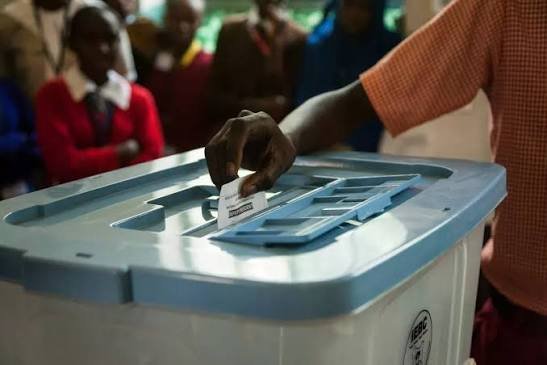
The immediate issue is whether the disputed photographs and the records attached to them can withstand proper verification.
INEC needs to establish whether the images are authentic, whether the affected registrations are valid and whether any technical or administrative errors occurred. If irregularities are confirmed, the commission should explain the corrective steps available under the applicable electoral procedures.
It is also important to distinguish an unusual-looking photograph from a confirmed AI-generated image. Visual suspicion can prompt an investigation, but it is not a substitute for technical examination and verification against the original registration records.
The commission’s response should address the specific entries raised by the complainant rather than only restating its general commitment to credible elections. A clear explanation of the verification process and any findings would help the public understand what happened and what action, if any, is necessary.
The preliminary register’s review process also matters because it provides an opportunity to identify and correct inaccuracies before the final register is certified. The effectiveness of that process will depend on whether concerns can be reported, investigated and resolved appropriately.
Why the Allegations Matter Ahead of 2027
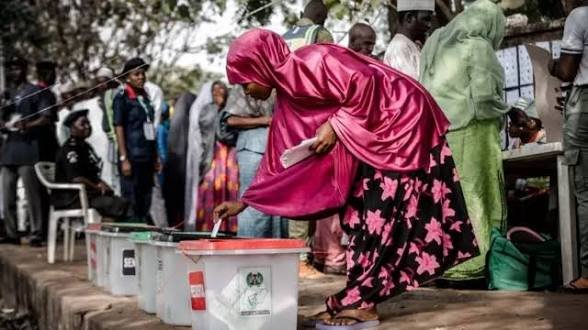
Nigeria’s electoral credibility depends not only on voting and the announcement of results but also on confidence in the records used to organise elections.
If the photographs are found to be genuine and the associated records valid, INEC would need to explain the concerns sufficiently to reassure the public. If errors or fraudulent entries are confirmed, the commission would need to identify their extent and address them through the appropriate procedures.
For now, the central questions remain unanswered in the official statement reviewed for this report: whether the disputed images were generated by AI, how they entered the register and whether the associated voter records are valid.
Until those questions are resolved with evidence, the allegations should remain allegations, not a conclusion that INEC created fake voters or manipulated the register.
The priority is a transparent investigation, a clear response from the electoral commission and an effective process for correcting any verified errors before the final register is published.