Organised labour has maintained its ₦500,000 minimum wage demand, insisting that Nigerian workers need better pay to cope with rising living costs, even as the Federal Government has agreed to provide ₦70,000 monthly transport support for six months.
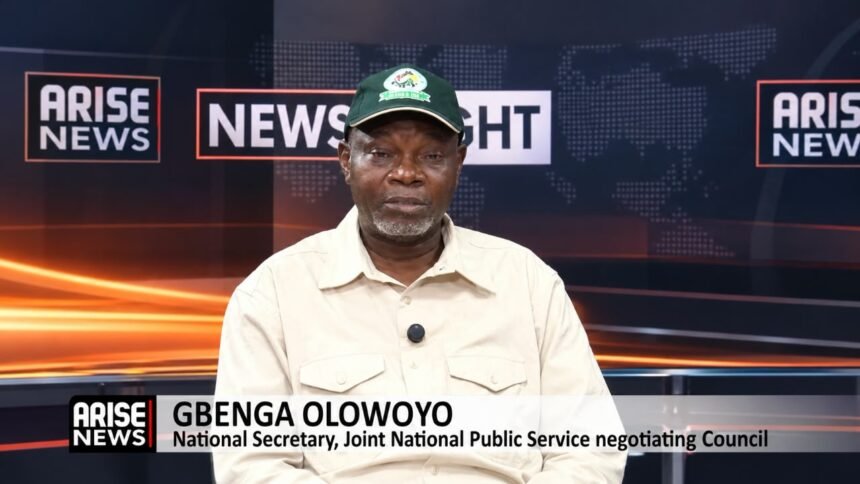
Gbenga Olowoyo, National Secretary of the Joint National Public Service Negotiating Council (JNPSNC), reaffirmed the position during an interview with ARISE NEWS on Tuesday, October 27, 2026. He said labour remained open to negotiations but would not abandon its proposed wage figure.
The development follows discussions between the Federal Government and organised labour over workers’ welfare, higher transportation costs and the pressure of rising petrol prices on household budgets.
Why Labour Still Wants a ₦500,000 Minimum Wage
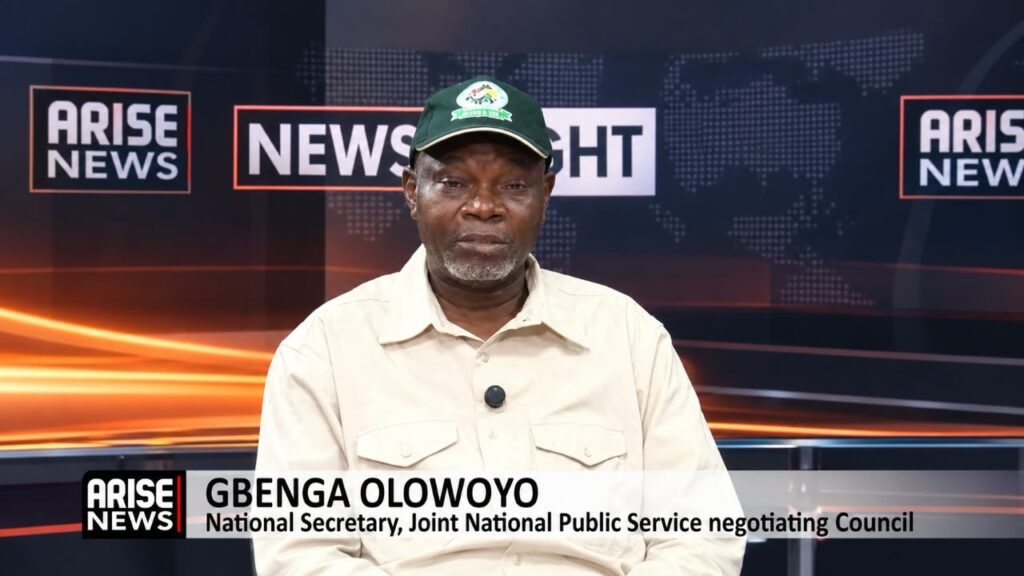
Olowoyo explained that the proposed minimum wage reflects the financial responsibilities workers must meet, including providing for their families, paying school fees and covering other essential household expenses.
For labour, the argument goes beyond the amount workers receive in their monthly pay. The central concern is whether their earnings can adequately cover basic needs amid rising living costs.
Olowoyo made it clear that the union’s position remained unchanged despite the latest agreement with the government.
“The templates of 500,000 Naira is still subsisting,” he said during the ARISE NEWS interview.
However, the labour leader indicated that the figure was a negotiating position rather than an inflexible condition.
He added: “We are not going to be rigid, but at the same time, we’ll be reasonable.”His comments suggest that organised labour is prepared to discuss the final amount with the government while maintaining its argument for a substantial increase in workers’ earnings.
₦70,000 Transport Allowance: What the Government Agreed
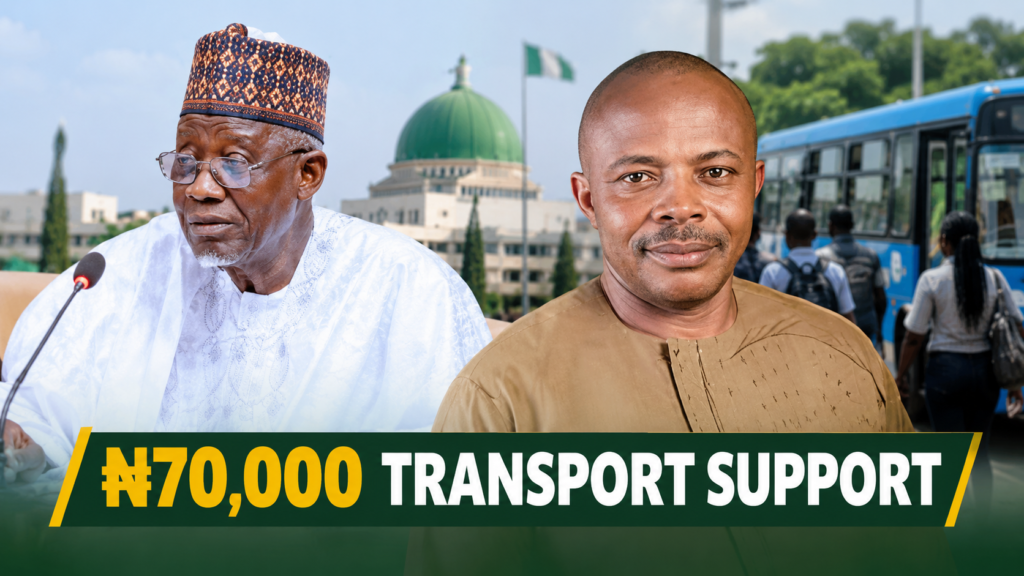
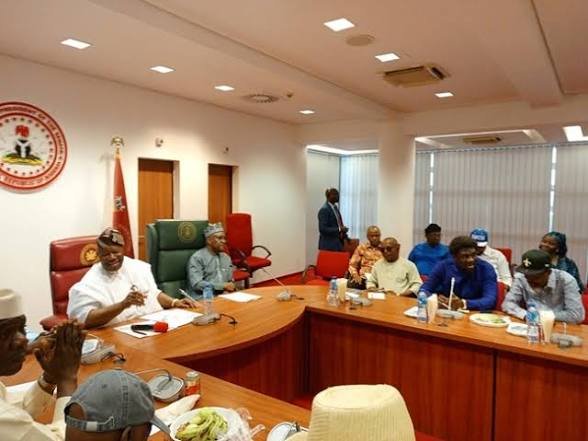
The renewed minimum wage demand comes after a conciliation meeting between the Federal Government and the Nigeria Labour Congress (NLC) in Abuja on Tuesday, October 27.
The meeting produced an agreement for a ₦70,000 transport intervention for workers across all levels, beginning in November 2026 and lasting six months.
The agreement followed discussions on workers’ welfare and measures to ease the effects of rising petrol prices and transportation costs.
Olowoyo welcomed the outcome, describing the negotiations as a positive development.
“I think with the recent development that happened today, the negotiation lasted over six hours, and with the outcome of the meeting, I think it is a good omen,” he said.
He also expressed confidence that the government would implement the agreement, explaining that both parties had committed to its terms.
“We know government is going to implement it because that is commitment already,” he added.
The transport intervention is expected to run from November 2026 to April 2027. It is intended to provide temporary assistance while discussions on workers’ broader demands continue.
However, the ₦70,000 payment is a transport intervention, not a replacement for the proposed ₦500,000 minimum wage.
Minimum Wage Talks Expected to Begin
Beyond the transport support, organised labour wants the government to move forward with negotiations for a new national minimum wage.
According to the resolutions reported after the October 27 conciliation meeting, both parties agreed that a Minimum Wage Negotiation Committee would be constituted and begin meeting immediately. However, they disagreed on the effective date for implementing a new wage.
Olowoyo also said he expected the government to establish a tripartite committee to address the minimum wage question.
A tripartite process brings together representatives of government, employers and workers, providing a framework for negotiations among the parties affected by a wage decision.
The timing matters because labour wants progress before the six-month transport intervention ends in April 2027.
Olowoyo expressed hope that a new minimum wage agreement would be reached within that period, giving the government and labour a window to resolve outstanding issues.
What the Demand Means for Nigerian Workers
The ₦500,000 proposal is a demand by organised labour, not an approved national minimum wage. The amount workers may eventually receive will depend on the outcome of negotiations and the applicable legal process.
For workers struggling with household expenses, the distinction between temporary assistance and a lasting wage increase is significant.
The transport intervention offers short-term support, but it does not settle the wider question of how much workers should earn or when a new minimum wage should take effect.
The agreement also covers other labour issues, including allowances and outstanding payments affecting particular groups of public servants. The meeting’s resolutions set out separate steps for addressing these matters.
Olowoyo said the benefits of the labour agreement should extend beyond the unions initially involved in the discussions. He pointed to the Nigeria Labour Congress’s network of more than 40 affiliate unions, describing workers‘ welfare as a collective concern.
For now, organised labour has maintained its ₦500,000 minimum wage proposal while signalling a willingness to negotiate. The next important development will be the commencement of wage talks and whether the government and labour representatives can agree on a figure that addresses workers‘ concerns.