



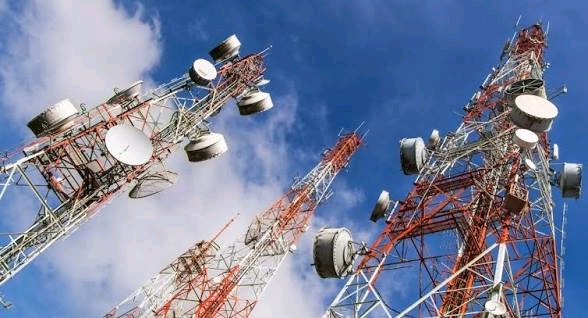
MTN Nigeria has deployed 106 new network sites and upgraded 97 existing locations, bringing its latest network expansion programme to 203 sites across the country. The investment covers 2G, 3G and 4G technologies across Nigeria’s six geopolitical zones and the Federal Capital Territory (FCT), as the telecommunications company moves to improve network capacity, address congestion and accommodate increasing demand for mobile connectivity.
The expansion comes as Nigerians increasingly depend on mobile networks for communication, business transactions, education, entertainment and access to digital services. For MTN, the latest deployment represents another investment in infrastructure aimed at maintaining service quality as data consumption continues to rise.
MTN Network Expansion Covers All Six Geopolitical Zones

The 203-site programme combines two different infrastructure improvements: the construction of 106 new network sites and upgrades to 97 existing facilities.
While new sites extend network infrastructure into additional locations, upgrading existing facilities helps strengthen capacity in areas where the current infrastructure is experiencing increased usage.
According to the company, the investment covers communities across the South-West, South-East, South-South, North-Central, North-East and North-West, alongside the FCT.
The inclusion of all six geopolitical zones makes the rollout a nationwide infrastructure exercise rather than an expansion concentrated in one part of the country.
It also reflects the different connectivity requirements across Nigeria, where densely populated commercial centres, university communities and underserved locations have varying network demands.
The company says the investment is intended to improve service quality, strengthen network capacity and provide a more dependable connectivity experience for customers.
Why MTN Is Investing in More Network Sites

One of the major issues driving telecommunications infrastructure investment is the increasing demand for mobile data.
More Nigerians now depend on internet connectivity for everyday activities, including online learning, digital payments, remote work, video streaming and communication.
As the number of connected users and the volume of data consumed increase, existing network infrastructure must handle more traffic.
This can put pressure on network capacity, particularly in busy locations where several customers depend on the same infrastructure.
MTN’s latest expansion addresses this challenge through a combination of additional sites and improvements to existing facilities.
The distinction is important because constructing new sites and upgrading existing ones serve related but different purposes.
New infrastructure can extend network availability, while upgrades can help improve the ability of existing locations to handle increasing demand.
2G, 3G and 4G Technologies Included

Another important detail is that the investment spans three generations of mobile network technology: 2G, 3G and 4G.
These technologies support different communication and connectivity needs.
While 2G primarily supports basic mobile communication, including voice calls and text messaging, 3G provides mobile internet access, and 4G supports faster mobile broadband services.
By investing across these technologies, MTN is maintaining infrastructure that serves customers with different devices and connectivity requirements.
However, the announcement does not mean that all 203 locations are receiving 4G upgrades or that customers in every covered community will automatically experience the same improvement in internet speed.
Actual network performance depends on factors such as location, available capacity, device compatibility, signal conditions and the number of people using the network.
Rising Data Consumption Makes Network Investment Important
MTN’s expansion also comes against the background of growing data usage across its Nigerian operations.
In its audited 2025 financial results, the company reported that active data subscribers increased by 11.6 per cent to 53.2 million.
Data traffic also increased by 34 per cent, while average data usage per subscriber rose by 20 per cent to 13.08GB.
The company’s 4G population coverage improved by 2.1 percentage points to 84.6 per cent during the same reporting period.
These figures help explain why telecommunications infrastructure remains an important area of investment for the operator.
MTN Nigeria also reported capital expenditure, excluding right-of-use assets, of approximately ₦1.003 trillion in 2025, representing a 126.2 per cent increase from the previous year.
Although this figure covers the company’s broader capital investment and should not be mistaken for the cost of the latest 203-site programme, it provides context for the scale of its infrastructure spending.
What the Expansion Means for MTN Subscribers

For customers, the most important question is whether the additional sites and upgrades will translate into a better network experience.
The improvements are intended to strengthen capacity in areas experiencing increased usage and extend infrastructure into selected underserved communities.
This could support more consistent connectivity for businesses that depend on mobile internet, students accessing online learning resources and individuals using digital platforms for everyday activities.
However, the actual benefits will depend on where the new sites are located and how effectively the upgraded infrastructure performs after deployment.
MTN has not disclosed the individual performance improvements customers should expect, such as specific increases in internet speed or reductions in dropped calls.
The 203-site rollout nevertheless adds to the company’s ongoing efforts to strengthen its network as Nigeria’s dependence on digital connectivity continues to grow.
With mobile internet playing an increasingly important role in education, commerce and communication, the ability of telecommunications operators to expand capacity and maintain reliable infrastructure will remain central to the country’s digital development.