


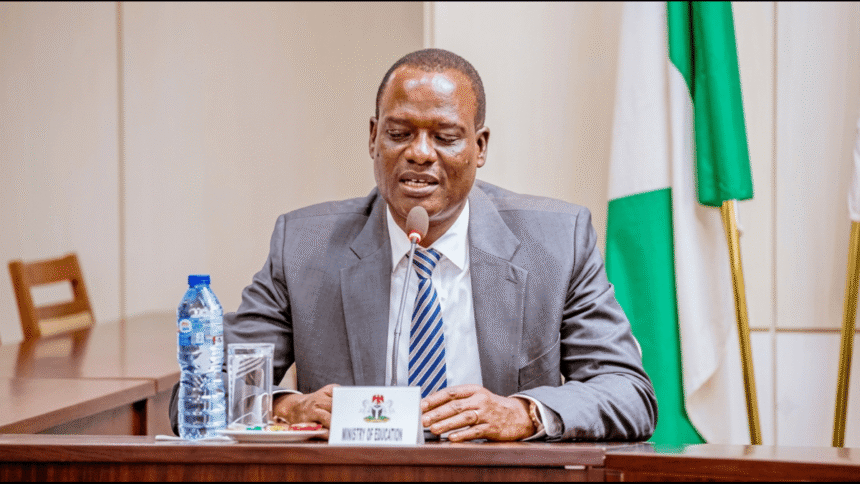
Nigeria’s finance minister has refused to publish a breakdown of how the federal government plans to spend a $5 billion total return swap facility, saying the borrowing will be managed like any other government fund and that specific spending details will not be made public.
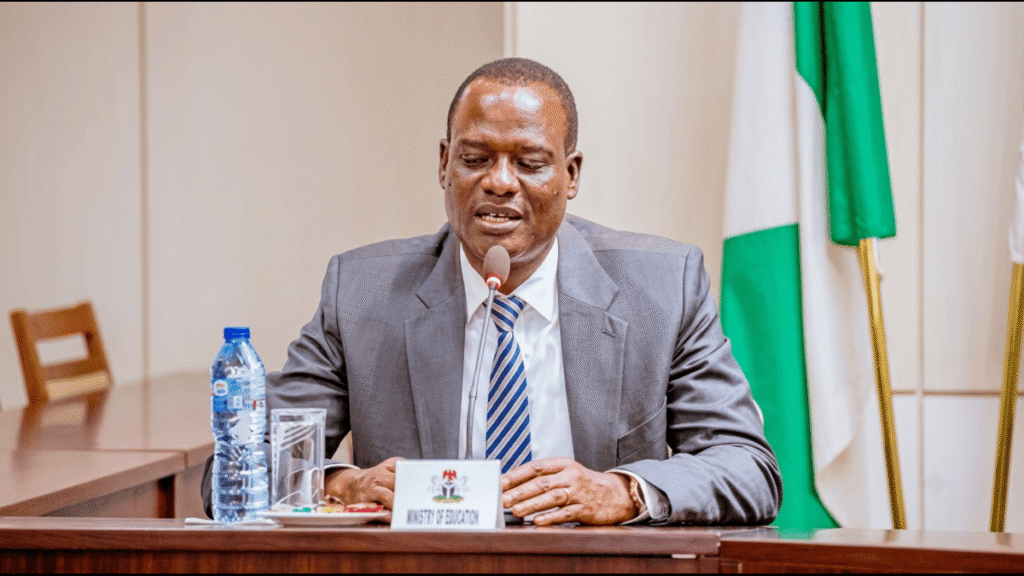
Minister Oyedele told reporters at a media briefing that the federal government would not release specifics on expenditure tied to the total return swap facility. The National Assembly approved the deal on March 31, and officials have since drawn an initial $1.5 billion from the arrangement.
The facility, according to Oyedele at the briefing, is designed to support the 2026 federal budget, fund infrastructure projects, and refinance existing debt obligations. Officials noted that the instrument carries flexible interest rates, distinguishing it from conventional fixed-rate borrowing arrangements the government has previously entered.
Oyedele confirmed the government’s position on transparency by stating that the $5 billion facility would be treated the same as other public funds already managed by the federal government. He disclosed no timeline for publishing a detailed expenditure plan tied to the drawn funds.
The minister noted at the briefing that officials would release a set of frequently asked questions soon, which would provide some level of information to the public about the facility. No date for the release of those FAQs was stated by officials at the briefing.
Officials also pointed to National Assembly approval as justification for proceeding with the facility. The lawmakers’ endorsement, granted on Monday, March 31, was cited by officials as the basis for treating the arrangement through existing government financial management channels.
Nigerians took to online platforms to criticize the government’s position on publishing spending details. Critics on social media argued that taxpayers deserve clear and itemized breakdowns of how such a large public borrowing is being deployed across government priorities.
The online criticism focused specifically on the scale of the facility, with commenters arguing that a $5 billion commitment carries a public accountability obligation that standard government fund management procedures do not automatically satisfy. Officials did not directly respond to those specific objections at the briefing.
The total return swap structure differs from standard government bonds or bilateral loans, and officials noted the flexible rate terms as a feature of the arrangement. No official at the briefing described what benchmarks or conditions govern adjustments to those rates over the life of the facility.
Oyedele stated that the facility would contribute to budget support for 2026, without specifying what proportion of the drawn $1.5 billion had been allocated to the budget versus infrastructure spending or debt refinancing at the time of the briefing.
The debt refinancing component was cited by officials as one of three stated purposes for the facility. No official disclosed which existing debt instruments the government intends to refinance using proceeds from the Total Return Swap facility approved by lawmakers.
Public borrowing transparency has remained a recurring concern in Nigeria, where large external financing arrangements have drawn scrutiny from civil society and commentators. The $5 billion facility has intensified that conversation following Oyedele’s briefing statements on spending disclosures.
Officials gave no indication at the briefing that the government would revisit its position on publishing spending details before the FAQs are released. Oyedele confirmed the ministry’s stance would remain consistent with how other government funds are handled publicly.
The initial draw of $1.5 billion represents the first tranche of the total $5 billion facility. Officials did not state a schedule for drawing the remaining balance or identify conditions that would trigger subsequent disbursements from the approved arrangement.
Nigeria’s finance minister confirmed that the $5 billion Total Return Swap loan remains active and that the government will continue managing it through standard channels, with no detailed public spending breakdown planned beyond the forthcoming FAQ document officials promised at the briefing.


