

Nigeria’s Finance Minister Taiwo Oyedele has confirmed that Nigeria secured a World Bank loan after Nigerians flooded the World Bank’s social media pages with hostile comments opposing the borrowing, causing the institution to disable comments on the posts.
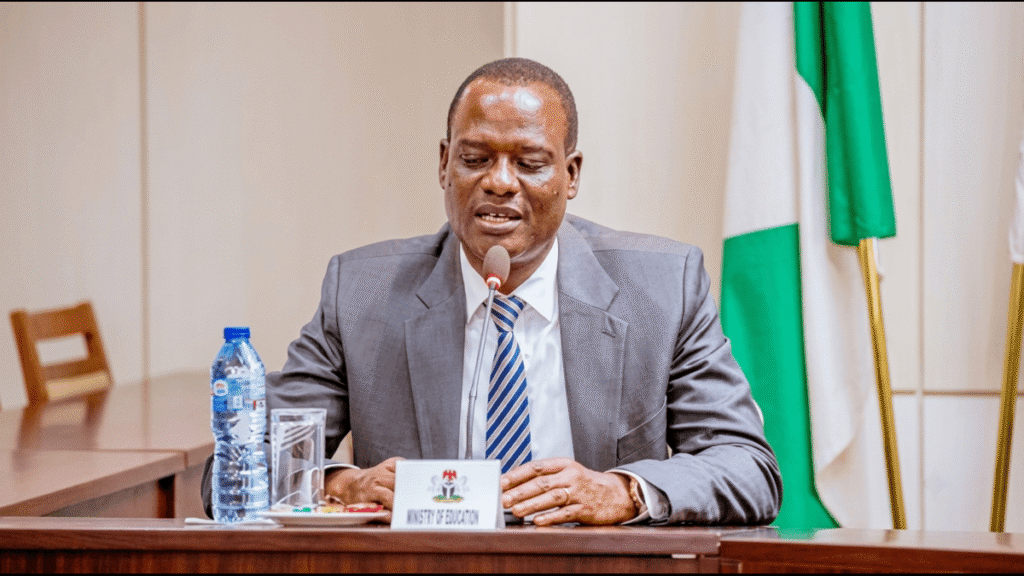
Oyedele disclosed that members of the public went to the World Bank’s social media accounts and directed abuse at the institution over its decision to give Nigeria a loan. The World Bank subsequently switched off the comments section on the relevant posts.
The minister stated that despite the public backlash and the disabling of comments on the World Bank’s social media pages, Nigeria received the loan. The approval went through regardless of the online opposition mounted by critics of the borrowing.
Oyedele called on Nigerians to understand how the loan process works. His remarks addressed the disconnect between public sentiment expressed on social media and the outcome of Nigeria’s engagement with the World Bank over the financing arrangement.
“People went to the World Bank’s social media to abuse them for giving Nigeria a loan,” Oyedele stated. He added that the World Bank’s response to the wave of hostile messages was to switch off the comments entirely rather than engage with critics.
The minister confirmed the end result plainly. “We’ve gotten the loan,” he stated, signaling that the online campaign against the World Bank financing did not alter the trajectory of negotiations between Nigeria and the multilateral lender.

Oyedele urged citizens to broaden their grasp of how government financing decisions are made and executed. He said the public needed to understand how these things work, pointing to a gap between social media reaction and the mechanics of international lending processes.
The minister’s comments addressed a pattern in which Nigerians took their opposition to the loan directly to the World Bank’s public-facing social media channels. The institution’s decision to disable comments indicated it absorbed a significant volume of critical messages from Nigerian users.
Oyedele did not provide a figure for the loan amount in his statement. He focused his remarks on the sequence of events: the public’s online protest, the World Bank’s response to that protest, and the final confirmation that Nigeria obtained the funding it sought.
The episode illustrates a recurring tension in Nigeria between government decisions to pursue external financing and segments of the public that view fresh borrowing as harmful to the country’s long-term economic position. Oyedele’s statement did not engage that broader argument.
The minister made no mention of what the loan would fund, what conditions the World Bank attached, or when disbursements would begin. His remarks were confined to the social media episode and the confirmation that the loan had been secured by the Nigerian government.
The World Bank had not issued a public statement responding to the minister’s account of the social media episode by the time Oyedele made his comments. The minister did not specify on which platform or platforms the World Bank disabled comments.
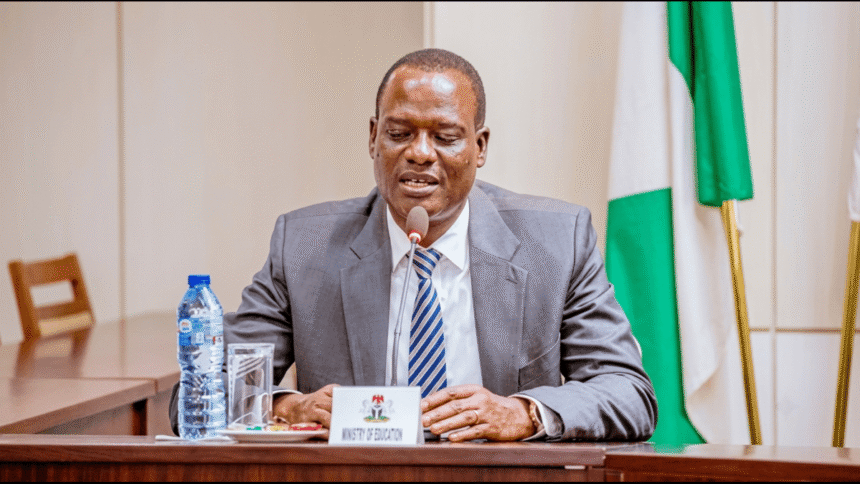
Oyedele serves as Nigeria’s Minister of Finance and Coordinating Minister of the Economy. He assumed the role on 21 April 2026, following an earlier appointment as minister of state for finance, a position he held from March of the same year before the promotion.
His statement on the World Bank loan episode comes as Nigeria’s economic management team continues to defend external borrowing as part of a broader strategy to finance development and support ongoing fiscal reforms that the government has pursued since taking office.
The minister’s confirmation that the loan was secured, delivered alongside a pointed call for public education on how international financing works, sets up a likely continuation of debate about Nigeria’s borrowing posture and its engagement with multilateral institutions, including the World Bank, which remains one of the country’s key development finance partners.