


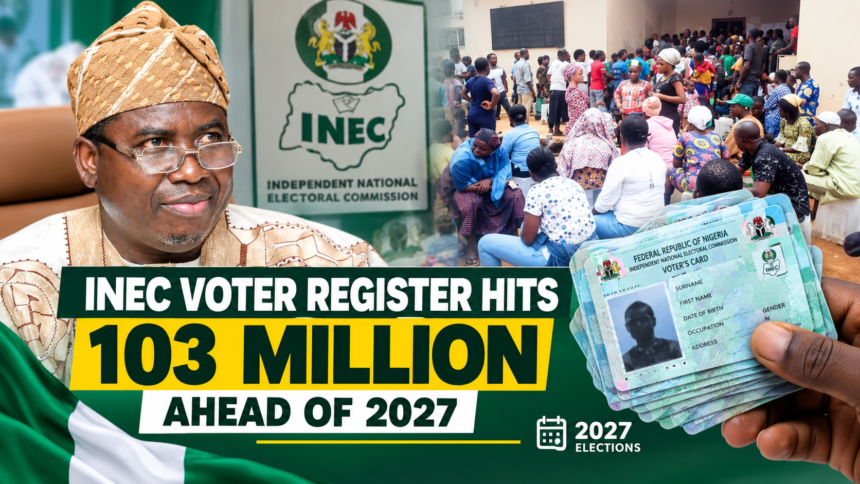
INEC voter register has crossed 103 million ahead of the 2027 elections, as PVC collection begins October 9 following the completion of voter registration and biometric cleanup.
INEC voter register has crossed 103 million ahead of the 2027 elections, putting Nigeria’s electorate above the 100 million mark as the Independent National Electoral Commission moves into another major stage of its preparations for the polls.
INEC Chairman, Prof. Joash Amupitan, disclosed the latest figure on Monday, October 5, 2026, during a strategic workshop for media executives organised by the Nigerian Guild of Editors in collaboration with the commission in Abuja.
The announcement came alongside a fresh update on Permanent Voter Cards, election preparations and the commission’s efforts to complete the activities on its 2027 election timetable.
Why the INEC voter register crossed 103 million
The increase followed the completion of a three-phase Continuous Voter Registration exercise conducted between August 2025 and July 2026.
Across the three phases, INEC recorded 10,772,421 new registrations.
The first phase ran from August 25 to December 10, 2025, and produced 2,611,266 registrations.
The second phase followed from January 5 to April 17, 2026, with 4,121,835 registrations.
The third phase, conducted between May 11 and July 26, 2026, added another 3,867,997 registrations.
The combined figure brought the total new registrations to more than 10.7 million. INEC then completed the final Automated Biometric Identification System cleanup of the register after the public display of the Preliminary Register for claims and objections.

It was after those processes that the commission announced that Nigeria’s National Register of Voters had risen to more than 103 million.
The figure is therefore more than a simple count of everyone who registered during the latest exercise. It reflects the register after the commission’s verification and cleanup processes.
INEC voter registration included online registration
The latest registration exercise also introduced changes intended to make the process easier for eligible Nigerians.
During the third phase, INEC introduced an Online Registration Portal aimed at reducing some of the difficulties associated with distance and time.
The commission also introduced printable Permanent Voter Card technology under Section 18(1) of the Electoral Act 2026.
The move is significant because delays in producing and collecting voter cards have often been a concern for newly registered voters. Under the new approach announced by INEC, the commission says waiting months for a card should become less common.
For voters, however, registration alone is not the final step. Having a name on the register does not remove the need to follow INEC’s instructions for collecting a PVC and confirming that their details are correct.
PVC collection begins October 9
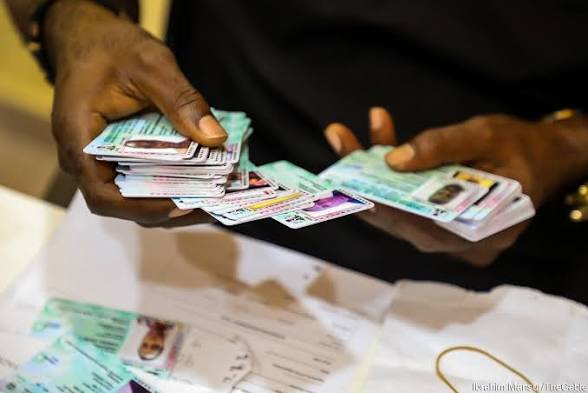
One of the most immediate developments linked to the new voter register is the nationwide collection of Permanent Voter Cards.
INEC has announced that collection will begin on Friday, October 9, 2026.
The commission said it had completed the processing and distribution of Phase One PVCs to Local Government Area collection centres across the country.
Registered voters are therefore being urged to find out where their cards are available and collect them promptly.
The timing gives the announcement a practical importance beyond the headline figure of 103 million. With the 2027 elections approaching, the next challenge is ensuring that eligible voters who have registered can actually complete the necessary steps to participate.
Preliminary voter register claims and objections
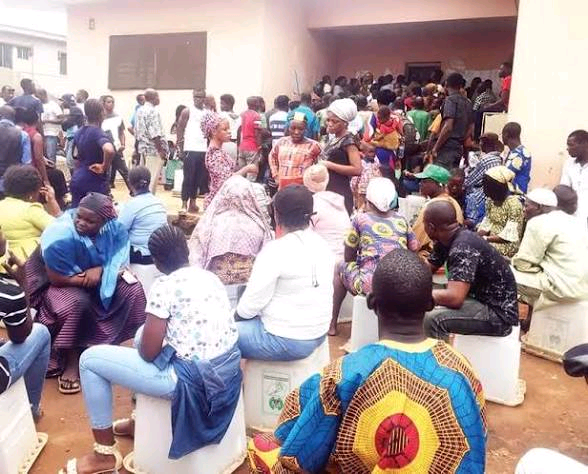
INEC has also been moving through the verification stage of the electoral process.
The commission said the public display of the Preliminary Register of Voters had been completed, allowing citizens to raise claims and objections before the final biometric cleanup.
This process is important because voter registration figures are only useful when the underlying register is properly checked.
The Automated Biometric Identification System, known as ABIS, was used as part of the verification and cleanup process. INEC said the final ABIS cleanup had been completed before it announced that the national register had crossed 103 million.
The development means the commission is now working with a much clearer picture of the registered electorate ahead of the 2027 polls.
What 103 million registered voters means for 2027
The size of the register gives some indication of the scale of the next general election.
INEC’s official timetable places the Presidential and National Assembly elections on January 16, 2027, while the Governorship and State House of Assembly elections are scheduled for February 6, 2027.
That makes voter preparation increasingly important as the commission moves from registration-related activities into the next stages of election planning.
INEC says it has completed eight of the 14 major statutory activities contained in its 2027 election timetable and is progressing towards the ninth.
The commission has also said it is conducting readiness assessments across its offices and preparing logistics ahead of election day.
INEC faces the next test after registration

Crossing 103 million registered voters is a major administrative milestone, but it is not the end of the process.
The commission still has to ensure that registered voters can locate their collection centres, obtain their PVCs and understand the procedures that will apply when they eventually go to the polls.
INEC has also continued to prepare its technological and logistical systems for the elections, including the Bimodal Voter Accreditation System and its result-management infrastructure.
At the same time, the commission has warned about issues such as misinformation, disinformation, vote-buying and other practices that could affect the electoral process.
For ordinary voters, the most immediate issue is simpler: checking their registration information and making sure they complete the PVC collection process when it begins.
With the national voter register now above 103 million, the focus is shifting from how many Nigerians registered to how effectively those registered voters can be prepared for the 2027 elections.