

Bayo Onanuga, the Special Adviser to the President on Information and Strategy, was silent on whether the president would transfer power to Shettima during the vacation. That silence has got Nigerians from all walks of life reacting.
To transfer power, the president would have to formally write the Senate president to notify him of the temporary handover. No such letter has been announced.
Shettima is currently in Angola for the African Union leaders summit, where he is representing Tinubu, and is expected to return later this week. Until then, the question of who holds executive authority remains open, and no acting arrangement has been publicly communicated to Nigerians.
The departure comes barely two weeks after the Independent National Electoral Commission opened the campaign period for the presidential and National Assembly elections scheduled for January 16, 2027. The timing is notable, given that the president is now abroad for three weeks during one of the most politically consequential periods of his administration.
The governorship and state House of Assembly elections are scheduled for February 6. Tinubu is expected to be a central figure in all of those campaigns, making his extended absence from the country a matter of political as well as constitutional significance.
Tinubu departed Abuja on Sunday for Europe, with London, United Kingdom, as his first stop. The statement did not name any other European country on the itinerary.
The statement described the trip as a working vacation, indicating that Tinubu will continue to carry out official duties during his time abroad. What those duties are was not specified.
Onanuga confirmed the trip in an official statement Sunday. “President Tinubu is expected to return home after the working vacation to join the hectic campaign for the January 2027 election,” Onanuga said. No return date was given.
Vice President Shettima had earlier this month gone on a two-week leave, his first since the Tinubu government assumed office over three years ago, and resumed work last week. Both the president and his deputy have now taken leave within weeks of each other, an unusual sequence that has left questions about continuity of executive oversight unanswered.
The presidency’s statement, issued Sunday, named no deputy to coordinate government business in Tinubu’s absence. Three weeks is not a short window. The statement did not specify which other European countries the president plans to visit. No schedule was released.
January 2027 is now less than five months away. Onanuga said in the statement: “President Bola Ahmed Tinubu will depart Abuja today for Europe to begin a three-week vacation as part of his annual leave. His first stop will be London, United Kingdom.” That is the full extent of what the presidency disclosed.
What Tinubu plans to do in London beyond resting was not addressed. Working vacations, by their nature, are vague. Onanuga noted that his principal is expected to return to Nigeria once the vacation ends, in time to throw himself into what the statement described as a hectic campaign season ahead of the January 2027 general elections.
The constitution requires a formal notification process for presidential absences. The president would have to formally write to the Senate president to notify him of any temporary handover of power. Whether that process has been followed this time has not been confirmed, and the presidency has offered no clarification on the matter.
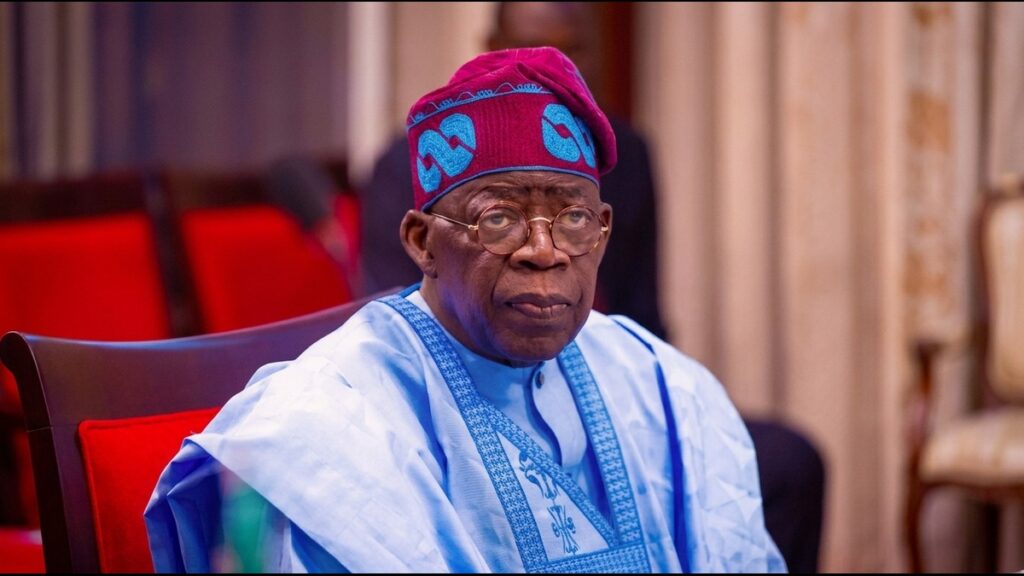
Tinubu’s three-week Europe leave raises a direct question for Nigerians: who is in charge? The presidency has not answered it. Onanuga’s Sunday statement said nothing beyond the departure city, the first destination in London, and the plan to return for the 2027 election campaign. It also made no reference to any formal transfer of presidential authority or whether Vice President Kashim Shettima would act in Tinubu’s absence.
The silence has fueled fresh public debate about constitutional procedure, transparency, and continuity in the day-to-day running of the federal government.