
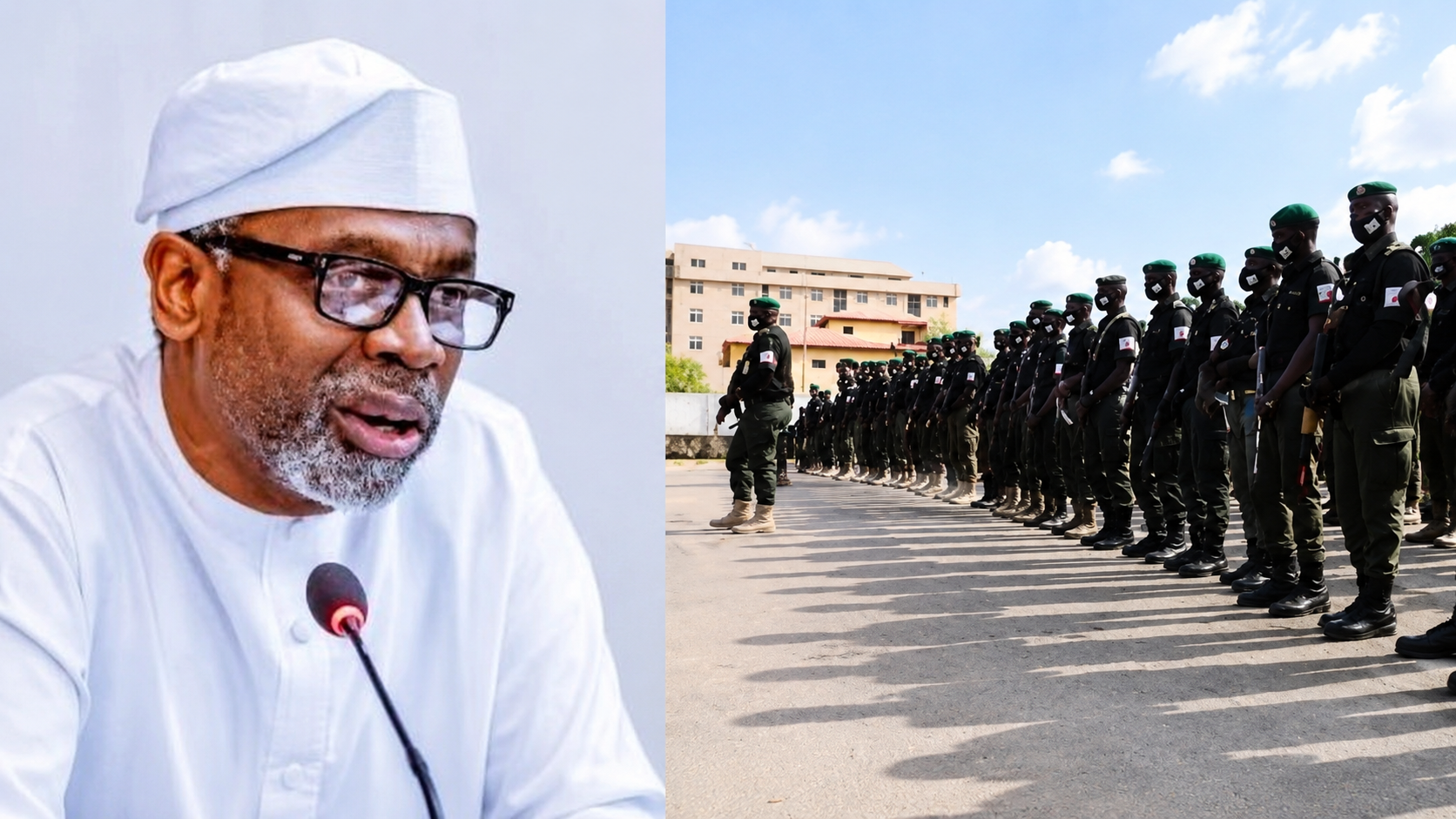
National Policing Bill: Femi Gbajabiamila is scheduled to present the proposed Executive Bill package to President Bola Tinubu today, September 3, 2026, as Nigeria moves closer to establishing a legal and operational framework for state police. The proposed reform is designed to create a dual policing structure involving federal and state police services while putting safeguards in place against political abuse, weak oversight and uneven standards.
National Policing Bill reaches key stage
The Presidential Working Group on the National Policing Bill, chaired by Gbajabiamila, President Tinubu’s Chief of Staff, has been working on the framework since the President inaugurated the group in July.
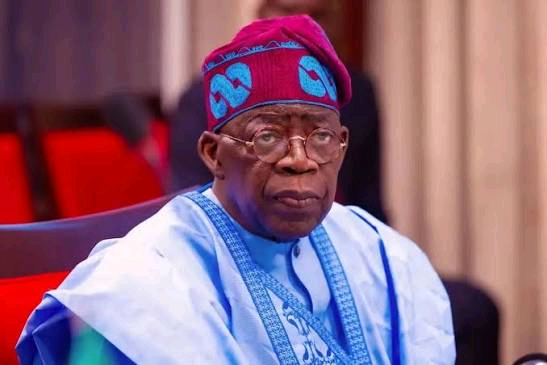
The Presidency announced a seven-week, milestone-driven programme running from July 27 to September 14, with legal drafting, policy research, data analysis, stakeholder engagement and implementation planning taking place alongside one another. The draft Executive Bill package was specifically scheduled for presentation to Tinubu on September 3.
The development is significant because the proposed state police system is not yet operational anywhere in Nigeria.
Gbajabiamila has repeatedly stressed that the constitutional process must be completed before state police can begin operating. Until then, the Nigeria Police Force remains the country’s constitutionally recognised police institution.
What the state police framework is expected to cover

The National Policing Bill is intended to address the practical questions that would arise if Nigeria moves from its current largely centralised policing structure to a federal and state arrangement.
According to the Presidency, the proposed framework is expected to establish national minimum standards and determine how states will demonstrate their readiness before starting police operations.
That readiness will cover areas including recruitment, vetting, training, salaries, pensions, equipment, custody arrangements, complaints handling, discipline, data management, firearms regulation, independent oversight and financial sustainability.
The framework is also expected to clarify jurisdiction between federal and state police services and establish arrangements for cooperation between the two levels.
This means the reform is not simply about allowing individual states to create police commands. It is intended to establish rules for how the different police institutions would work together without creating competing or conflicting security structures.
Constitutional amendment still matters
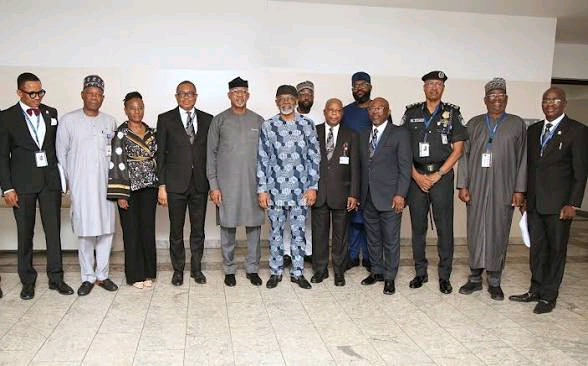
The planned presentation of the Executive Bill does not mean state police will immediately begin operations across Nigeria.
The National Assembly has already advanced the constitutional process. The Senate approved the state police constitutional proposal on June 24, while the House of Representatives passed the relevant Executive State Police Bill on July 23. The House vote attracted the support of 311 lawmakers, although members of the minority caucus staged a walkout over alleged breaches of parliamentary procedure.
The constitutional amendment still requires approval from the state Houses of Assembly before it can take effect. That distinction is important. The National Policing Bill is being prepared as the operational framework for a reform that must first clear the constitutional hurdle.
Gbajabiamila has therefore maintained that no state should simply announce a police service and begin operations without meeting the required standards.
Safeguards against political interference
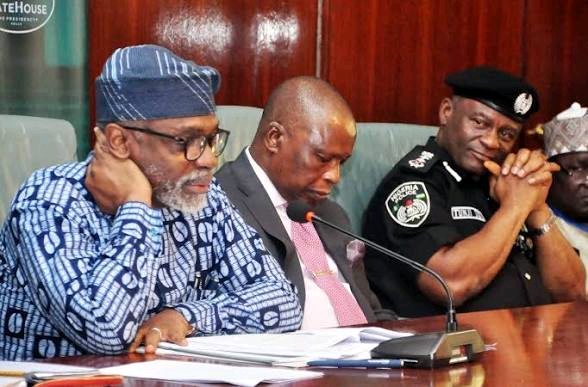
One of the biggest questions surrounding state police has been whether governors could use local police formations to target political opponents.
The proposed framework seeks to address that concern directly.
Gbajabiamila has said state police should not become “36 state militias” and that political officeholders should not be able to use police powers to order the arrest of opponents, suppress lawful political activity or selectively enforce the law.
The wider constitutional proposal passed by the National Assembly also contains safeguards intended to protect political freedoms and civil liberties. Among other provisions reported by Channels Television, a state commissioner of police would not be permitted to arrest, detain, investigate or deploy force against a person or political group merely for criticising the government, except as permitted by law.
The Presidency has also said independent oversight, human rights protections and complaints mechanisms will form part of the proposed national framework.
Public input shaped the drafting process
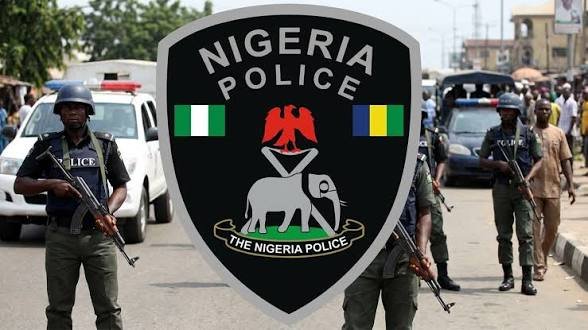
The government has not presented the reform as an entirely closed-door exercise. The Presidential Working Group invited Nigerians, civil society organisations, professional bodies, security experts, academics, state and local governments and other stakeholders to submit memoranda and policy proposals.
The deadline was later extended by eight days to allow additional contributions. By August 20, the working group said it had begun reviewing submissions while legal drafters started the first drafting phase.
The consultation is significant because the proposed system will have to work across states with different security conditions, populations, infrastructure and financial capacities.
Gbajabiamila has also rejected the idea of announcing a blanket cost figure at this stage, saying the financial implications should be based on research and assessed on a state-by-state basis rather than estimated without evidence.
What happens after Tinubu receives the bill?
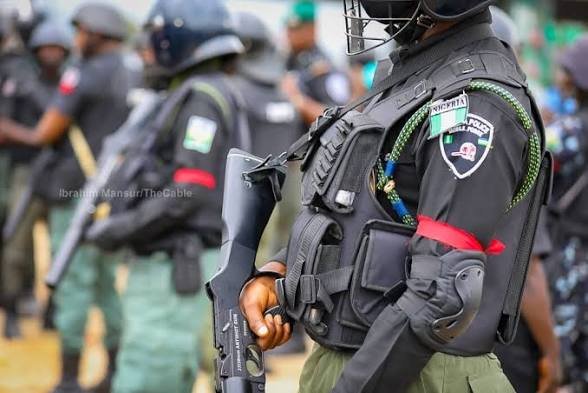
The September 3 presentation is another stage, not the final step. According to the announced process, the completed draft is expected to undergo further national consultation before final approval. The text and supporting materials would then be revised before being formally transmitted to the National Assembly.
The final package is expected to go beyond the main bill. The Working Group has listed supporting materials including an explanatory memorandum, legal audit, consequential amendments matrix, clause-by-clause analysis, state readiness framework, fiscal and implementation note, implementation work plan, validation report, risk register and digital archive.
For Nigerians, the real test will therefore come after the drafting stage: whether the constitutional changes are completed, whether the operational legislation is passed, whether states can meet the required standards and whether strong safeguards can prevent political interference.
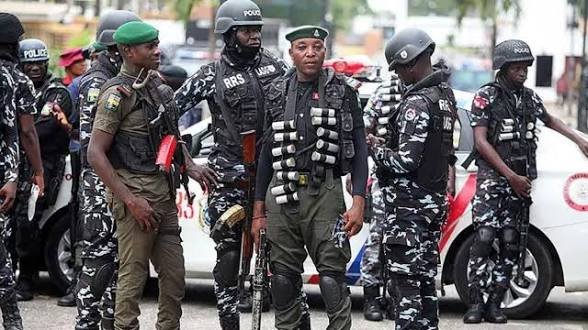
For now, the scheduled presentation to Tinubu marks a major step in an unusually far-reaching attempt to reshape Nigeria’s policing architecture. But state police will not become a reality simply because the Executive Bill reaches the President. The constitutional process, legislative approval, funding, state readiness and accountability mechanisms will ultimately determine how, and when, the reform takes effect.