
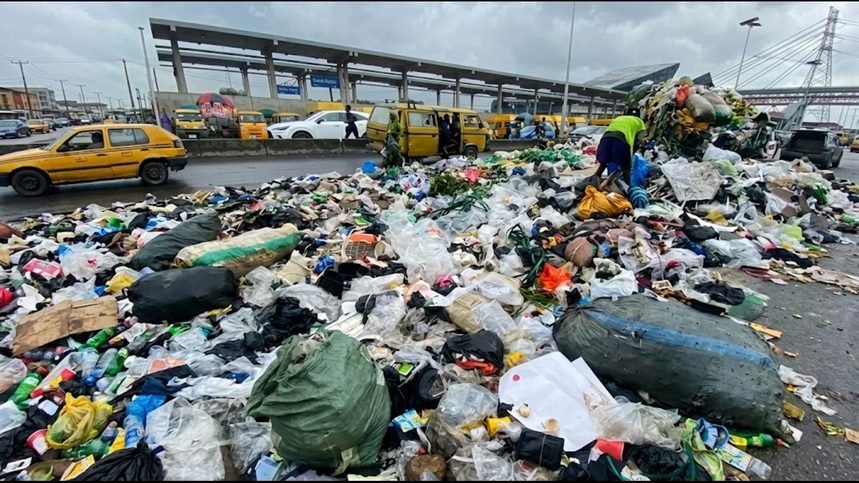
Environment Commissioner Tokunbo Wahab said on X that the video being circulated did not reflect the current state of Mushin, insisting that the government had taken steps to address waste management in the area. The footage, which spread rapidly across platforms, pulled in critics who challenged that claim directly.
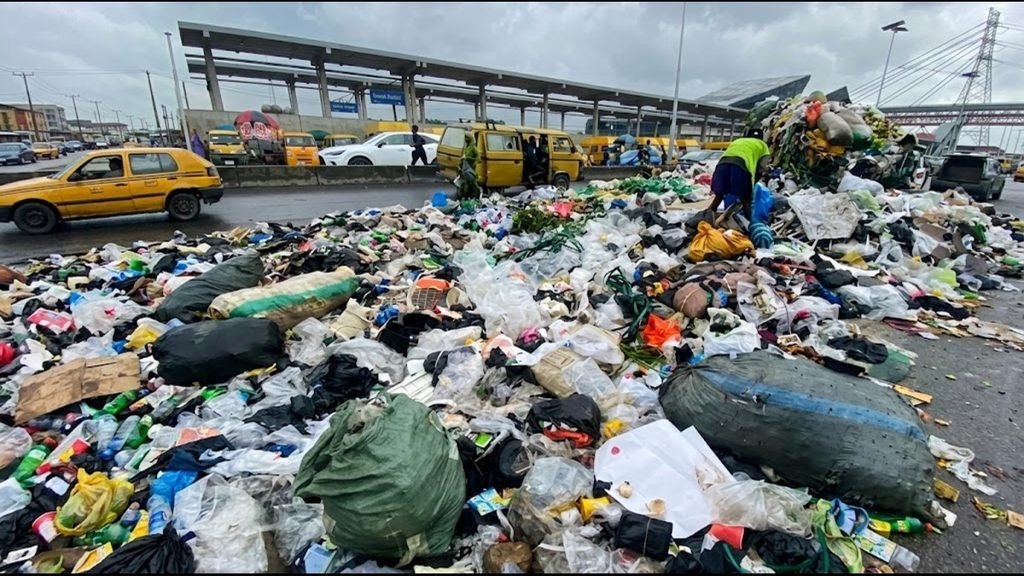
Wahab accused the blogger who shared the clip of having a “persistent tendency to portray Nigeria, particularly Lagos State, in a negative light.” Social media users, including Daniel Regha, tagged Wahab to demand action and pointed to filth across other mainland neighbourhoods despite residents paying land use charges.
Wahab said the video was old, adding that the location “has since been cleared, and LAWMA has continued to sustain its operations in the area.” But the pushback from residents suggested a gap between that position and conditions on the ground in several communities.
Part of the problem, Wahab said, is that some residents opt out of private waste collection services without paying the required fees. Lagos generates about 13,000 tonnes of waste every day, and in May alone, LAWMA and Private Sector Participation operators evacuated about 418,500 tonnes of waste across the state, averaging 13,200 tonnes daily.
“That is not a small operation,” Wahab said. “It involves hundreds of PSP operators, public waste teams, transfer and disposal operations, street sweepers, enforcement teams, customer service staff, drivers, loaders, supervisors and monitoring officers working across a very large and difficult city.”
Yet the scale of that operation has not stopped illegal dumping within the system itself. LAWMA has terminated the appointments of several street sweepers, supervisors, and a service provider for allegedly dumping waste along the Oworonshoki-Berger median.
LAWMA Managing Director Muyiwa Gbadegesin announced the disengagement, noting it followed sustained surveillance of the area, which had become a recurring waste hotspot, and that internal investigations confirmed the workers’ involvement with affected staff confessing to the act.
In total, about five street sweepers, supervisors, and a service provider were sacked over alleged illegal dumping along the Oworonshoki-Berger axis.
The state government also apprehended two suspected illegal waste dumpers in the same area as part of renewed enforcement aimed at keeping major roads and public spaces clean.
One of the suspects, identified as Timileyin Ojo, a load carrier, was allegedly caught dumping waste on the road median with a wheelbarrow. Another, described as a cart pusher, was arrested for allegedly engaging in unauthorised waste collection in the area.
In Mushin specifically, the authority has moved to extend its reach beyond major roads. In Mushin and Odi-Olowo, LAWMA was taking further steps following the clearance of waste backlogs from major road medians, deploying collection trucks into inner streets to improve direct access to waste collection services and reduce the tendency of residents to move waste back to cleared medians.
Gbadegesin warned that anyone involved in waste management must not contribute to the environmental problems they were employed to address, and said LAWMA would continue to monitor identified waste hotspots and take enforcement action against personnel, service providers, residents, and businesses found violating waste disposal regulations.
Earlier, Wahab admitted on Arise TV that waste collection had been “very bad” over the past three to four months, while saying Lagos is moving away from the old landfill system toward a circular waste economy, with investments in waste-to-energy facilities.
Governor Babajide Sanwo-Olu ordered round-the-clock waste evacuation across the state, while the government also revived the monthly environmental sanitation exercise after a ten-year break. Whether those measures reach inner streets where residents say collection remains irregular is the question the viral Mushin video left unanswered.
The Lagos waste management crisis, driven by a daily output of 13,000 tonnes of refuse and gaps in private collection coverage, continues to generate friction between the state government and residents who say official accounts do not match conditions in their neighbourhoods.