



Atiku Abubakar petrol subsidy plan has drawn a strong response from Peter Obi, who rejected a return to subsidy and called for better management of the savings from its removal.
Atiku Abubakar’s petrol subsidy plan has opened a fresh policy disagreement with Peter Obi, with both opposition figures taking different positions on one of the most debated economic issues ahead of Nigeria’s 2027 presidential election.
Atiku, the African Democratic Congress (ADC) presidential candidate, says he would restore petrol subsidy if elected in 2027, arguing that Nigerians have not seen enough benefits from its removal.
Obi, the Nigeria Democratic Congress (NDC) candidate, disagrees. He maintains that subsidy removal was necessary but says the government has failed to properly manage the resources freed by the policy.
The disagreement came during the Nigerian Bar Association’s Annual General Conference in Port Harcourt, where subsidy, the economy, security and governance featured prominently in discussions among opposition presidential hopefuls.

Atiku Abubakar Wants Petrol Subsidy Restored
Atiku, who supported petrol subsidy removal during the 2023 presidential campaign, has now changed his position ahead of the 2027 election.
Speaking in a recent interview, the former vice president questioned what happened to the money saved after the subsidy was removed.
“I initially did not oppose the removal of the fuel subsidy. But now that it has been removed, where is the money? Where has the subsidy money gone? Has it been used to improve healthcare, education or security?” he asked.
Atiku said he would restore the subsidy if elected and promised that anyone found to have stolen subsidy funds would be made to return the money.
His argument comes as Nigerians continue to deal with the effects of higher petrol prices and increased transportation, food and energy costs following the removal of the subsidy in 2023.
The Tinubu administration has defended the policy as necessary to reduce pressure on government finances and redirect resources to other areas.

Peter Obi Rejects Atiku’s Subsidy Position
Obi rejected Atiku’s proposal while speaking at the NBA conference on Monday, August 24. The NDC candidate said removing the subsidy was still the right decision and that poor management of the proceeds should not be used as a reason to reverse the policy.
“I subscribe and I maintain that we need to remove subsidy. Mismanagement of the proceeds should not be the reason for not removing it,” Obi said.
Instead, he argued that the government should have provided alternatives for Nigerians affected by the policy and directed the savings towards sectors that could improve living conditions.“What we should have done is that when we removed it, we should have given the people alternative usage for the subsidy,” he said.
Obi also accused the government of mismanaging and stealing resources recovered from subsidy removal. He pointed to healthcare and infrastructure as areas where the money could have made a direct difference.
The former Anambra State governor said his position was already contained in his 2023 manifesto, which proposed removing the subsidy in an organised manner and investing the proceeds appropriately.
Why Petrol Subsidy Is Back in the 2027 Debate
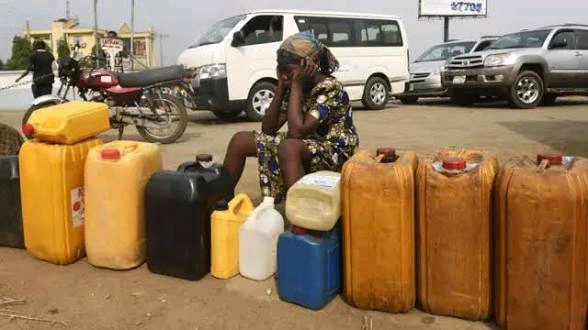
Petrol subsidy has remained one of Nigeria’s most politically sensitive economic issues, particularly since President Bola Tinubu announced its removal on May 29, 2023.
The decision immediately pushed petrol prices higher and contributed to increases in transport fares, food prices, logistics and other household expenses. The government has maintained that the reform was needed to reduce the financial burden of subsidising petrol.
The debate has now returned as political parties begin shaping their economic messages for 2027.
Atiku is presenting subsidy restoration as a response to the hardship Nigerians have experienced since the policy was removed. Obi, on the other hand, is arguing that reversing the policy would not solve the underlying problem if the resources saved are still poorly managed.
The disagreement is particularly notable because Atiku and Obi have shared a political history. The two were on the same PDP ticket in 2019 before becoming presidential opponents in 2023.
Other opposition figures have also weighed in. African Action Congress candidate Omoyele Sowore rejected a return to the old subsidy arrangement, arguing that the system mainly benefited elites and governors.
Subsidy Savings and the Accountability Question

The disagreement has also drawn attention to the amount of money the government says became available after subsidy removal.
The Federal Government says the reform mobilised ₦15.8 trillion in resources for the Federation between June 2023 and December 2025. However, the figure does not represent money sitting in a separate account labelled “subsidy savings.”
Finance Minister and Coordinating Minister of the Economy Taiwo Oyedele said ₦5.4 trillion went to the Federal Government, while ₦10.4 trillion was shared among states and local governments through the Federation Account.
That explanation has not ended questions about how the resources have been used.
Civil society groups and other stakeholders have called for greater transparency over the funds, while Obi has repeatedly argued that the resources should have been directed towards healthcare, infrastructure and other productive areas.
The Nigeria Employers’ Consultative Association has also called on states and local governments to account for the ₦10.4 trillion shared with them.
What a Different Subsidy Approach Could Look Like
The disagreement between Atiku and Obi is not simply about whether subsidy should exist. It is also about how Nigeria should manage the transition away from it.
Atiku’s current position is that the policy should be restored because Nigerians have not received enough benefits from its removal.
Obi’s argument is different. He wants the removal to remain but believes the government should have put stronger measures in place to protect households and ensure the savings were used productively. That difference could become an important part of the economic debate as the 2027 campaign develops.

For Atiku, the challenge will be explaining how a restored subsidy would be financed without placing fresh pressure on government finances.
For Obi, the question will be how quickly his proposed alternatives could provide relief while maintaining the reform.
The Political Stakes Ahead of 2027
The subsidy disagreement gives both candidates an opportunity to present a distinct economic message to voters.
Atiku is focusing on the immediate pressure faced by Nigerians and arguing that government should provide relief through cheaper petrol.
Obi is defending the reform itself while questioning how the savings have been handled. His position is that the policy should not be reversed simply because the government failed to properly use the resources it freed.
Both positions face difficult questions.
Atiku will have to convince voters that bringing back subsidy would be financially sustainable. Obi will need to show how his approach would protect Nigerians from the cost of petrol while ensuring the savings are used transparently.
What Nigerians Will Be Watching
The fuel subsidy debate is likely to remain part of the 2027 campaign as parties prepare their manifestos and economic plans. Among the biggest questions will be how Atiku intends to finance a restored subsidy and whether Obi can provide a workable alternative that protects households from rising costs.
For now, the two opposition candidates have drawn clear lines. Atiku says subsidy should return because Nigerians have not benefited enough from its removal. Obi says removing it was necessary, but the government failed to manage the resources properly.
With the 2027 election approaching, petrol subsidy is once again becoming a major test of how each candidate plans to manage Nigeria’s economy and respond to the cost-of-living pressure facing citizens.