


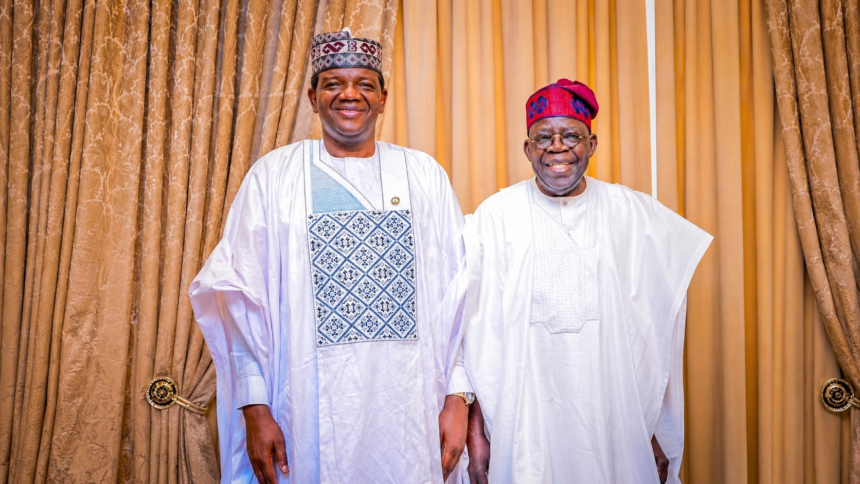
Minister of State for Defence, Dr. Bello Mohammed Matawalle, has accused political opponents of hiring foreign lobbyists to circulate outdated documents in the United States in a bid to undermine Nigeria’s security leadership and distract from ongoing efforts to tackle insecurity.
The Minister spoke through his media office amid a wave of commentary in the U.S. calling for his removal, describing the campaign as “baseless, misleading and a campaign of calumny” aimed at fracturing confidence in the country’s defence architecture.
Allegations From Washington Spark Backlash
The controversy began after Kimberly Daniels, a member of the Florida House of Representatives and Chairwoman of the United World Congress of Diplomats, made remarks on a Facebook live broadcast in April 2026. Daniels alleged targeted killings in Nigeria’s North Central and North West and claimed she faced pressure from individuals linked to Matawalle to suppress scrutiny.
She also alleged that an unnamed American lawmaker was persuaded to publicly defend Nigeria’s defence leadership, and that promotional materials were circulated to influence U.S. elected officials.
Matawalle’s office swiftly denied the claims. In a statement signed by his Personal Assistant on Media, Ahmad Dan-Wudil, the ministry said the allegations of attempted bribery of a U.S. official were “false, baseless and politically motivated” and do not reflect the Minister’s character or public record.“The Honourable Minister remains resolute and undeterred. He will not be distracted by campaigns of calumny,” the statement read.
A Warning Against Foreign Interference
Nigerian groups and diaspora organisations quickly rallied to Matawalle’s defence, warning that the episode reflects a troubling pattern of external commentary on Nigeria’s internal security.
Operating under the banner of the Nigerian-American Coalition for Strategic Stability, Nigerians in the U.S. described Daniels’ call for Matawalle’s removal as “ill-informed, externally influenced, and injurious to the country’s sovereignty”. Convener Maxwell Akarachi said portraying Matawalle as a liability based on “unproven and recycled allegations” risks legitimising misinformation at a critical time.
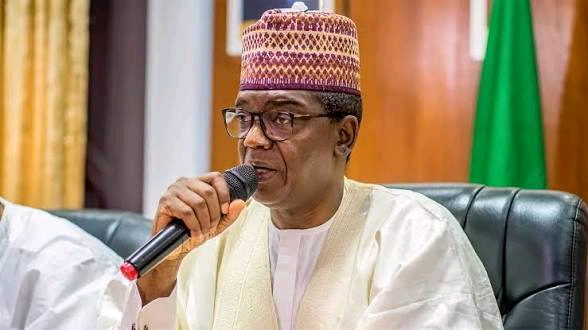
Back home, three prominent civic groups, the Nigerian Muslim Congress, Northern Elders Political Development Group, and Youths Vanguard for Peaceful Co-existence of Nigeria, issued a joint statement condemning what they called a “sponsored campaign of calumny”. They argued that matters relating to Nigeria’s security architecture remain the exclusive responsibility of the Federal Government under President Bola Ahmed Tinubu, and that decisions on appointments and strategy are guided by national interest and local intelligence, not external pressure.
“External opinions, regardless of intent, must not override the authority of those directly accountable to the Nigerian people,” the groups said.
Complex Security Challenges
The groups stressed that Nigeria’s security challenges, particularly in the North-West and North-Central, stem from years of structural vulnerabilities, cross-border criminal networks, and evolving asymmetric threats. They noted such problems cannot be reduced to the actions of a single office holder and predate the current administration.
They also defended Matawalle’s credentials, citing his tenure as Governor of Zamfara State, one of the regions hardest hit by banditry. His firsthand experience, they said, positions him as a key contributor to ongoing national security efforts. Amnesty International’s Nigeria Country Director, Isa Sanusi, however, urged caution, describing the allegations as “weighty and far-reaching” and calling for an independent investigation to protect Nigeria’s global reputation and security relations.
Matawalle’s Response And Focus
In his own response, Matawalle dismissed the bribery claims and said he has “never engaged in, nor would he ever condone, any act of bribery or misconduct”. His office urged the public to disregard the reports and reaffirmed his commitment to integrity, diligence and national service.
The Minister’s aides described the U.S. campaign as an attempt by political opponents to distract him from duty and tarnish his reputation. They maintained that he remains focused on supporting the Armed Forces and coordinating efforts against banditry, insurgency and other threats.
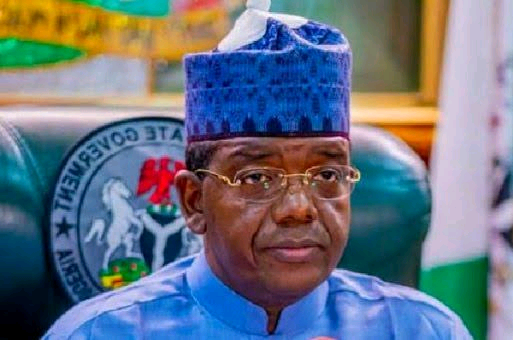
Analysts note that the episode highlights a broader challenge for Nigeria: balancing transparency and accountability with the need to resist external narratives that may lack operational context. Some commentators have suggested President Tinubu could order an independent review to clarify facts, arguing that transparency would either strengthen the Minister’s position or address public concerns.
Why This Matters
Security is one of the Tinubu administration’s top priorities, and the Ministry of Defence is at the center of that effort. Any attempt to influence perceptions abroad, especially using outdated documents or recycled allegations, could affect international partnerships, investor confidence, and morale at home.
For Matawalle, the warning is clear: the fight against insecurity will not only be waged on the battlefield, but also in the information space. His office insists it will not be drawn into “malicious propaganda” and will continue to work with security agencies to stabilize vulnerable regions.
As the debate continues in both Abuja and Washington, Nigerian groups are calling for unity behind institutions rather than personalities, and for any scrutiny to be based on current facts, not recycled claims.