


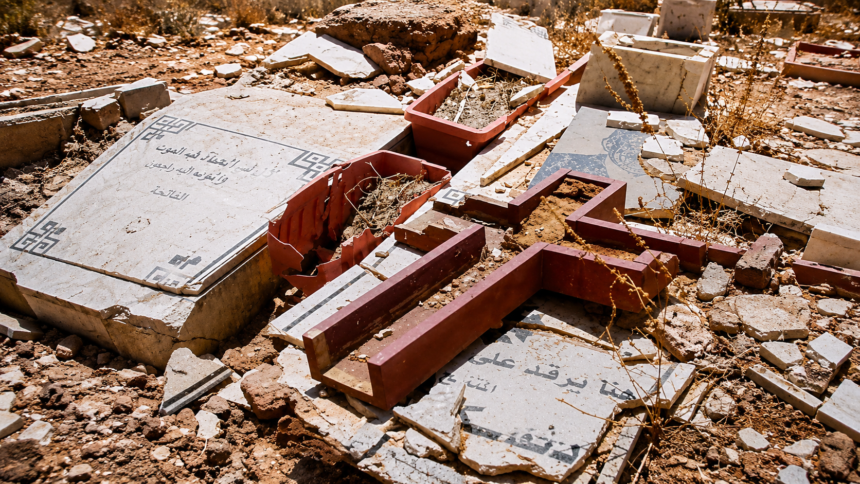
Sudan’s churches are facing unprecedented devastation as the country’s civil war intensifies, with over 150 churches destroyed or seized, forcing congregations into underground ministries for survival. The ongoing power struggle between the Sudanese Armed Forces (SAF) and the Rapid Support Forces (RSF) has left faith communities shattered, yet resilient.
A Nation in Ruins
Sudan’s civil war, which erupted in April 2023, has turned Khartoum and other cities into battlegrounds. Nearly every building in the capital bears scars of conflict, bullet holes, shattered windows, and looted interiors. The presidential palace lies in ruins, and even cultural landmarks like the Sudan National Museum have been stripped of artifacts. Amid this destruction, churches have become symbolic targets, with many reduced to ashes or seized by armed factions.
Churches Under Siege
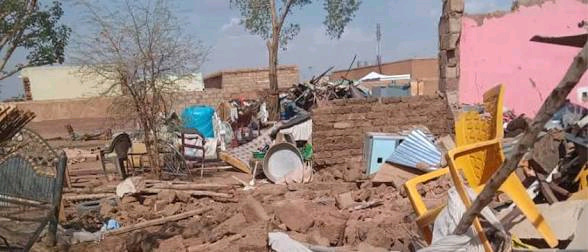
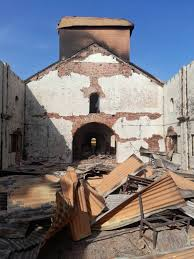
Faith communities have been particularly vulnerable. Over 150 churches have been destroyed or occupied, leaving congregations without sanctuaries. An 80-year-old church near Khartoum’s police headquarters now stands in ashes, emblematic of the systematic dismantling of Christian institutions. For many Sudanese Christians, worship has moved underground, relying on secret gatherings and informal networks to sustain spiritual life.
Humanitarian Fallout
The destruction of churches is part of a broader humanitarian catastrophe. The United Nations reports that the conflict has displaced 14 million people and killed or injured thousands of children. With hospitals destroyed and healthcare infrastructure crippled, up to 80% in conflict zones, churches once served as community anchors for aid and relief. Their loss has left vulnerable populations even more exposed.
The Power Struggle Behind the Crisis
The devastation stems from a bitter rivalry between General Abdel Fattah al-Burhan’s SAF and Mohamed Hamdan Dagalo’s RSF, a paramilitary force with roots in the Janjaweed militias of Darfur. Once allies in the 2021 coup, the two leaders turned against each other in a violent contest for control of Sudan’s government. The RSF quickly captured key sites in Khartoum, including the airport and presidential palace, escalating the conflict into a prolonged civil war.
Faith Amid the Rubble
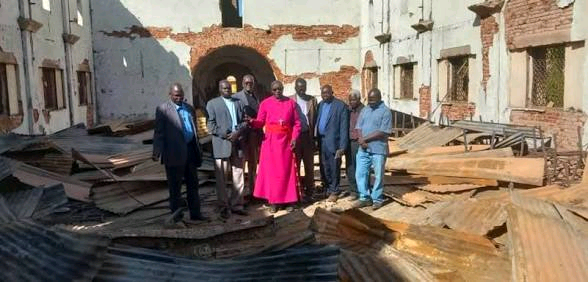
Despite the destruction, Sudanese Christians continue to demonstrate resilience. Underground ministries provide not only spiritual guidance but also humanitarian aid, food, shelter, and counseling for survivors of violence. These clandestine networks have become lifelines for communities stripped of their traditional places of worship.
International Response and Silence
Global organizations, including the International Committee of the Red Cross, have highlighted the collapse of Sudan’s infrastructure. Yet, the plight of churches has received limited international attention compared to hospitals and schools. Advocacy groups warn that ignoring the destruction of religious institutions risks erasing a vital part of Sudan’s cultural and spiritual identity.
A Call for Hope
The Sudan crisis is not only a political and humanitarian disaster but also a spiritual one. Churches, once sanctuaries of peace, now lie in ruins. Yet, the persistence of underground ministries shows that faith remains unbroken. For Sudanese Christians, survival is not just about enduring war, it is about preserving hope, community, and belief in the face of devastation.