

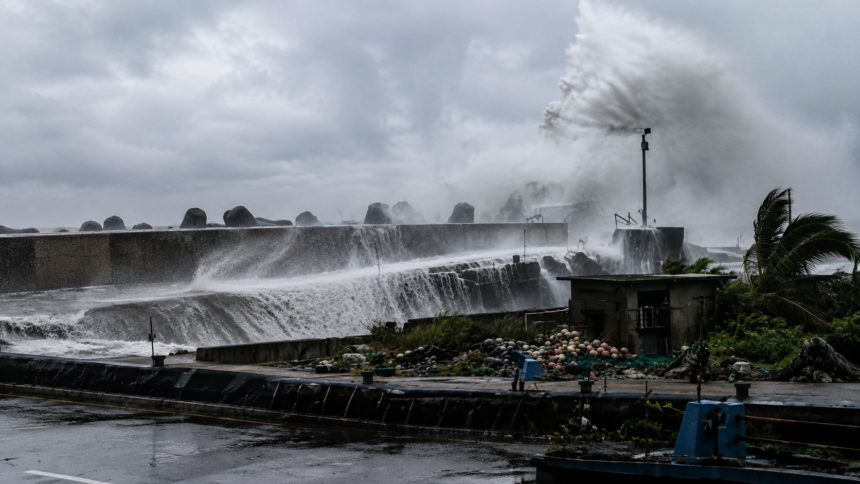
Typhoon Bavi forced the evacuation of nearly two million people in eastern China as it made landfall in Zhejiang Province on July 11, 2026. The storm, with winds up to 144 km/h, triggered widespread flooding, landslides, and transport disruptions, but swift evacuations helped minimize casualties.
The Storm’s Path and Landfall
Typhoon Bavi struck Taizhou, Zhejiang Province, late on July 11, bringing maximum sustained winds of 144 km/h (90 mph), equivalent to a Category 1 hurricane. The storm’s rain bands, spanning an area roughly the size of France, unleashed torrential rainfall across eastern China. Bavi made a second landfall in Yueqing, Wenzhou, before weakening into a severe tropical storm as it moved inland.
Mass Evacuations and Precautions

Authorities carried out one of the largest evacuation operations of the year, relocating nearly two million residents from Zhejiang, Fujian, Shanghai, and Beijing. Over 1.7 million people were evacuated from Zhejiang alone, with 100,000 from Fujian and 34,000 from Shanghai. Emergency shelters were opened, schools and tourist attractions closed, and ferry and flight services suspended.
Regional Impact Beyond China
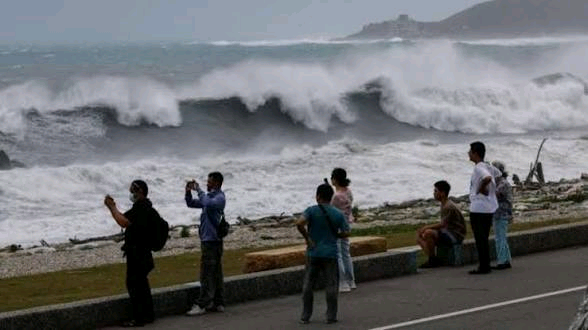
Before reaching mainland China, Typhoon Bavi battered Japan’s southern Sakishima islands and brushed past northern Taiwan, causing injuries and widespread transport disruptions. Taiwan evacuated 14,000 residents from mountainous areas prone to landslides, while Japan reported heavy rainfall and rough seas. The Philippines also suffered indirectly, with 17 deaths linked to landslides triggered by monsoon rains intensified by Bavi.
Aftermath in China – Flooding and Landslides
In Wenzhou, flood waters submerged streets and uprooted more than 1,300 trees. Landslides in mountainous areas sent boulders crashing onto roads.
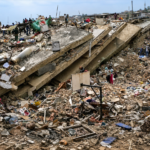
Infrastructure Damage: Thousands of homes and businesses sustained damage, with roofs torn off and shopfronts destroyed.
Transport Disruptions: Over 400 flights and dozens of train services were canceled. Ferry operations were suspended, and schools closed across coastal provinces.
Climate Concerns
Experts warn that warmer ocean temperatures and the approaching El Niño could intensify future tropical storms in East Asia. Typhoon Bavi’s scale and destructive rainfall highlight the growing risks posed by climate change, particularly for densely populated coastal regions.
Resilience and Recovery
Despite the destruction, China’s rapid evacuation efforts and disaster preparedness significantly reduced casualties. Local residents, accustomed to seasonal typhoons, showed resilience by stocking supplies and cooperating with emergency measures. Relief teams continue to clear debris, restore power, and provide aid to displaced families.