

The Federal Government has proposed a harmonised 2027 exam timetable for JAMB, WAEC, NECO and NABTEB, targeting the release of results by August to enable eligible candidates to begin tertiary institution admission processes in September.
Under the proposed calendar, the Unified Tertiary Matriculation Examination (UTME) will take place in March, followed by the National Examinations Council (NECO) Senior School Certificate Examination (SSCE) from April to May.
The West African Examinations Council (WAEC) examination is scheduled for May and June, while NABTEB and NBAIS examinations will extend into July.
The announcement, published by the Federal Ministry of Information and National Orientation on October 14, 2026, forms part of the government’s education reform agenda under the Nigeria Education Sector Renewal Initiative (NESRI). The plan is designed to improve coordination between examination bodies, minimise timetable clashes and accelerate results processing so candidates can meet admission requirements without unnecessary delays.
2027 Exam Timetable: Proposed Dates for JAMB, WAEC, NECO and NABTEB
According to the Federal Government’s announcement, the proposed calendar covers five major examination bodies, with results targeted for release by August 2027 for the relevant examinations.
The proposed dates are as follows:
JAMB UTME: March 15–25, 2027, with results expected in March.
NECO SSCE: April 1–May 14, 2027, with results targeted for August.
WAEC WASSCE: May 11–June 18, 2027, with results targeted for August.
NABTEB: June 1–July 5, 2027, with results targeted for August.
NBAIS: June 10–July 9, 2027, with results targeted for August.
The schedule places the UTME first, followed by the main secondary-school examinations and other external assessments.
However, these are proposed dates under the harmonisation plan. Candidates should still look out for final timetables, registration deadlines and examination instructions from the respective bodies.
JAMB UTME 2027: Why the Examination Is Scheduled for March
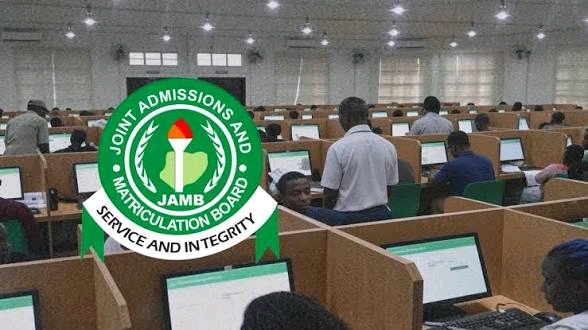
The 2027 UTME is proposed to hold from March 15 to March 25, placing it ahead of the main NECO and WAEC examination periods.
The government is targeting the release of UTME results in March as part of its effort to coordinate examination results with the admission calendar.
An earlier UTME window would give candidates seeking admission into universities, polytechnics and colleges of education an opportunity to know their performance before the main school-leaving examination season progresses.
It would also give candidates and institutions more time to plan the next stages of the admission process.
However, the proposed calendar does not establish when JAMB registration will open or close. Candidates should wait for the Joint Admissions and Matriculation Board to publish its official registration schedule, examination requirements and other instructions for the 2027 UTME.
NECO and WAEC 2027: Why the Examination Dates Overlap
The proposed timetable places the 2027 NECO SSCE between April 1 and May 14, while the WAEC WASSCE is scheduled to run from May 11 to June 18.
This means the two examination periods would overlap for four days, from May 11 to May 14.
The overlap is an important consideration for students preparing to sit both examinations. Although the government says the harmonisation exercise is intended to minimise timetable clashes, the overall examination windows alone do not establish whether individual subjects will be scheduled at the same time.
The final subject-by-subject timetables will therefore be particularly important for candidates taking both examinations.
The government is targeting August 2027 for the release of both NECO and WAEC results. If the proposed schedule and processing targets are achieved, candidates could have their results available before September admission activities begin.
However, August remains a target rather than a guarantee that every result will be released on a particular date.
Why the Federal Government Wants the 2027 Exams Closer Together

The central objective of the harmonisation plan is to coordinate examination schedules and results processing with the tertiary admission calendar.
In previous examination cycles, delays in releasing school-leaving examination results have created difficulties for candidates who need their results to complete admission requirements. When results arrive late, students may have less time to meet institutional deadlines and make decisions about their next academic steps.
The Federal Government wants to address this problem by aligning examination schedules and setting an August 2027 target for results from the relevant examination bodies.
The proposed calendar places the examinations within a period that would allow the bodies to complete their respective processes before the September admission period.
However, the government has not explicitly stated that every examination is being moved forward compared with 2026. Its stated objective is to harmonise the examination calendar, reduce clashes and ensure results are processed and released early enough to support tertiary admissions.
The initiative also seeks to improve coordination between examination bodies, making it easier for schools, candidates and tertiary institutions to plan their activities.
In announcing the plan, the Federal Ministry of Information and National Orientation said the Minister of State for Education, Professor Suwaiba Sa’id Ahmad, convened a meeting with heads and representatives of the examination bodies at the Federal Ministry of Education headquarters in Abuja.
According to the ministry, the meeting focused on “aligning examination schedules, minimising timetable clashes, and ensuring the timely processing and release of results.”
The initiative falls under the education reform agenda of the Minister of Education, Dr Maruf Tunji Alausa, through NESRI.
The ministry also said it would continue engaging the examination bodies to encourage compliance with the proposed timelines, strengthen accountability and improve coordination between examinations and tertiary admissions.
NABTEB and NBAIS: Proposed June and July Examination Dates
The harmonised calendar also covers candidates sitting examinations organised by the National Business and Technical Examinations Board (NABTEB) and the National Board for Arabic and Islamic Studies (NBAIS).
NABTEB examinations are proposed for June 1 to July 5, 2027, while the NBAIS examination window is June 10 to July 9.
Both examination periods extend into July, leaving the government targeting August for results to be released.
Their inclusion shows that the proposed exercise is intended to cover more than UTME, WAEC and NECO. It also takes account of candidates following technical, business and Arabic and Islamic studies examination pathways.
As with the other examinations, candidates should confirm their final schedules through the relevant examination bodies before making decisions based on the proposed dates.
What Candidates Should Know Before the 2027 Exams

The proposed timetable gives candidates an early indication of the 2027 examination season, but they should distinguish between the government’s harmonised calendar and the final timetable issued by each examination body.
Students preparing for UTME should monitor JAMB’s official announcements for registration dates, examination requirements and other instructions. Those sitting WAEC, NECO, NABTEB or NBAIS examinations should also follow their respective bodies for confirmed schedules.
Candidates planning to take both WAEC and NECO should pay particular attention to the final subject timetables because the proposed examination periods overlap in May.
Schools and teachers can use the proposed calendar to begin planning revision programmes, mock examinations and other academic activities, while remaining prepared for possible changes to the dates.
The Federal Government’s target is to have the relevant results released by August 2027, allowing eligible candidates to proceed with tertiary admission processes from September.
Whether the plan achieves that objective will depend on the examination bodies’ final schedules, their ability to coordinate their activities and the timely processing of results.