


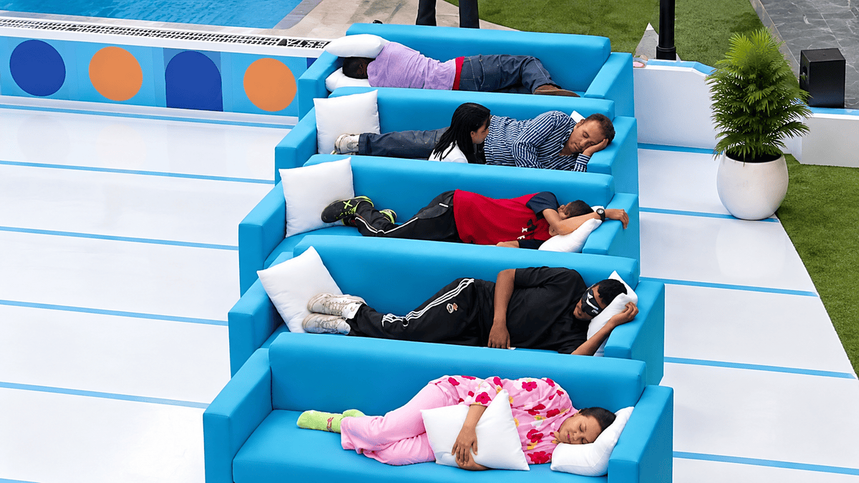
A Japanese mattress company is paying people to sleep, but winning the world’s most unusual competition takes more than just closing your eyes.
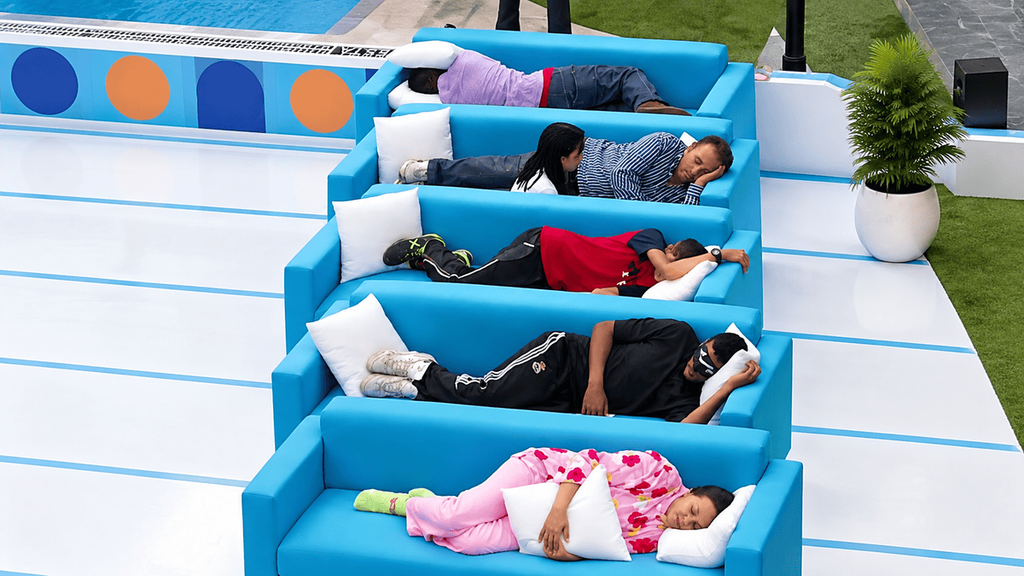
The Tokyo sleep tournament, scheduled for October, will pit contestants against each other in a 90-minute napping showdown, with the top performer walking away with 2.22 million yen as the prize. The event will be held at Share Green Minami Aoyama in the Japanese capital.
Organizers say the competition is not a gimmick. The tournament is designed to spotlight Japan’s chronic sleep deprivation problem, a crisis so severe that the country ranks among the worst in the world for average nightly sleep duration.
Sleep Tournament Rules: No All-Nighters, No Sleeping Pills
Every contestant will wear a sleep-tracking device throughout the 90-minute session. Medical staff will monitor four criteria in real time: how deep the sleep is, its overall quality, how stable it remains, and how quickly each participant drifts off after lying down.
Before the napping session begins, contestants must complete a set of pre-sleep exercises. They cannot simply walk in, hit the pillow, and start competing.
Each participant will also be handed a randomly assigned sleep item at the start of their session. Organizers have not disclosed what these items are, but the random selection is meant to level the playing field and add an unpredictable element to the contest.
The rules against cheating are detailed. Contestants cannot deliberately stay up the night before to crash-sleep their way to victory. Sleeping pills and any other sleep-inducing medication are banned outright. Show up visibly sleep-deprived to gain an edge, and you are disqualified.
Organizers have also warned that each session may include deliberate sleep disturbances and unexpected distractions introduced to test whether contestants can hold their sleep quality under pressure.
Special Awards for Deep Sleep and Unusual Sleeping Positions
Beyond the main prize, the tournament will hand out several category awards. The Deep Sleep Dive Award goes to whoever records the most impressive sleep depth. Another prize, the Sleep-Turning Acrobat Award, will recognize contestants who manage to sustain quality sleep while lying in unusual or awkward positions.
Three separate competition sessions are planned on the day. For each session, approximately 20 contestants will be selected through a lottery system. Participation is free, and applications were open until mid-September.
Medical staff will review all tracking data after each session before announcing results, ensuring the judging process is clinical rather than subjective.
Why Is Japan Turning Sleep Into a Sport?
The sleep tournament is a direct response to one of Japan’s most persistent public health challenges. Despite being a global economic powerhouse, Japan’s workforce is chronically understaffed. Long working hours, high-pressure commutes, and cultural expectations around productivity have made insufficient sleep a near-universal complaint among Japanese adults.
By framing rest as a competition worth millions of yen, the mattress company behind the event is betting that the spectacle will do what public health messaging has failed to do, get people talking about sleep.
Japan is not alone in using competition to push the conversation. Earlier this year, China hosted an outdoor sleeping event that also offered cash prizes, drawing widespread attention to rest as a public health concern rather than a personal luxury.
The Tokyo event, however, goes further in structure, stakes, and scientific measurement. With medical staff, biometric tracking, and a prize pot that converts to over one million naira at current rates, the organizers are positioning this as a serious contest with a serious message.
Registration has now closed, and lottery selections are underway. The competition takes place in October at the Minami Aoyama venue in Tokyo.
Whether the winner sleeps their way to the top or gets knocked out by a carefully timed disturbance, one thing is settled: Japan has found a way to make the world pay attention to its sleep problem, one nap at a time.