Kano State Government has unveiled its Integrated Rural and Sustainable Community Development Plan (2026–2030), a five-year roadmap designed to place rural communities at the centre of development planning.
The Kano State Commissioner for Rural and Community Development, Alhaji Abdulkadir Abdulsalam, disclosed this on Wednesday at the Kano State Rural and Sustainable Community Development Summit (RUSCODS 2026) held at the Coronation Hall, Government House, Kano.
He said the plan was developed to address longstanding developmental challenges facing rural communities through evidence-based and community-driven interventions.
“The Kano State Integrated Rural and Sustainable Community Development Plan (2026–2030) is designed to change that narrative,” the commissioner said.
“It provides a comprehensive five-year framework that places rural communities at the centre of development planning.
“The plan is built on community-driven and data-based evidence to ensure that projects, policies and investments are aligned with the real needs of the people while promoting transparency, accountability and measurable results.”
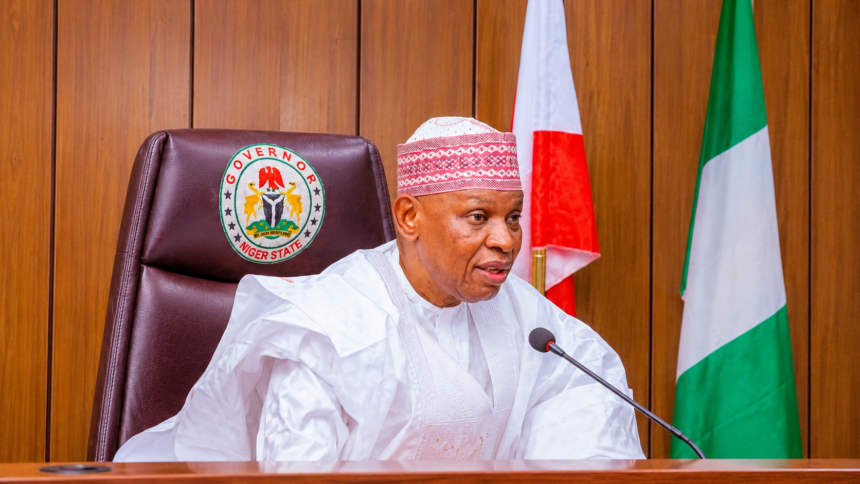
Also speaking at the summit, the Deputy Governor of Kano State, Alhaji Murtala Sule Garo, reaffirmed Governor Abba Kabir Yusuf’s commitment to accelerating rural development through strategic partnerships with development partners, the private sector, traditional institutions and local communities.
Representing the governor, Garo said the administration recognised that sustainable development could only be achieved through collective efforts.
“Our administration is determined to ensure that no community is left behind. Government alone cannot deliver sustainable development,” he said.
“Lasting progress depends on constructive collaboration among all those who share a genuine interest in the advancement of our communities.”
Speaking on the theme, ‘The Pathway for Partnership Towards Sustainable Rural and Community Development in Kano State,’ Garo commended the organisers and the Ministry of Rural and Community Development for bringing together stakeholders to discuss the future of rural communities.
According to him, the prosperity of Kano State is closely tied to the productivity of its rural communities, where agriculture, commerce and small-scale businesses remain the major sources of livelihood.
He acknowledged the numerous challenges confronting rural communities, stressing that stronger collaboration among government, financial institutions, civil society organisations and development partners was essential to addressing them.
The deputy governor highlighted the state’s investments in rural roads, potable water supply, electrification, healthcare, education, agriculture, youth empowerment and climate-smart initiatives aimed at improving livelihoods and expanding economic opportunities.
“We shall continue to welcome every genuine partnership that contributes to the welfare of our people and the progress of our state,” Garo added.
Earlier, the Emir of Karaye, Alhaji Muhammad Muhammad Maharaz, who spoke on behalf of the Emirs of Kano, Rano and Gaya, described the summit as an opportunity to develop practical solutions to the challenges facing rural communities.
“This summit provides us with an opportunity to reflect deeply on the plight and living conditions of our rural communities,” the emir said.
“It is a platform to unite our ideas and develop practical solutions to improve the lives of our rural population.
“We must critically examine both traditional and modern approaches that can accelerate rural development and adopt practical and sustainable strategies that will have a lasting impact.”
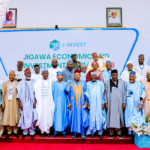
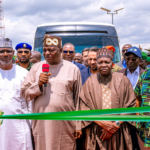
The summit featured the formal unveiling of the Kano State Integrated Rural and Sustainable Community Development Plan (2026–2030), goodwill messages from stakeholders, presentation of awards and certificates of honour, and a group photograph.